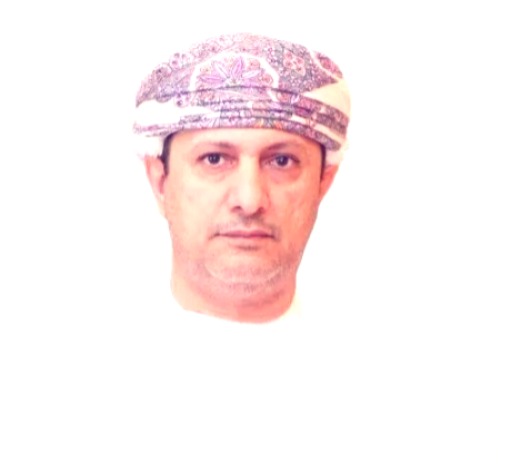
Oman Approves 2026 Fiscal Budget Aiming 4% GDP Growth Till 2030.

Muscat; January 2026: Oman has approved its national budget for 2026 and launched the next phase of its economic programme that aims for 04% growth through 2030, as the sultanate continues to diversify from its reliance on oil.
Revenue for this year’s budget is projected at 11.45 billion Omani rials ($29.8 billion), up 2.4% from last year and based on oil prices of about $60 per barrel, the Oman News Agency said on Thursday. The Total public spending is pegged at about 12 billion rials, a 1.5% annual increase.
A budget deficit of 530 million rials is expected, which is a 14.5% drop from last year, and equivalent to 4.6% of total estimated revenue and 1.3% of Oman’s projected gross domestic product. The budget was announced alongside the launch of the country’s 11th five-year development plan that will run through 2030, which is the next phase of Oman’s Vision 2040 economic strategy.

A key aspect between the budget and the plan is dedicated funding for economic transformation projects, which amounts to 400 million rials a year, Oman’s Finance Minister Sultan bin Salem said.
The plan commits to fiscal sustainability, maintaining public debt within “prudent” limits, diversifying non-oil revenue sources, advancing social development and creating jobs. It is designed to foster a diversified, competitive and sustainable national economy while guiding a measured transition towards a low-carbon economic model. The plan has established a target for average annual economic growth of approximately 04% over its duration”, he said.
Inflation would be maintained at a “secure” level of 1.4% in 2026, while GDP growth is ultimately being planned to be raised at 05%, said Nasser bin Rashid, undersecretary of Oman’s Ministry of Economy.
In the previous phase of the development plan, Oman’s budget generated an additional 11.29 billion rials in revenue from 2021 to last year, which the government attributed to higher global oil prices during the period.
“The 2026 budget aims to bolster financial, economic and social stability while enhancing resilience against future challenges, with a focus on fiscal sustainability and economic diversification”, Mr bin Rashid said.
Oman, a member of Opec+, is one of the smaller oil producers in the Gulf that, much like its neighbours, continues to diversify its economy away from crude dependence. The oil industry plays a key role in Oman’s modern and expansive infrastructure, including electric utilities, roads, public education and medical services, according to the US International Trade Administration.
Net oil revenue, however, would still account for about half of Oman’s total estimated revenue for 2026, with non-oil revenue comprising 33% and net gas revenue making up 17%, Mr bin Rashid said.
“Investment expenditures are designated for economic transformation projects aimed at stimulating economic growth”, he said.
Separately, the Ministry of Labour said that new jobs for Omani nationals hit 51,482 last year, a 114% annual increase that also exceeded the target of 45,000. The “reflects the level of integration between various government entities and the private sector in supporting the national employment system”, the ministry said.
Last year, Oman said it will be introducing personal income tax from 2028, which is a significant milestone in the sultanate’s push to achieve its economic diversification goals. Analysts, however, had said the tax ratio remains low to reduce burden on the population.
Why is Oman Imposing Income Tax From 2028 –
Oman’s move to introduce personal income tax from 2028 is a significant milestone in the Sultanate’s push to achieve its economic diversification goals, although the tax ratio remains low to reduce burden on the population, analysts have said.
The Personal Income Tax Law was introduced on 22nd June, 2025 through royal decree. It imposes a 05% tax on annual income exceeding 42,000 Omani rials ($109,236), Oman News Agency said, citing the country’s tax authority. The law, which will come into effect at the beginning of 2028, will levy tax on income derived from “specific income types as defined by the law”.
The Tax Authority said the new law was in line with Oman’s economic and social conditions and contributes to the objectives of Oman Vision 2040 to cut reliance on revenue generated from the sale of hydrocarbons. As envisaged, the introduction of income tax is another signal that a country has achieved a mature economic position.
With a high exemption threshold, the tax policy is designed to impact only senior professionals, business executives and high-income expatriates. This will ensure minimal disruption to the middle class and avoids undermining consumer sentiments. The law is a precedent, setting Oman as the first GCC country to impose income taxes on its citizens.
Oman, like its peers in the Gulf, is trying to diversify its economy away from oil. Tourism and agriculture are among sources of economic activity outside of the oil and gas sector, which accounts for about 70% of the government revenue.
Under its economic and social reforms programme, the sultanate aims to reduce its dependence on oil income by 15% of its gross domestic product by 2030 and further reduce it by 18% by 2040.
Oman’s economy is set to expand at a faster pace over the medium term, with overall GDP growth projected at 2.4% in 2025 and 3.7% in 2026, according to the International Monetary Fund.
Team Maverick.








Senior IAS Officer Anurag Jain Appointed CEO of NITI Aayog for Two-Year Term
New Delhi, July 2026 : The Union Government on Wednesday appointed senior IAS officer Anur…
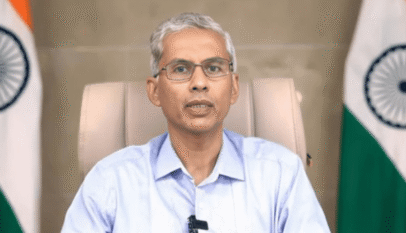
Senior IAS Officer Anurag Jain Appointed CEO of NITI Aayog for Two-Year Term
New Delhi, July 2026 : The Union Government on Wednesday appointed senior IAS officer …