Chhattisgarh: A Remarkable Journey from Naxal Shadow to Tourism Hub

New avenues of development opening up under the policies of the Vishnudev Sai government
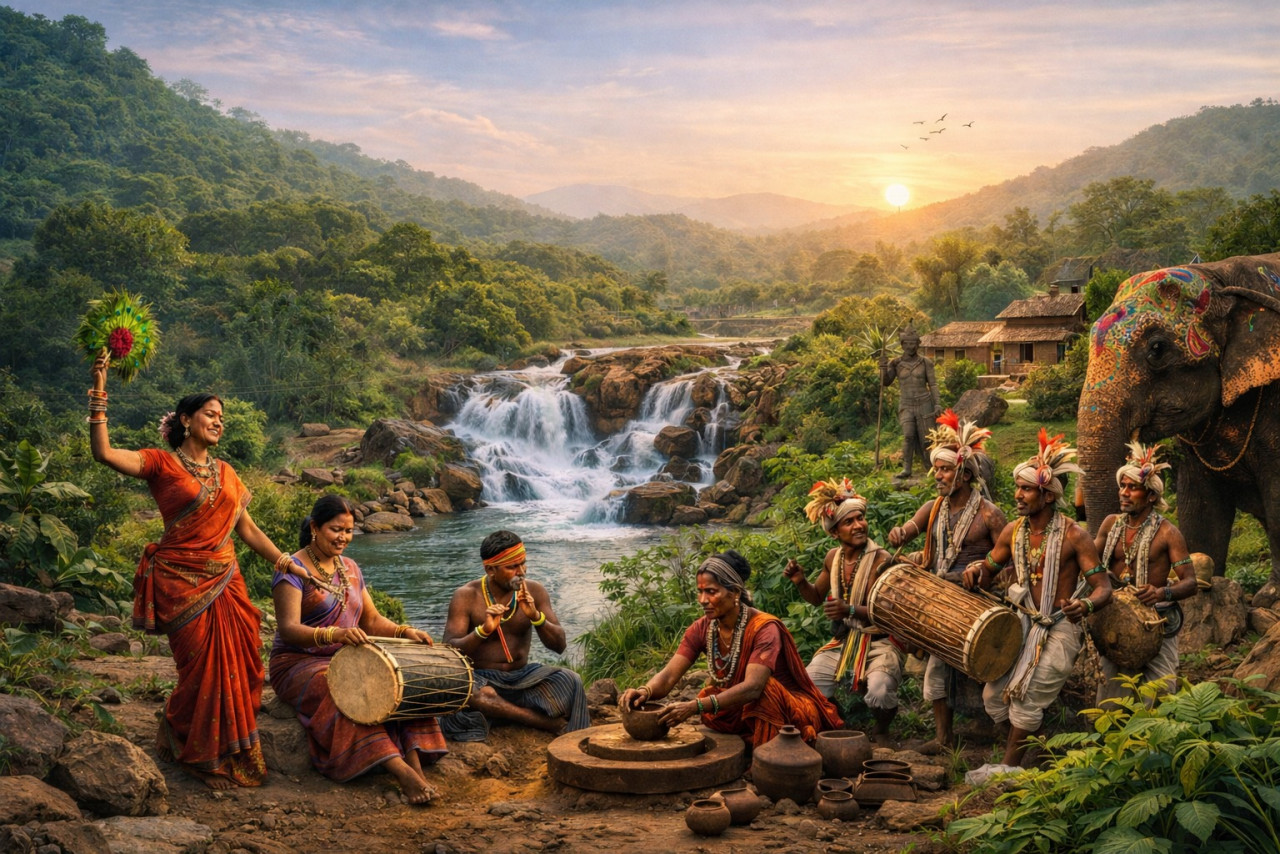
Raipur, February 2026 : Once known primarily for its image as a Naxal-affected state, Chhattisgarh is now rapidly carving out a new identity as one of India’s emerging tourism hubs. Blessed with breathtaking natural beauty, an ancient heritage, and a vibrant tribal culture, the state is increasingly attracting national and international tourists, driven by progressive policies and focused infrastructure development.
The state government has placed top priority on security, connectivity, and tourism infrastructure. Under the new Industrial Policy 2024–30, tourism has been accorded industry status, enabling investors to avail subsidies, tax exemptions, and other incentives. As a result, investment proposals worth several crores of rupees have been received for eco-ethnic and adventure tourism projects across the state.
The Bastar region, in particular, is renowned for its rich and living traditions. The lifestyles of the Gond, Muria, Halba, and Baiga tribes, along with their traditional cuisine, handicrafts, and folk dances, hold special appeal for visitors. Folk art forms such as Panthi, Raut Nacha, Suva, and Karma have become defining symbols of Chhattisgarh’s cultural identity.
Natural, historical, and religious destinations across the state are fast emerging as tourist favourites. Chhattisgarh’s diversity continues to draw travellers from within the country and abroad. The iconic Chitrakote Waterfall, often referred to as the “Niagara of Asia,” is a hotspot for adventure enthusiasts. Madheshwar Mountain in Jashpur is home to what is believed to be the world’s largest natural Shiva Lingam, attracting pilgrims and nature lovers alike. The mysterious Kutumsar Caves offer a thrilling adventure experience, while Ramgarh’s ancient theatre stands as a living symbol of religious heritage associated with Lord Ram’s exile. Dongargarh, with the revered Maa Bamleshwari temple, has emerged as a major centre of religious tourism. All these sites are being further enriched through the state government’s focused development initiatives.
Adding to this global recognition, Dhudmaras village, selected by the UNWTO as one of the best tourism villages, has brought Chhattisgarh’s tribal culture onto the world stage.
To support growing tourist footfall, infrastructure such as roads, lighting, security arrangements, and visitor amenities is being expanded around major destinations. With these initiatives, tourism in Chhattisgarh is no longer limited to leisure travel alone; it has evolved into a significant source of local employment. Home-stays, handicrafts, local cuisine, and guide services are generating sustainable livelihoods in rural and tribal areas.
In the coming years, Chhattisgarh has the potential to emerge as one of the country’s leading eco-cultural tourism states. Moving decisively beyond its earlier Naxal-affected image, the state is shaping a fresh identity rooted in tourism and inclusive development, and is clearly seen taking a confident leap towards a new future.
Mamata Banerjee Targets Centre, BJP Over Malda Violence, Urges Protection of Voters’ Rights
Kolkata, April 2026 : West Bengal Chief Minister and Trinamool Congress (TMC) supremo Mama…
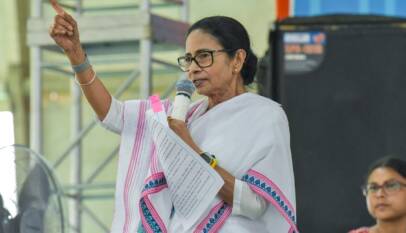
Mamata Banerjee Targets Centre, BJP Over Malda Violence, Urges Protection of Voters’ Rights
Kolkata, April 2026 : West Bengal Chief Minister and Trinamool Congress (TMC) supremo Mamata …