Four Years of War, No End in Sight: Ukraine Conflict Continues to Shake the World

United Nations, Feb 2026 : The war in Ukraine entered its fourth year on Tuesday, with no clear pathway to peace and mounting human, political and economic costs that extend far beyond Eastern Europe. What began on February 24, 2022, as a rapid military campaign by Russia has evolved into one of the most prolonged and destabilising conflicts of the 21st century, reshaping global geopolitics, disrupting international trade, and testing the limits of diplomacy.
Marking the grim anniversary, United Nations Secretary-General Antonio Guterres described the war as “a stain on our collective consciousness” and warned that it continues to pose a serious threat to both regional and international peace and security. His remarks echoed a growing sense of frustration within the international community over the inability to halt the fighting or even meaningfully de-escalate it.
A Heavy Human Toll
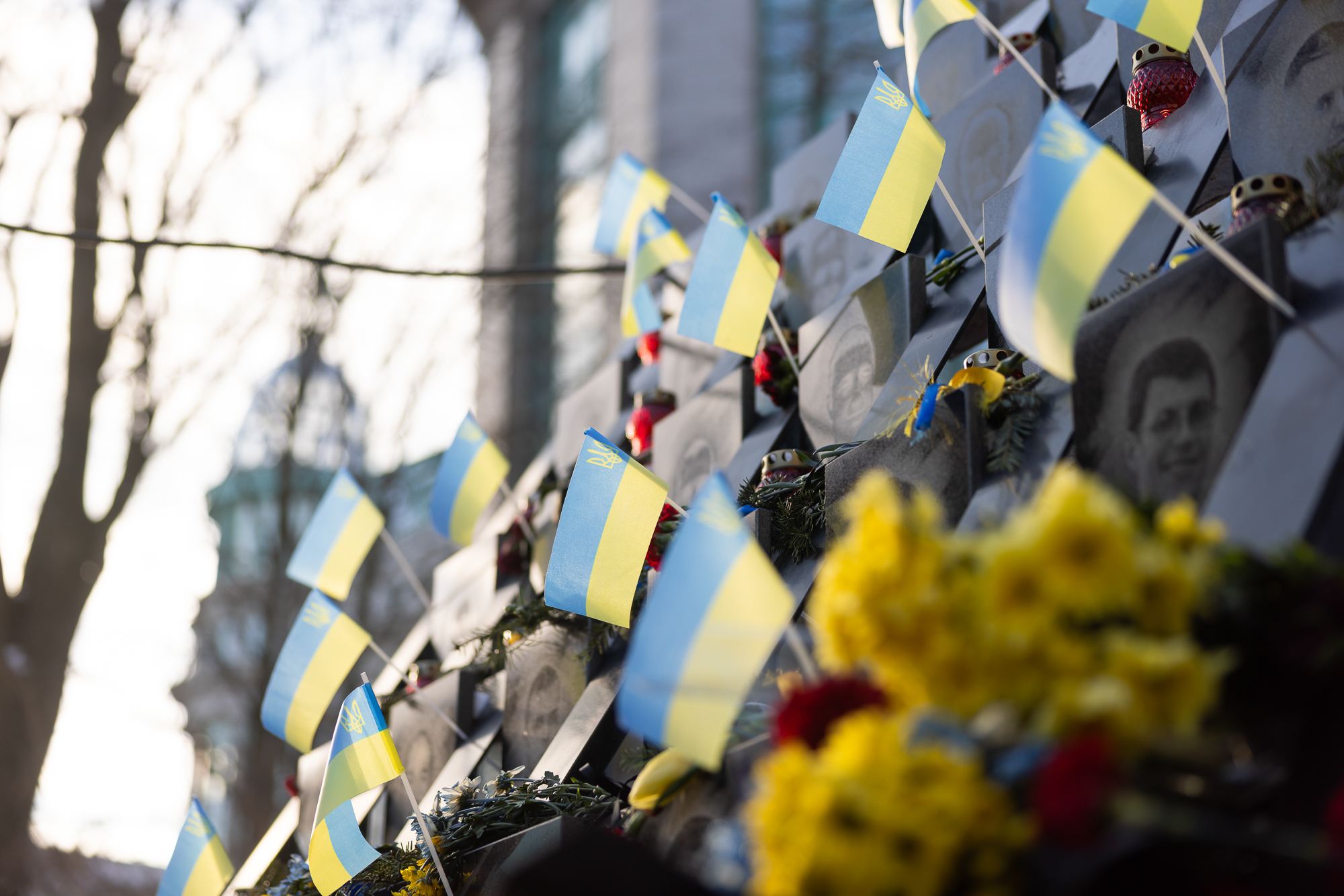
The humanitarian impact of the conflict has been devastating. According to UN estimates, more than 15,000 Ukrainian civilians have been killed since the war began, while at least 41,000 others have been injured. Children have been among the hardest hit, with around 3,200 casualties recorded, including nearly 660 fatalities. The conflict has also uprooted daily life on a massive scale, with roughly one-third of Ukraine’s children displaced either within the country or forced to flee abroad.
Beyond civilian suffering, the war has exacted an enormous toll on military personnel. International think tanks estimate that around 325,000 Russian troops and 140,000 Ukrainian troops have been killed over the past four years, underscoring the brutal attrition that has come to define the conflict.
Stalemate on the Battlefield
Despite relentless fighting, the war has settled into a near stalemate. Russian and Ukrainian forces remain locked along heavily fortified frontlines, particularly in eastern and southern Ukraine. Kyiv has managed limited air and ground incursions into Russian territory, but these have not significantly altered the balance of power on the ground.
Russia currently controls roughly 20 per cent of Ukrainian territory, including large parts of the Donbas region and the southern corridor linking Crimea to mainland Russia. While Moscow holds a slight military advantage, it has fallen far short of its original objective: a swift and decisive victory.
When Russian President Vladimir Putin launched the invasion in 2022, he appeared to anticipate a rapid collapse of Ukrainian resistance. Ukraine, with a population less than one-third that of Russia, a far smaller economy and a comparatively weaker military, was expected to fall quickly. Instead, Ukrainian forces mounted fierce resistance, supported by unprecedented Western military and financial assistance.
Ukrainian President Volodymyr Zelensky, in a post on X on Tuesday, struck a defiant tone, declaring: “We have defended our independence, we have not lost our statehood; Putin has not achieved his goals.”
Global Ripples and Strategic Shifts
The invasion shattered the post-Cold War security architecture in Europe and reignited fears among Russia’s smaller neighbours, particularly former Soviet states. Countries such as Germany, France and Britain have been forced to reassess their defence postures, ramp up military spending and rethink long-standing assumptions about European security.
Ukraine has been backed by a group of Western nations often described as a “Coalition of the Willing,” providing weapons, intelligence and financial aid, though stopping short of direct military involvement. On Tuesday, several European leaders travelled to Kyiv to demonstrate continued solidarity with Ukraine.
The financial cost of this support has been staggering. The United States has committed approximately $175 billion to Ukraine since the war began, while the European Union has pledged around $230 billion. However, political unity behind this assistance has shown signs of strain.
Diplomatic Deadlock
The United Nations has been largely paralysed in efforts to end the war. The UN Security Council, the only body empowered to take binding action, has been unable to act due to Russia’s veto power as a permanent member. Meanwhile, resolutions passed by the General Assembly condemning the invasion and calling for Russian withdrawal have had no enforcement mechanism.
The Council was scheduled to meet again on Tuesday afternoon to discuss the conflict, though expectations were low, with many diplomats anticipating a repetition of entrenched positions rather than any breakthrough.
The UN’s most tangible success has been facilitating the export of Ukrainian grain to global markets, helping to ease food shortages that hit developing countries—particularly in Africa—the hardest.
Uncertain Path to Peace
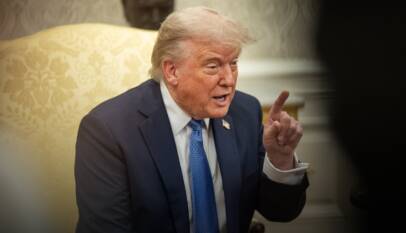
Former US President Donald Trump, now back in the White House, had famously claimed during his election campaign that he could end the war within 24 hours. More than a year into his new term, the conflict continues. In October, Trump admitted, “I thought this would have been an easy one to settle.”
Despite a failed summit with Putin in Alaska last year, Trump has not abandoned diplomatic efforts. His administration has continued indirect negotiations through intermediaries. Following talks in Geneva last week, White House spokesperson Karoline Leavitt said there had been “meaningful progress,” with both sides agreeing to keep working toward a peace deal. Trump had earlier claimed in December that an agreement was “95 per cent” complete.
However, US Secretary of State Antony Blinken, speaking at the Munich Security Conference, cautioned that negotiations were now focused on “the hardest questions to answer.”
Core Disputes Remain
Those questions revolve around territory and sovereignty. Russia is demanding that Ukraine formally cede territory, including areas in the Donbas that Moscow has not fully captured, as well as recognise Russia’s annexation of Crimea, seized in 2014. Control of the Zaporizhzhia nuclear power plant, currently held by Russian forces, is another major sticking point.
Ukraine has flatly rejected any territorial concessions. Its constitution requires a nationwide referendum to approve any transfer of land, making compromise politically and legally fraught.
As the war grinds on into its fifth year, the gap between battlefield realities and diplomatic ambitions remains wide. With no decisive military victory in sight and negotiations stalled on fundamental issues, the Ukraine conflict continues to stand as one of the most complex and consequential crises of the modern era—its end as elusive as ever.
(The content of this article is sourced from a news agency and has not been edited by the Mavericknews30 team.)



Israel Rejects Gaza Disarmament Plan, Says IDF Will Stay Until Hamas Fully Disarmed
Jerusalem, July 2026 : Israel has reiterated its strong opposition to the US-backed plan f…
Israel Rejects Gaza Disarmament Plan, Says IDF Will Stay Until Hamas Fully Disarmed
Jerusalem, July 2026 : Israel has reiterated its strong opposition to the US-backed plan …