US Sends Vice President Vance to Pakistan for Crucial Iran Talks After Fragile Ceasefire

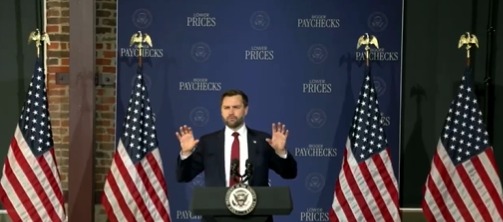
Washington, April 2026 : The United States is moving into a critical diplomatic phase with Iran, as President Donald Trump has decided to dispatch Vice President J. D. Vance to Pakistan to lead high-level negotiations aimed at securing a long-term settlement following a fragile ceasefire.
The announcement signals a shift from military confrontation to diplomatic engagement after weeks of intense conflict. The White House confirmed that a senior delegation, led by Vance and including Special Envoy Steve Witkoff and senior adviser Jared Kushner, will travel to Islamabad for the first round of talks scheduled this weekend.
White House Press Secretary Karoline Leavitt stated that the negotiations would begin on Saturday, expressing optimism about in-person discussions. “We look forward to these meetings,” she said, emphasizing the importance of direct engagement in stabilising the situation.
The diplomatic outreach follows a two-week ceasefire announced by President Trump after what the administration described as a decisive military campaign against Iran under Operation Epic Fury. According to US officials, the operation significantly weakened Iran’s defence systems, missile capabilities, and naval strength, creating leverage for negotiations.
Leavitt characterised the development as a strategic victory for Washington. She said the military pressure applied during the campaign forced Tehran to agree to a ceasefire and reopen the strategically vital Strait of Hormuz, a key artery for global oil shipments and international trade.
However, the ceasefire remains conditional and delicate. The US has made it clear that Iran must ensure the “free, safe, and immediate reopening” of the Strait of Hormuz, with American forces continuing to monitor compliance closely. Officials have acknowledged that ceasefires are inherently unstable, particularly given the disruption to Iran’s command and control structures during the conflict.
The upcoming talks in Islamabad are expected to address several contentious issues, most notably Iran’s nuclear programme. Washington has reiterated that ending uranium enrichment within Iran remains a non-negotiable red line in any future agreement.
Leavitt noted that there are early signs of engagement from Tehran on sensitive matters, including discussions around highly enriched uranium. While this has raised cautious optimism, US officials remain guarded about the prospects of a comprehensive deal.
The diplomatic push also reflects broader geopolitical coordination. The White House confirmed that high-level discussions have taken place between US officials and China, indicating parallel efforts among major global powers to stabilise the region and prevent further escalation.
Despite the optimism surrounding the talks, US officials continue to stress that the situation remains fluid. The fragile nature of the ceasefire, combined with internal dynamics within Iran and lingering mistrust between the two sides, presents significant challenges.
As Vice President Vance prepares to lead negotiations, the coming days are expected to be crucial in determining whether the current pause in hostilities can evolve into a sustainable peace framework or collapse under renewed tensions.
(The content of this article is sourced from a news agency and has not been edited by the Mavericknews30 team.)

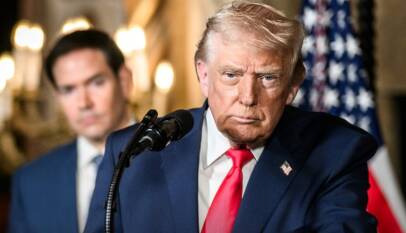




Trump Declares Strait of Hormuz Reopened Under US Protection, Imposes Full Blockade on Iranian Shipping
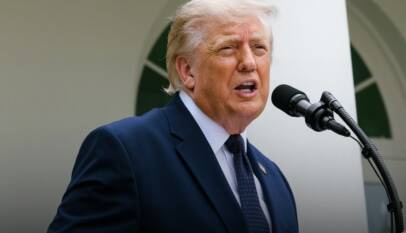
Washington, July 2026 : US President Donald Trump on Tuesday announced that the Strait of …
Trump Declares Strait of Hormuz Reopened Under US Protection, Imposes Full Blockade on Iranian Shipping
Washington, July 2026 : US President Donald Trump on Tuesday announced that the Strait …