Pakistan Emerges as Key Back-Channel in US-Iran Ceasefire Efforts

Washington, April 2026 : Pakistan played a crucial behind-the-scenes role in facilitating communication between the United States and Iran during negotiations over a temporary ceasefire, according to a report by Financial Times. The development highlights Islamabad’s growing, though sometimes contentious, role in sensitive diplomatic channels.
For several weeks, the administration of Donald Trump relied on Pakistan to help persuade Tehran to accept a pause in hostilities linked to reopening the Strait of Hormuz, a vital global shipping route. Pakistan’s position as a Muslim-majority neighbour of Iran was seen as an advantage in making US-backed proposals more acceptable to Tehran.
The diplomatic effort was spearheaded by Pakistan’s army chief Asim Munir, who maintained close coordination with senior US officials. As negotiations intensified, Munir reportedly held direct conversations with Trump, Vice President J. D. Vance, and special envoy Steve Witkoff.
Pakistani officials acted as intermediaries, shuttling proposals between Washington and Tehran. Islamabad conveyed a US-drafted 15-point framework to Iran and relayed Tehran’s responses, which included revised five-point and ten-point counter-proposals. Diplomats indicated that Iran gradually showed willingness to consider limitations on aspects of its nuclear programme, but only after sustained back-channel engagement.
The diplomatic push eventually led to the announcement of a two-week ceasefire involving the US, Iran, and Israel. This breakthrough came even as Trump publicly maintained a hardline stance, warning of severe consequences if Iran failed to comply with US demands.
A separate report by The New York Times suggested that Pakistan’s public messaging during the crisis was closely aligned with Washington’s strategy. According to the report, a social media appeal by Shehbaz Sharif seeking an extension of Trump’s deadline was reviewed and cleared by the White House before being posted.
The message, which described diplomatic progress as “steady and strong,” was aimed at creating space for negotiations as the deadline approached. The reported coordination indicates a deeper level of cooperation between Islamabad and Washington than was publicly acknowledged at the time.
These developments underscore Pakistan’s evolving role as a diplomatic intermediary in high-stakes geopolitical crises, even as questions remain about the long-term sustainability and transparency of such back-channel engagements.
(The content of this article is sourced from a news agency and has not been edited by the Mavericknews30 team.)



As Israel Drew First Blood; Hezbollah Retaliated Vowing To End The Israel-US Aggressions.
Beirut; April 2026: Lebanon’s Hezbollah resistance movement has unleashed a rocket b…
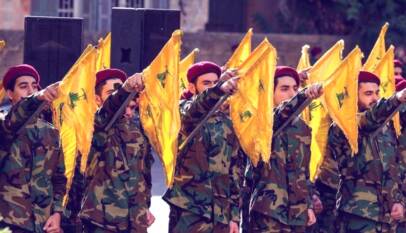
As Israel Drew First Blood; Hezbollah Retaliated Vowing To End The Israel-US Aggressions.
Beirut; April 2026: Lebanon’s Hezbollah resistance movement has unleashed a rocket barrage towards an …