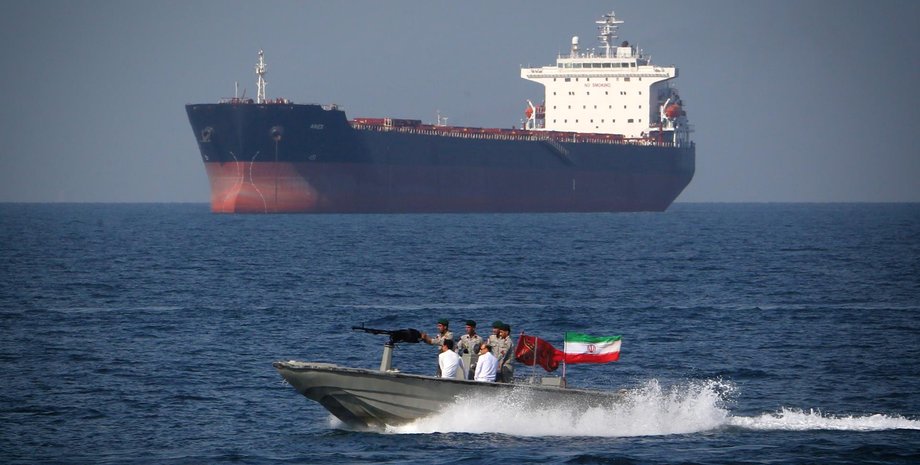
Global Oil Markets on Edge as US-Iran Tensions Threaten Supply Lines

New Delhi, April 14 : Escalating tensions between the United States and Iran have begun to rattle global energy markets, with reports suggesting that a US military blockade of Iranian ports could significantly disrupt oil supplies worldwide. Analysts estimate that nearly two million barrels per day (mbpd) of Iranian crude could be pushed out of global markets, tightening supply and driving up petroleum prices.
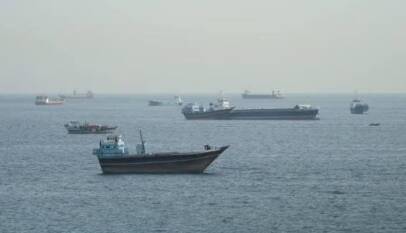
The situation has raised serious concerns for major energy-importing nations, including India, particularly regarding the security of supplies through the strategically vital Strait of Hormuz. The narrow shipping route handles a substantial portion of the world’s oil and gas transit, making it a critical chokepoint in global trade.
According to Bineet Banka, an analyst at Nomura, a complete blockade of the Strait of Hormuz could also impact India’s liquefied petroleum gas (LPG) imports. Over the past month, at least eight LPG tankers bound for India successfully navigated the strait, highlighting its importance in maintaining steady energy supplies.
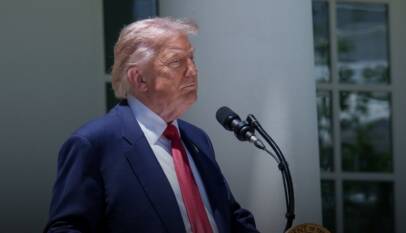
Adding to the uncertainty, US President Donald Trump has declared that the United States will not permit ships to pay tolls to Iran for passage through the Strait of Hormuz. While India has reportedly not paid such tolls for its LPG shipments, the evolving geopolitical situation leaves future maritime operations uncertain.
Nomura has warned that prolonged conflict could reduce the effectiveness of mitigating measures such as Strategic Petroleum Reserves (SPR). As disruptions persist, these reserves may prove insufficient to balance supply shortages, leading to sustained upward pressure on oil prices.
Meanwhile, diplomatic efforts appear to be at a standstill. Recent talks held in Islamabad, led by US Vice President JD Vance, failed to produce a breakthrough, further intensifying market anxieties. However, reports indicate that both sides may consider another round of negotiations in the near future.
Oil markets have already responded sharply to the uncertainty. Crude prices surged to $107 per barrel on Monday before easing slightly below $100 on Tuesday amid renewed hopes for dialogue. Over the past week, Brent crude has climbed approximately 6.5 percent, nearing the $98 per barrel mark. Analysts attribute this rise partly to an increased “war risk premium” being factored into prices.
The potential for a complete shutdown of the Strait of Hormuz has heightened fears of further supply disruptions. Nomura suggests that if such a scenario materializes, the global oil market could face severe strain, pushing prices even higher.
Amid the turmoil, Saudi Arabia has managed to offset some losses by leveraging its East-West pipeline, which bypasses the Strait of Hormuz and connects to the Red Sea. Reports indicate that the country has reached full operational capacity of around 7 mbpd on this route, potentially allowing it to increase exports despite regional instability.
The United Arab Emirates has also shown relative resilience, recording only a modest decline in oil revenues compared to other Gulf nations.
Interestingly, Iran itself has emerged as a major beneficiary in terms of revenue growth. Despite the conflict, its oil earnings reportedly surged by 36 percent year-on-year in March 2026, reaching approximately $5.7 billion, underscoring the complex dynamics of the ongoing geopolitical crisis.
As tensions continue to simmer, global markets remain on edge, with the future of energy supplies and prices hinging heavily on the next moves by Washington and Tehran.




World Cup Heavyweights England and Argentina Set for Blockbuster Semi-final Showdown
Atlanta, July 2026 : The stage is set for one of the biggest matches of the 2026 FIFA Worl…

World Cup Heavyweights England and Argentina Set for Blockbuster Semi-final Showdown
Atlanta, July 2026 : The stage is set for one of the biggest matches …