India and Pakistan’s Kashmir Fallout Hits Economy Too

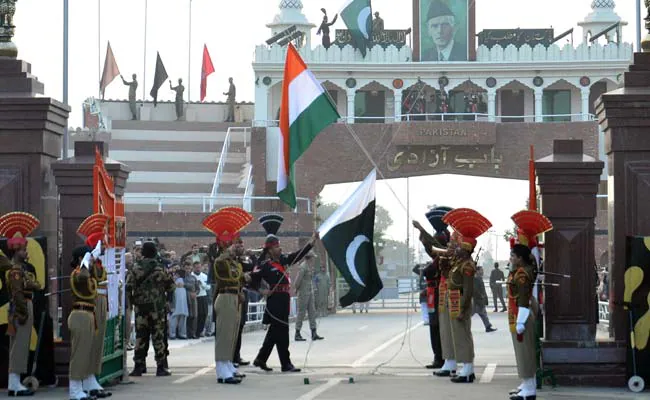
Tensions between India and Pakistan have escalated sharply following a deadly incident in Kashmir, sparking diplomatic backlash and triggering subtle yet concerning economic repercussions for both countries.
The catalyst was a brutal attack in Indian-administered Kashmir that left 26 civilians dead on Tuesday — the deadliest such incident in the region in 25 years. The tragedy has ignited widespread outrage across India and pushed already fragile bilateral relations to a new low.
In response, India accused Pakistan of supporting cross-border terrorism and announced a string of largely symbolic diplomatic actions. Islamabad dismissed the allegations and retaliated with matching measures, but also took more severe steps: it suspended trade with India and shut its airspace to Indian carriers.
While analysts suggest the immediate economic fallout is limited, they caution that the longer-term consequences could be more burdensome, particularly in the aviation and pharmaceutical sectors.
Airspace Ban to Hit Indian Airlines
Pakistan’s decision to close its airspace is expected to have a direct impact on Indian flight routes to Central Asia, Europe, and North America, forcing airlines to take longer detours.
“Flights will now take an average of one to two hours longer depending on the destination,” said Sanjay Lazar, CEO of Avialaz Consultants and an aviation expert. This change, he explained, will lead to increased fuel consumption and possibly additional stops, raising operational costs significantly.
The most affected airline is expected to be Air India, now owned by the Tata Group, which operates many long-haul routes over Pakistani airspace. The airline has already announced adjustments to routes for flights to North America, Europe, and the Middle East.
“The longer routes mean more fuel burn and added costs for crew and airport landings if additional stops are needed,” Lazar added.
Although airlines are unlikely to raise fares immediately — out of concern for public sentiment — prolonged restrictions could lead to substantial price hikes. Mark D Martin of Martin Consulting predicted fare increases of up to 35% on Middle East routes and over 45% on European routes if the situation continues.
“It’s the aviation sector that gets hit first whenever India and Pakistan clash,” Martin said. “Let’s hope diplomacy prevails soon. Otherwise, airline revenues could take a major hit.”
The precedent is already there: during a similar airspace closure in 2019, after India carried out airstrikes in Pakistan following a deadly Kashmir attack, Indian airlines reported losses amounting to nearly ₹5.5 billion (approximately $64 million) over a five-month period.
Trade Tensions Add to the Strain
Alongside the airspace shutdown, Pakistan also announced a complete halt to bilateral trade with India. While this move is largely symbolic given the limited economic ties between the two, it does carry certain implications.
From April 2024 to January 2025, India exported just under $450 million worth of goods to Pakistan — a mere fraction of its total exports. Pharmaceuticals accounted for over $110 million of that figure, while sugar contributed around $85 million.
On the import side, India’s purchases from Pakistan were negligible — under $0.5 million — and mostly limited to specialty items like dried herbs.
“Direct trade between India and Pakistan has always been minimal due to persistent political tensions,” noted Ajay Srivastava of the Global Trade Research Initiative, a New Delhi-based think tank. “What’s more significant is the informal or third-country trade, which is much higher.”
In fact, indirect trade — goods moving through third countries such as the UAE or Singapore — is estimated to be worth close to $10 billion. This often includes Indian exports like chemicals, pharmaceuticals, and textiles, and Pakistani goods like dry fruits and Himalayan pink salt.
However, Pakistan’s latest directive includes a suspension of trade routed through third countries as well. The precise enforcement and impact of this ban on indirect trade remain unclear, but analysts are watching closely.
“Pakistan reportedly imports many Indian products through alternate routes, and India also sources several niche items from Pakistan in the same manner,” Srivastava said.
A Costly Fallout for Both Sides
While the current measures may seem largely symbolic, experts warn that prolonged disruption — especially in sectors like aviation and essential goods — could deepen the economic costs for both countries.
The Kashmir issue continues to cast a long shadow over India-Pakistan relations, and each flare-up, such as this one, underscores how geopolitical disputes can seep into the economic realm, burdening industries, businesses, and ordinary citizens on both sides of the border.
For now, all eyes remain on whether the diplomatic standoff will cool — or escalate further, taking a greater toll on regional stability and economic cooperation.
Team Maverick.





Tamil Nadu Assembly Polls: Nomination Process Begins with Strict Guidelines
Chennai, March 2026 : The filing of nomination papers for the upcoming Tamil Nadu Assembly…

Tamil Nadu Assembly Polls: Nomination Process Begins with Strict Guidelines
Chennai, March 2026 : The filing of nomination papers for the upcoming Tamil Nadu …