Goods and Service Tax causing a nosedive in the Textiles and Handicrafts Industry.

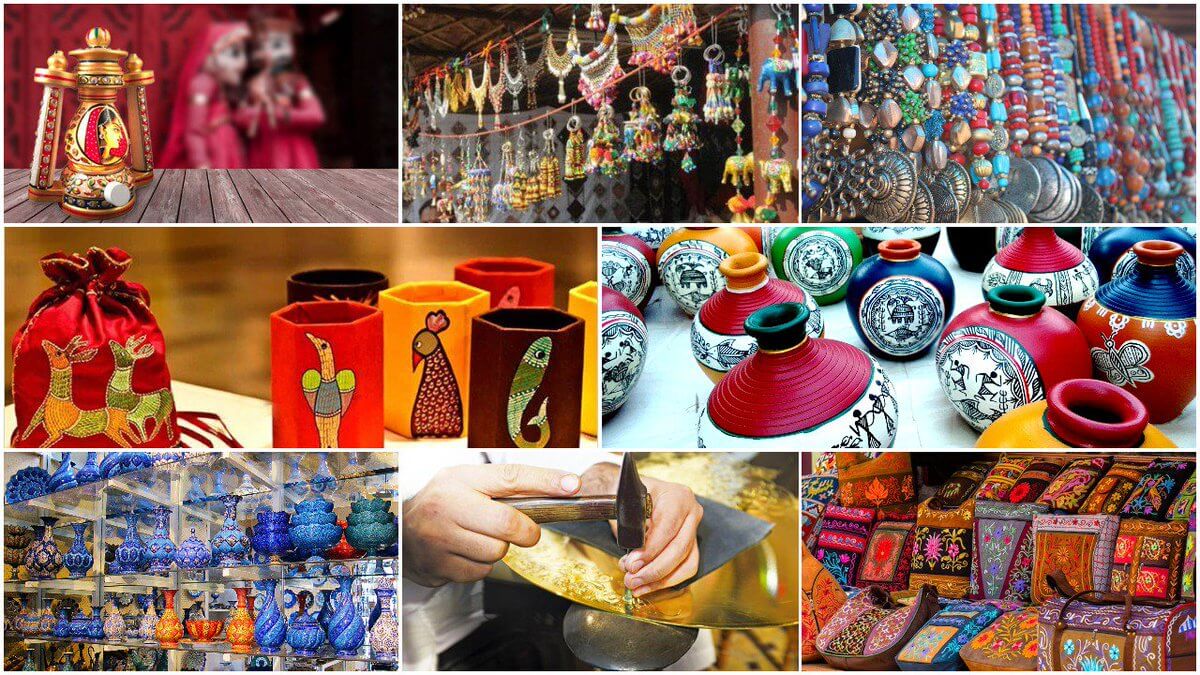
Aug 2025 : India’s handloom and handicrafts economy, employing over 35 lakh weavers and artisans, 72% of them women (according to the 2019–20 Handloom Census) is at the centre of a growing campaign to scrap the Goods and Services Tax (GST).
Meera Goradia, Co-Chair of Creative Dignity, points out, “There is still no proper accounting of artisans and workers in this sector. Without real numbers, their struggles remain invisible in policymaking”. Nearly 1,000 stakeholders—from artisan groups and weaver organisations to social enterprises have written to the Ministry of Finance, the GST Council, and the Ministry of Textiles urging that the tax, introduced in 2017, be rolled back, arguing it has placed an unsustainable burden on a “fragile sector”.
For the first time since gaining independence, Indian artisans are complaining that their labour has been taxed. Cotton yarn is charged with 5% GST, dyeing is taxed between 12% and 18%, and finishing accessories are taxed at 18%. In their letter, the stakeholders highlight that prices of handwoven sarees or dupattas are inflated by the time they reach an exhibition stall, owing to GST, pushing them further out of reach of middle-class customers who form the bedrock of this market.
“I may not cross the Rs. 20 lakh annual turnover to qualify for GST, but every input I buy is taxed. That makes my product more expensive in the market, where it already has to compete with cheaper, machine-made fabrics”, explains Ananthoo, Mentor and Co-founder of the India Handmade Collective and Tula Clothing. The fallout is visible in declining sales. Artisan groups report that sales in some parts of the handloom and craft sector have been down by 20% – 24% in the past year, and middle-class buyers are increasingly turning to cheaper power-loom imitations or mass-produced fast fashion.
“GST has widened the gap between powerloom and handloom”, says Goradia, who is one of the signatories. “The result is that artisans underprice their own work just to survive, often earning less than Rs 5,000 a month”. For artisans, the GST burden is not just about paperwork. Monthly filings, penalties for late submissions, and rising costs for machinery taxed at 18% have pushed smaller enterprises to shut shop, industry stakeholders say in the letter. “Even within textiles, GST from handlooms and handicrafts is minuscule. By letting go of it, the government loses almost nothing. But it would sustain millions of livelihoods in villages and small towns, where the handmade economy is woven into survival. At a time when demand is already falling, GST has made matters worse”, Goradia says.
The collective letter makes three key recommendations: A complete removal of GST on handlooms and handicrafts Scrapping interstate GST, as most artisans depend on exhibitions and retail for direct sales Simplified Harmonised System of Nomenclature (HSN) codes to distinguish genuine handmade goods from machine-made imitations Stakeholders stress that practical solutions exist even for the challenge of identifying genuine handmade goods. “It could be linked to natural materials, handmade processes, or geographical indications”, Goradia suggests.
The breadth of this coalition is significant. “For perhaps the first time, everyone across the sector has spoken in one voice. Artisans, weaver groups, social enterprises—everyone agrees: there should be no GST on handmades”, she notes. At its heart, the campaign is not simply about economics, but about dignity. “Industrial products are subsidised, protected, and promoted”, says Ananthoo. “Handmade products are sustainable, low-carbon, and rooted in culture, but they are taxed into unviability. The playing field is skewed against the very people we call custodians of our heritage”.
Despite being promoted as part of the “Make in India” initiative and celebrated each year on National Handloom Day, the sector receives less than 1% of the subsidies allocated to other pollution causing industries, allege the petitioners. Artisans fear that without urgent tax relief, younger generations will abandon handloom work altogether, accelerating the decline of one of the world’s largest reservoirs of handmade textiles and crafts. “Handmade is not a luxury—it is livelihoods for millions”, says Goradia. “If the government truly believes in rural employment and sustainable growth, then letting go of a tax that barely adds to the exchequer is the most sensible step forward“.
Team Maverick

Pope Leo XIV Calls for Peace, Says Suffering of Innocents “Hurts All Humanity”
Vatican, March 2026 : Pope Leo XIV on Sunday expressed deep anguish over ongoing conflicts…
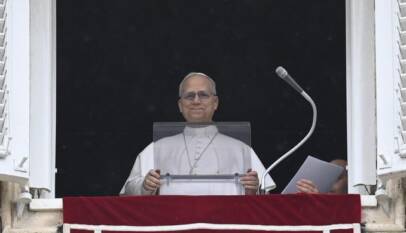
Pope Leo XIV Calls for Peace, Says Suffering of Innocents “Hurts All Humanity”
Vatican, March 2026 : Pope Leo XIV on Sunday expressed deep anguish over ongoing …