Fading Charm of the City’s Irani Cafés : A Glimpse into Hyderabad’s Culinary Heritage

Hyderabad, Sept 2025 : Hyderabad, one of India’s fastest-growing metropolitan hubs, welcomes thousands of immigrants, visitors, and business travelers every day. Steeped in history, the city carries the legacy of the Qutub Shahi rulers, the grandeur of the Nizams, and even traces of the Kakatiya dynasty, all of which continue to shape its cultural and architectural identity. Yet, amid its bustling modernity, Hyderabad retains a unique culinary heritage that has evolved over centuries, shaped by the influx of foreign traders, migrants, and settlers. Among these legacies, the Irani cafés of Hyderabad stand as charming reminders of the city’s cosmopolitan past.
Hyderabad’s cuisine reflects the diverse influences of the many rulers and traders who shaped the region. From the Turks, Afghans, and Mughals to the Qutub Shahis, each brought unique culinary traditions that gradually fused into the city’s gastronomic landscape. One of the most celebrated legacies of this culinary exchange is the iconic Hyderabadi biryani. Its precise origin remains a topic of debate among food scholars—some trace it to Persia, others to Iran, and yet some argue it was first made in India by the Mughals. While historians continue to deliberate, one aspect of Hyderabad’s culinary history is universally cherished: the city’s tea culture.
Tea, or “chai,” has its roots in East Asia, particularly southeast China, Indo-China, and Assam. It gradually became a global beverage, introduced to the Western world by Chinese priests and merchants, later adopted by Dutch and Russian traders, and eventually brought to India by the British East India Company in the 17th century. By the 1830s, tea had become popular among Anglo-Indians and gradually infiltrated Indian households and cafés. In Hyderabad, however, the Persian influence brought a distinct variety known as “Irani chai,” giving rise to the city’s celebrated Irani cafés.
The first Irani cafés in India appeared in Bombay in the late 19th and early 20th centuries, established by Persian immigrants. Hyderabad soon followed, particularly during the reign of the Nizams, when relations with Iran were cordial and trade, cultural, and familial links flourished. Many Iranians settled in the city during the 20th century, bringing with them the tradition of Irani chai. What sets Irani chai apart is the meticulous preparation method: the tea decoction is boiled separately from the milk, which is simmered to achieve a creamy, rich texture. When served, the tea is poured into the milk, producing a unique flavor and texture that is instantly recognizable.
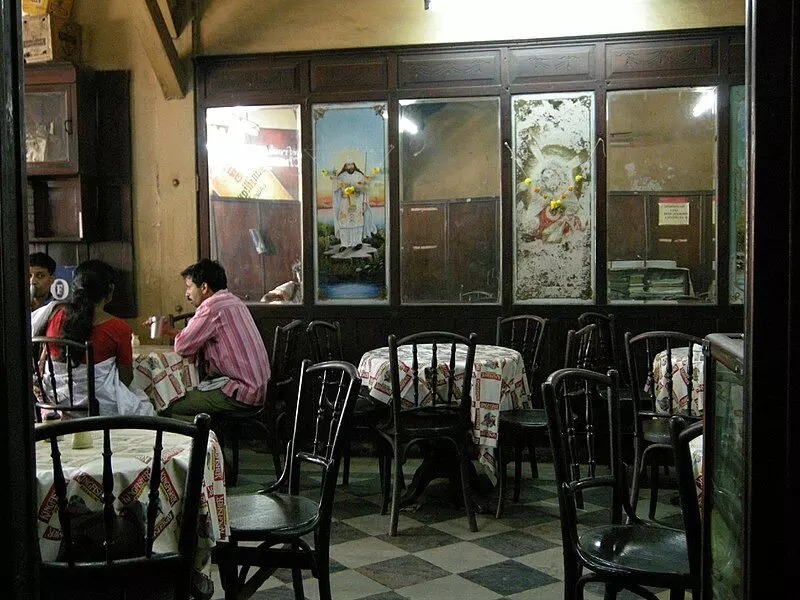
Irani cafés once defined Hyderabad’s café culture, especially in the Old City. These cafés were more than mere eateries—they were social spaces where people from all walks of life congregated, discussed ideas, and savored culinary delights. Today, though their numbers have dwindled, scattered bakeries and cafés continue to serve the city’s tea aficionados, preserving a fragment of Hyderabad’s gastronomic heritage. Among the surviving establishments, five stand out for their enduring legacy and continued popularity.

1. Blue Sea Café, Secunderabad
Established in the late 1980s, Blue Sea remains one of Hyderabad’s most iconic Irani cafés. Nestled in the bustling Regimental Bazaar near Secunderabad Metro station, the café is a favorite among tea lovers seeking an authentic experience. Its signature “golden chai” derives its name from its rich, creamy texture and golden hue, achieved through prolonged simmering. Beyond tea, Blue Sea is famed for its baked treats, including Osmania biscuits, khari biscuits, samosas, puffs, and an array of cakes like cream buns, cream rolls, and jam rolls. Currently run by Hassan Athmadnia, the third generation of the founding family, the café has maintained its traditional charm despite the passage of time. Prices, which began at 60 paisa in 1989, now reflect modern rates, with a cup of tea costing around ₹20. Blue Sea recently expanded with a multi-cuisine outlet in Abids, blending tradition with contemporary dining.

2. Café Bahar, Himayatnagar
Founded in 1973 by Iranian immigrants, Café Bahar initially specialized in coffee but later diversified to include Irani samosas, cream buns, kebabs, and Osmania biscuits. Over time, it earned fame for its biryani and haleem, particularly during the month of Ramadan. Known for its authenticity and consistency, Café Bahar continues to attract locals and tourists alike, offering a glimpse into the city’s rich Irani culinary heritage.

3. Grand Hotel, Abids
Dating back to 1935, Grand Hotel is among the oldest cafés in Hyderabad. Its reputation rests on the creamy, thick chai prepared in the traditional style, along with an extensive menu featuring mutton biryani, Badami biryani, chicken biryani, and desserts like dilkhush and dilpasand. The café has remained a staple for generations, preserving the flavors and ambiance of Hyderabad’s golden café era.

4. Café Niloufer, Lakdikapul
Café Niloufer, a popular breakfast destination since 1978, opens its doors at 6 am daily. Named after a Nizam’s daughter-in-law of Iranian origin, the café is celebrated for its kadak chai—a strong, malai-laden tea served with freshly baked buns and buttery bun maska. Its early hours and rich offerings make it a favorite among early risers seeking an authentic Irani breakfast experience.

5. Nimrah Café, Charminar
Located in the heart of the historic Charminar, Nimrah Café has been serving tea since 1993. Established by Abood Bin Aslam, the café is famous for its tea, Osmania biscuits, khopra biscuits, lukhmi, and shirmal. Visitors can enjoy the rich flavors while taking in the bustling atmosphere surrounding the iconic monument. Today, Abood Bin Aslam continues the family legacy, maintaining the café’s traditional charm.
Other notable establishments contributing to Hyderabad’s Irani café culture include Garden Café, Paradise, Shah Ghouse, Farasha Irani Café, and Alpha Bakery. While modernization, urbanization, and the rise of global coffee chains have led to the decline of many traditional cafés, those that survive remain treasured landmarks of the city’s history and culinary identity.
The fading charm of Hyderabad’s Irani cafés is more than just a loss of eateries; it reflects the gradual disappearance of a cultural practice, a social space, and a culinary art form that has shaped the city’s identity for decades. These cafés are living testaments to Hyderabad’s cosmopolitan past, where tea, conversation, and tradition intertwine seamlessly. Preserving them is not merely about nostalgia—it is about honoring the city’s layered heritage, celebrating the flavors of history, and ensuring that future generations can experience the richness of Hyderabad’s culinary tapestry.
Hyderabad’s Irani cafés, with their creamy teas, delectable biscuits, and warm ambiance, are slowly becoming rare gems. While urban development marches on, these cafés remain a nostalgic anchor, reminding residents and visitors alike of the city’s glorious past, its cultural syncretism, and the simple joy of sipping a perfectly brewed cup of Irani chai.
By R Aakanksha.
About the Writer: An aspiring feature reporter, passionate about exploring the intersections of lifestyle, food, science & technology, culture, and fashion. She loves covering stories that showcase the beauty of everyday life while highlighting the people, trends, and innovations that shape our world. With a curiosity-driven approach and a keen eye for detail, she aims to bring fresh perspectives and insights to her reporting.








Govt. to formulate policy to provide relief in encroachment cases involving poor and landless families: CM
Chief Minister Thakur Sukhvinder Singh Sukhu today laid the foundation stone of the new Mu…

Govt. to formulate policy to provide relief in encroachment cases involving poor and landless families: CM
Chief Minister Thakur Sukhvinder Singh Sukhu today laid the foundation stone of the new …