From Playrooms to Prototypes : How an Eight-Year-Old Is Quietly Redefining What It Means to Learn, Build, and Belong in India’s Hardware Future

Hyderabad, Feb 2026 : At a time when India is doubling down on manufacturing, electronics, and hardware-led innovation, a quiet but powerful shift is unfolding. Beyond coding classes and online tutorials, a new generation is beginning to learn technology not by memorising theories, but by building real things—inside workshops, factories, startup floors, and live product environments.
Among the youngest faces of this shift is eight-year-old Lakshveer Rao.
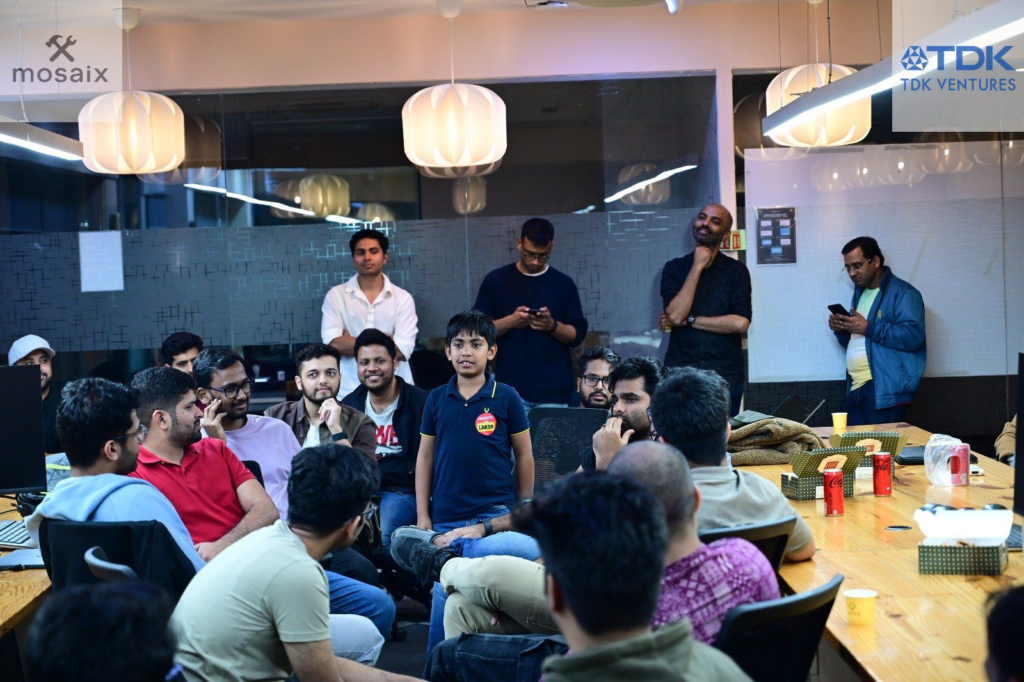
Laksh is not being introduced as a prodigy or a novelty act. He is a builder—India’s youngest hardware startup founder and the co-founder of Projects by Laksh, a parent–child innovation initiative centred on hardware-first thinking, real-world execution, and learning through making. His journey offers a rare look at what happens when curiosity is matched early with access, accountability, and trust.
Learning by Building, Not Demonstrating
Unlike many child-centric innovation stories that focus on competitions or staged demonstrations, Laksh’s work is grounded in real systems, real products, and real outcomes. His projects are not created to impress judges, but to function, iterate, and improve through use.
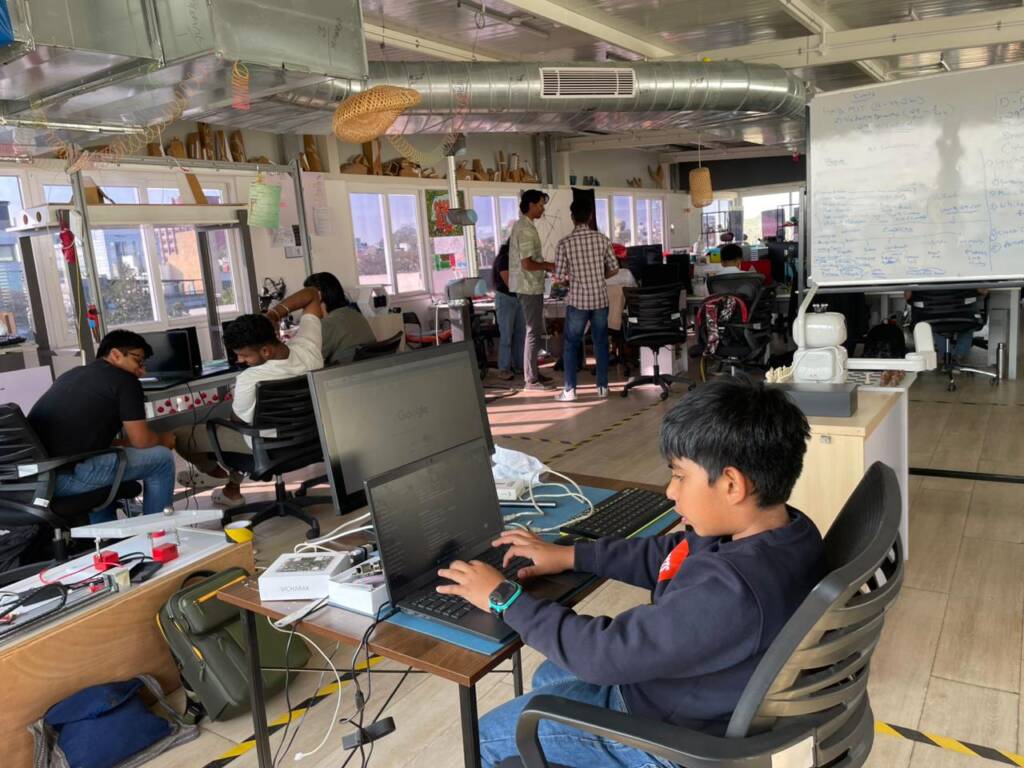
One of his most notable creations is Circuit Heroes, a circuit-building trading card game designed to make electronics hands-on and intuitive. The game has gone through four full iterations, incorporating feedback, redesigns, and functional improvements. More than 300 decks have already been sold—an outcome that connects learning with delivery, responsibility, and market reality.
Alongside this, Laksh is working on Hardvare, a hardware execution platform aimed at simplifying how functional devices are conceptualised and built, and Chhota Creator, a peer-learning initiative where children teach other children through practical, hands-on content. Each project reinforces a simple idea: learning deepens when it produces something tangible.
Over the past few years, Laksh has built and documented more than 200 projects spanning electronics, robotics, artificial intelligence, computer vision, coding, mechanical systems, and game design. His creations include obstacle-avoiding and self-parking cars, ESP32 camera systems, automatic kitchen tools, experimental wearable concepts, and robotics prototypes. Each build adds a layer of understanding—not just of technology, but of patience, iteration, and failure.
Early Encounters with Responsibility
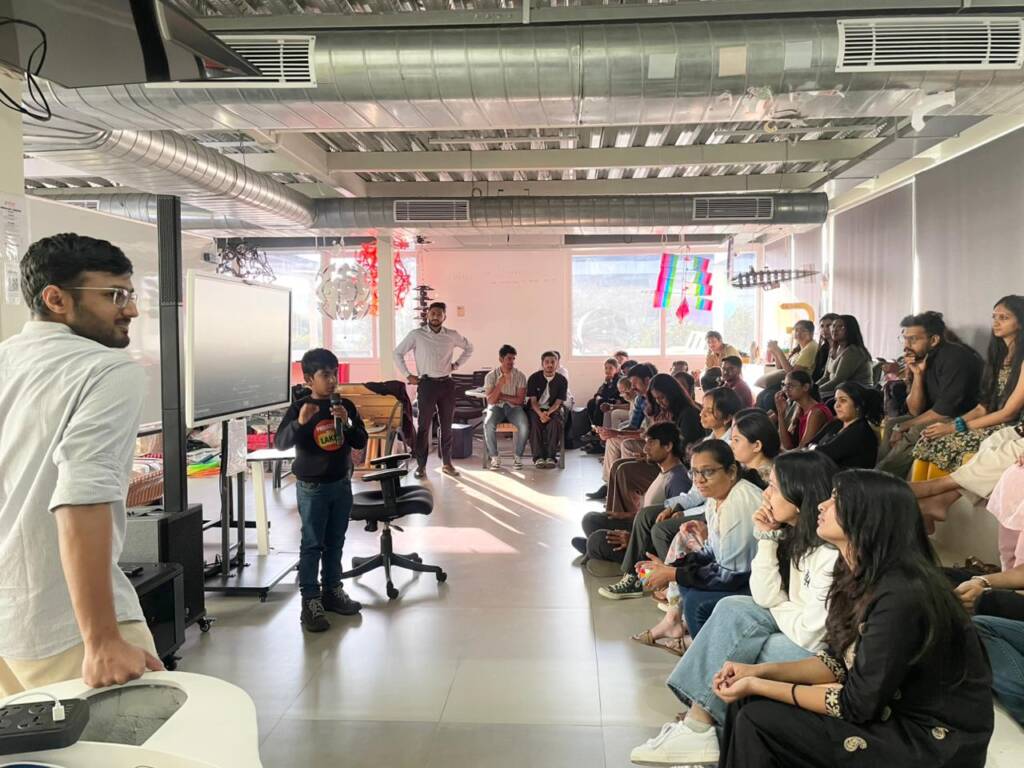
Laksh’s journey also includes early entrepreneurial experiments designed to link skill with accountability. He has conducted paid robotics workshops for children, completed paid photography assignments, and sold handmade products. These experiences are not framed as achievements, but as learning moments—introducing concepts of commitment, timelines, customer expectations, and outcome ownership.
Through these efforts, learning is no longer abstract. It is tied to effort, feedback, and consequence—an approach that mirrors real-world work far more closely than traditional classroom models.
Learning Beyond the Classroom Walls
A defining feature of Laksh’s growth is where his learning happens.
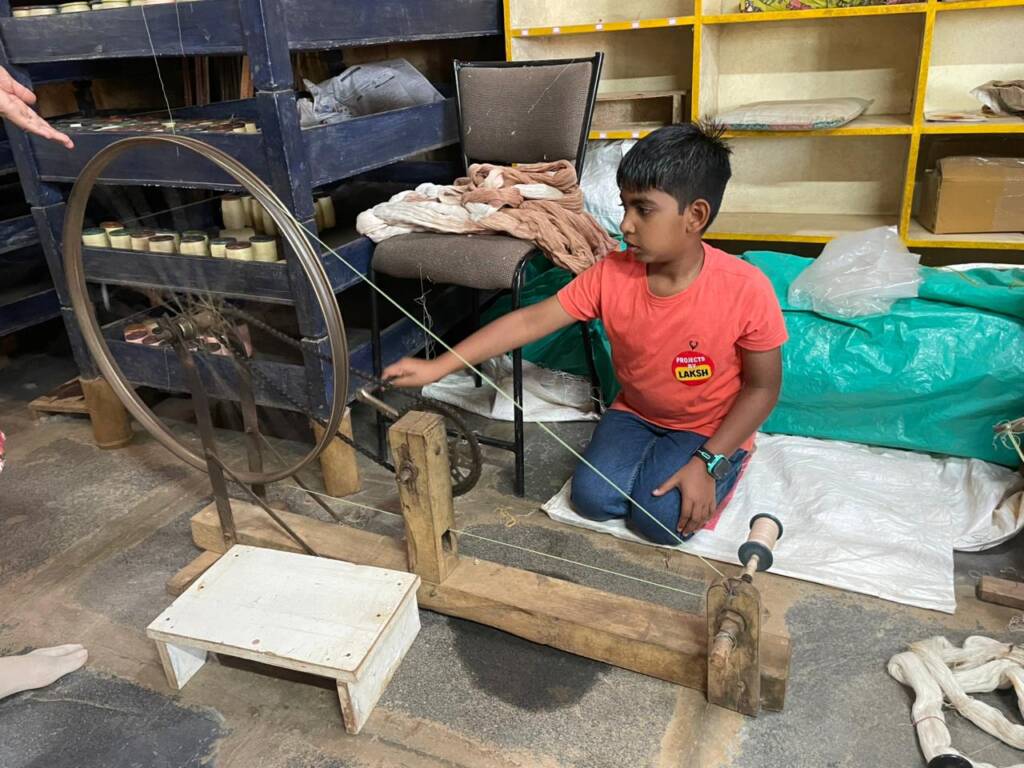
Instead of being limited to structured classrooms or age-segregated environments, he has spent time across more than 50 companies in four cities. These include manufacturing floors, hardware startups, robotics firms, and advanced prototyping labs. In these spaces, he observes how ideas move from concept to design, testing, production, and deployment.
Laksh has pitched and showcased his work at platforms such as South Park Commons Open Pitch, Scaler School of Technology’s Yugantar Tech Fest, VibeHack by Emergent, and The AI Collective. He has been a finalist or special award recipient at several innovation forums and has also been shortlisted during early screening stages for Shark Tank India Season 5 and ISF Junicorns.
Yet his family is clear: this exposure is not about visibility or acceleration. It is about placing him inside real ecosystems where constraints exist, trade-offs matter, and iteration is unavoidable.
A Father’s Philosophy: Co-Working, Not Instructing
Central to Laksh’s journey is the role of his father, Capt. Venkat, a former Indian Army officer whose career spans the armed forces, entrepreneurship, and early-stage startup ecosystems.
“What the Army instilled in me was discipline, systems thinking, accountability, and respect for real-world outcomes,” he shared. “Those values quietly shape how I approach parenting. It’s less about instructing and more about co-working.”
There was no predefined plan to raise a founder, he emphasises.
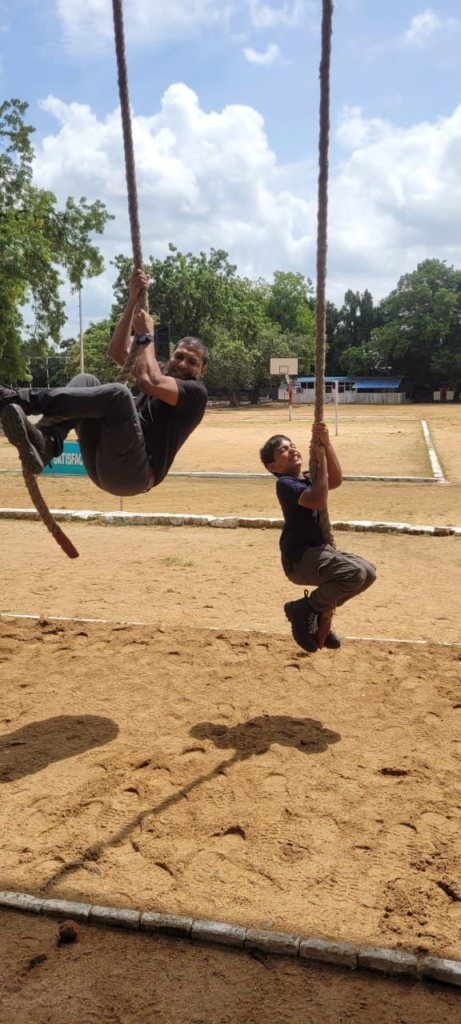
“What I noticed early was deep curiosity and an unusual willingness to struggle with real problems. Instead of optimising for grades or speed, we chose to optimise for exposure, effort, and ownership. If something could be built, shipped, sold, or tested in the real world, we leaned into that—even if it meant slower progress or visible failure. We tried to minimise the distance between idea and reality.”
His role, he says, is to create access, define boundaries, and insist on follow-through. Laksh chooses what to build. He breaks things, fixes them, and lives with the consequences—whether that means a failed prototype or a successful sale.
Where Projects and Childhood Coexist
Despite the scale of Laksh’s work, his father is firm that projects do not replace childhood.
“School, play, rest, and non-negotiable downtime matter. Projects coexist with childhood; they don’t consume it,” he explained. “What changes is the quality of engagement. When he builds, it’s end-to-end. When he learns, it’s tied to something tangible. When he earns, it’s connected to effort and responsibility.”
Laksh follows a regular routine, attends school, and enjoys play like any other child. The difference lies in integration. Building, traveling, selling, documenting, and interacting with professionals are treated as parts of a continuous learning loop rather than optional extras.
A Glimpse of a Changing Generation
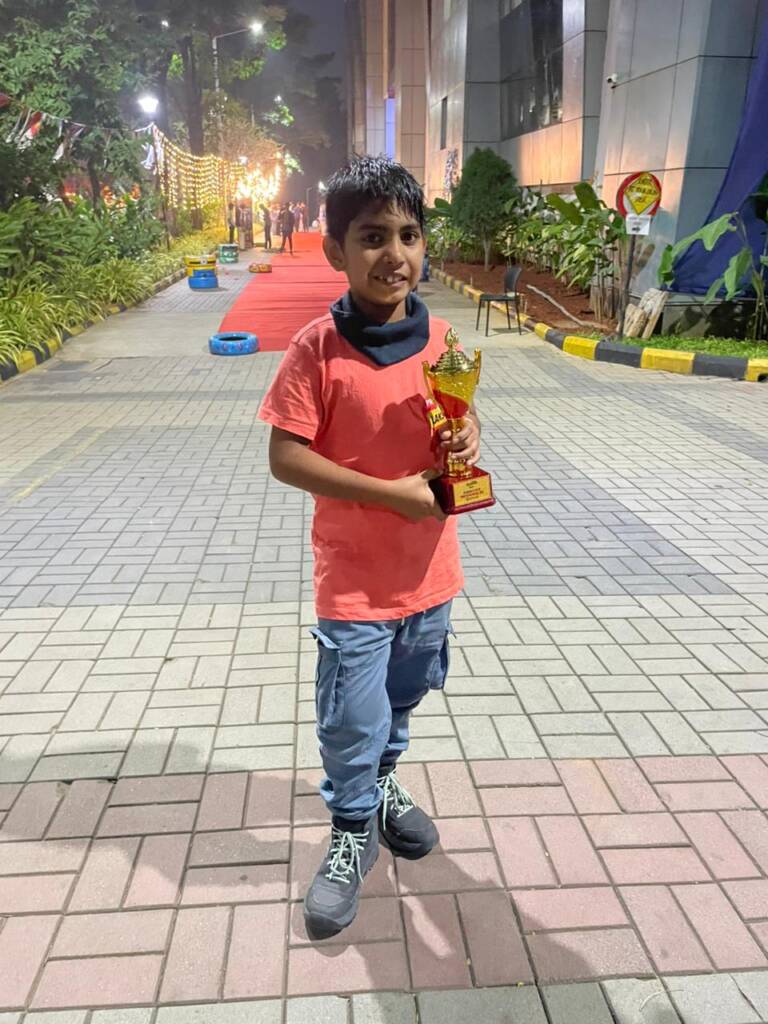
Lakshveer Rao’s journey is not presented as a template or an expectation for all children. Instead, it offers a window into a changing mindset—one where children are trusted with real tools, real problems, and real responsibility earlier than traditionally allowed.
It reflects a learning model where curiosity is taken seriously, discipline is learned through doing, and outcomes matter more than appearances. In a country investing heavily in manufacturing, electronics, and deep-technology ecosystems, such stories hint at how the next generation might grow up—not merely consuming technology, but shaping it.
Laksh’s story is not about being ahead of his age. It is about being present in the real world—building, failing, fixing, and learning with dignity.
And in that quiet, steady process, India’s future builders may already be finding their footing—one prototype at a time.
Team Maverick.







More Than a Café: How MITTI Café is Brewing Hope, Dignity and Dreams at Rashtrapati Nilayam
Hyderabad, July 2026 : Tucked away inside the serene campus of Rashtrapati Nilayam in Boll…

More Than a Café: How MITTI Café is Brewing Hope, Dignity and Dreams at Rashtrapati Nilayam
Hyderabad, July 2026 : Tucked away inside the serene campus of Rashtrapati Nilayam in …