Nepal Introduces A Dynamic Pricing Matrix for Upper Mustang.

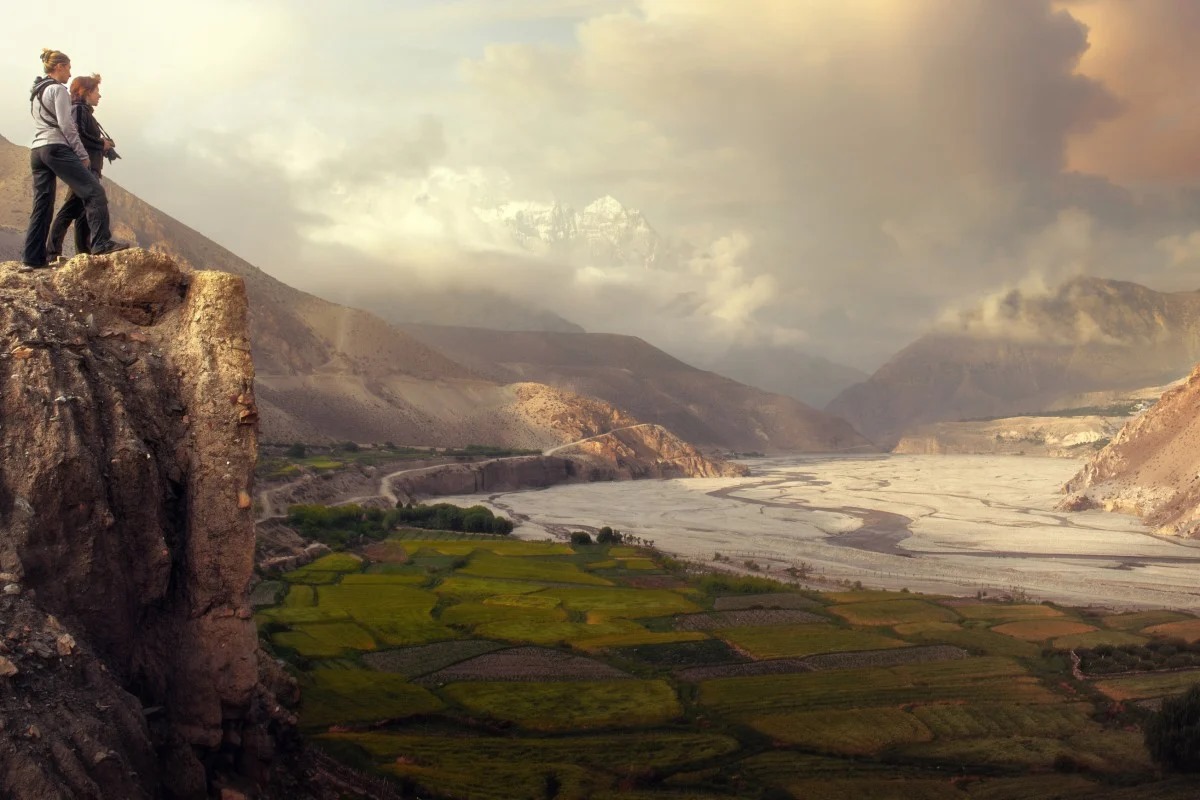
Nepal is preparing to open one of its last untouched frontiers for foreigners by slashing the costly permit to enter ‘Upper Mustang’, which is a rugged plateau of ochre cliffs, hidden valleys and centuries-old Buddhist heritage.
The Nepalese Government has announced plans to replace the flat US$500 charge for a 10-day stay with a daily US$ 50 rate, a shift that tourism entrepreneurs believe will make the destination more accessible and help drive the local economy.
“We have been lobbying to reduce the permit fee for a long time, and this is a welcome move”, said Sagar Pandey, President of the Trekking Agencies’ Association of Nepal. “Previously, it would have taken 10 days to trek to Upper Mustang, but now it’s accessible by road and can be done in a few days. So, the hefty US$ 500 fee seems outdated”.
While the cabinet decided to reduce the entry fee last week, the rule will go into effect only after immigration regulations are amended. The Department of Immigration is still waiting for formal confirmation from the government, according to an official.
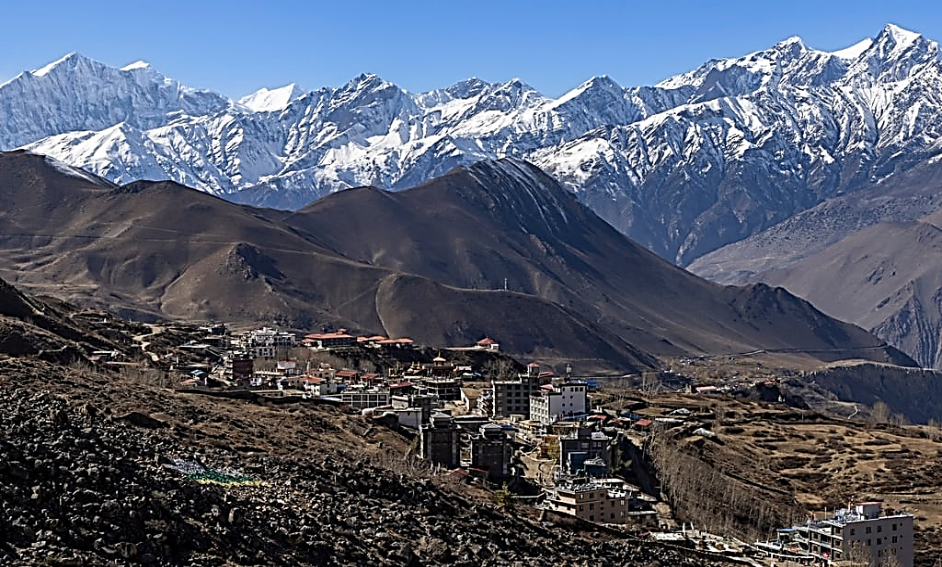
Upper Mustang, once the ancient kingdom of Lo, is part of the trans-Himalayan region in northern Nepal bordering Tibet. It is known for its Tibetan culture, dramatic landscapes, monasteries, sky caves and cave paintings.
Mustang was made accessible to foreigners in 1992, with lower-region towns like Jomsom and Kagbeni, and Muktinath temple now part of the Annapurna Circuit trek. But Upper Mustang largely remained restricted until a few decades later due to lack of roads and geopolitical sensitivity.
What is considered to be a blessing by some, is now been considered to be a curse for others. Tourism contributes around 6.6% to Nepal’s gross domestic product, creating nearly 1.2 million jobs and generating US$2.5 billion in revenue in 2023, according to the World Travel and Tourism Council. Despite September’s political uprising, the country welcomed over 128,000 tourists in October, around 4,000 more than the same period last year. The local government estimates around 3,000 to 3,500 foreigners visit Upper Mustang annually, with the new provision expected to bring in more. But many locals doubt that more tourists would bring them any economic benefits.
Tsewang Bista, a veteran tourism entrepreneur with over two decades of experience, said that with better roads, tourists could easily make the trip from Jomsom to Lo Manthang, the walled capital of Upper Mustang, in a single day. He added that it could benefit Jomsom-based companies more.
“Tourists are likely to visit Lo Manthang if they come for a day”, said Bista, who runs a hotel and adventure trek company in Tsarang. “Upper Mustang is more than just Lo Manthang, and many of us may not see any profit from the revised permit fee. That’s why not everyone is happy”.
Bista said the 10-day stay allowed visitors to explore smaller villages and spend more time in the region, directly supporting local communities. It also enabled them to understand the region’s history, culture and religion better, he added, urging the authorities to promote smaller settlements.

Upper Mustang constitutes several villages of historic and religious significance, featuring centuries-old monasteries, ancient architecture and preserved cave paintings. They include Tangbe, Chhusang, Tsele, Ghyakar and Ghiling, which Bista says might be overlooked during short trips.
Tashi Nharbu Gurung, chairman of the Lo Manthang Rural Municipality, also believes visitors coming for shorter trips would “negatively impact” the region. Local representatives had raised concerns with the government in Kathmandu, he said. Gurung proposed slashing the 10-day fee to around US$ 200 instead of introducing a daily fee. This would make Upper Mustang affordable, while allowing tourists to stay longer and explore.
The federal government should also allocate a greater share of the permit fee royalties to the region, Bista said. He argued that tourism had not benefited the area significantly as it had in Solukhumbu, where popular treks, including the Everest Base Camp, drew more tourists. “If there is more investment, we can directly see and feel the benefits from tourism. Otherwise, locals will be disillusioned. We don’t want to look like animals in a zoo that people come to see”.
As Upper Mustang is an ecologically fragile area with limited resources and home to vulnerable wildlife, experts warn that over tourism could result in long-lasting environmental impacts.
Anu Kumari Lama, tourism specialist at the International Centre for Integrated Mountain Development, said that although the reduced permit fee was a welcome move from an economic perspective, but managing the growth could be challenging. The region is already seeing a high volume of domestic tourists, creating traffic jams and waste during peak holiday seasons.
“We need to think about how to prepare the local governments and communities. It will put pressure on already limited resources such as agriculture, water and waste management. Vehicular movement and tourist flow will increase the carbon footprint, and it ultimately ties into bigger environmental challenges, including air pollution and climate change”.
Mustang is already facing climate change-induced disasters, with increasing risks of floods and landslides from glacial lake outbursts. Lama said that any infrastructure development that came with tourism should be aligned with geographic and ecological sensitivity, as climate change had already displaced people in villages like Dhye and Samdzong. Meanwhile, tourism entrepreneurs like Pandey say, “the government should also consider slashing high fees in other trekking routes, including Upper Dolpa, Manang, Mugu, Bajhang and Darchula”.
This could help promote new destinations while easing crowds in popular routes like the Everest or Annapurna base camps. But as once-restricted frontiers open up, Nepal faces both opportunities and a responsibility to balance tourism-driven growth while safeguarding its valuable ecosystems.
Team Maverick


New Financial Year to Bring Tax, Labour and Travel Reforms from April 1
Mumbai, March 2026 : A host of major financial and regulatory changes will come into effec…
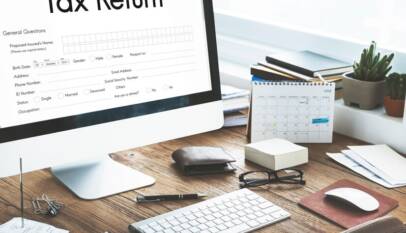
New Financial Year to Bring Tax, Labour and Travel Reforms from April 1
Mumbai, March 2026 : A host of major financial and regulatory changes will come …