UP’s E-Bus Plant Reflects India’s Net-Zero Mobility Roadmap: Kumaraswamy

Under the PM’s visionary leadership, an ambitious roadmap for net-zero carbon emissions has been prepared.
-More than 70,000 charging stations will be set up across the country under the PM e-DRIVE scheme.
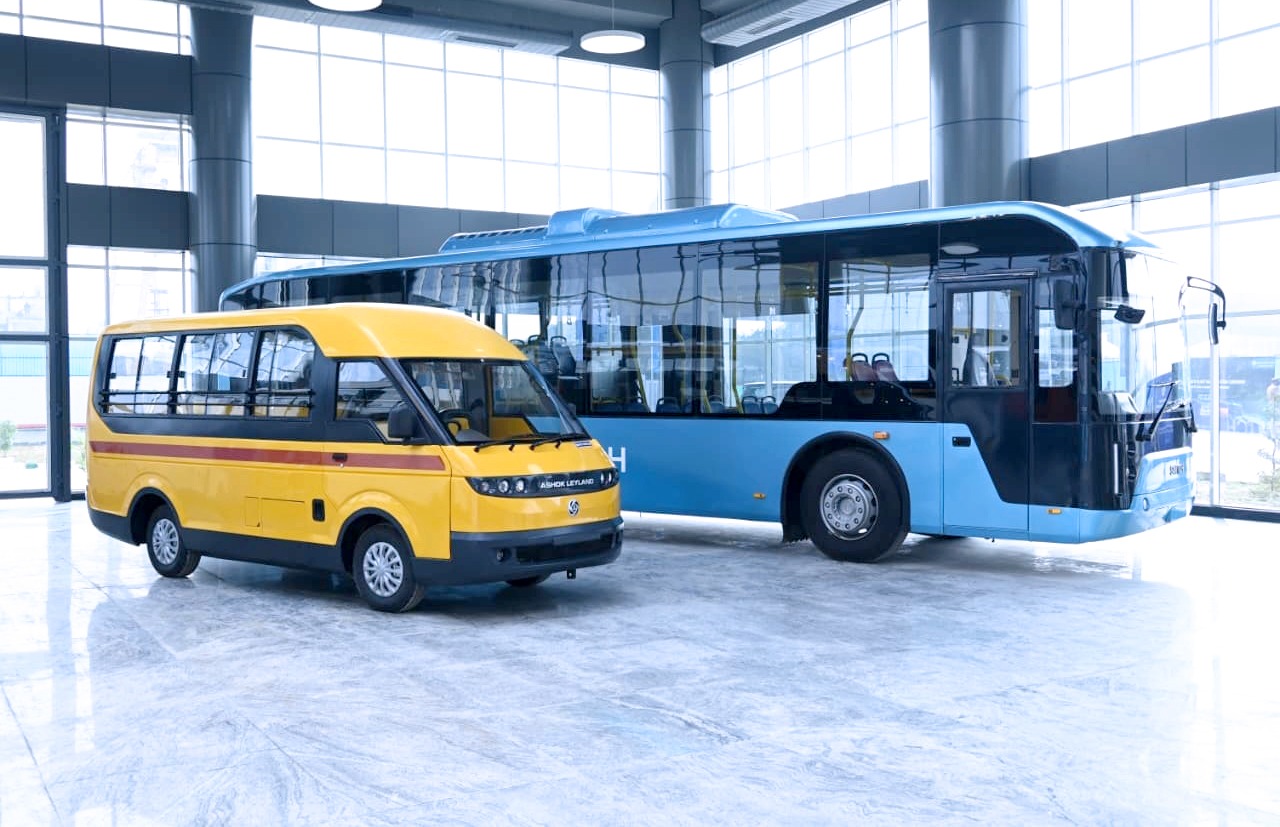
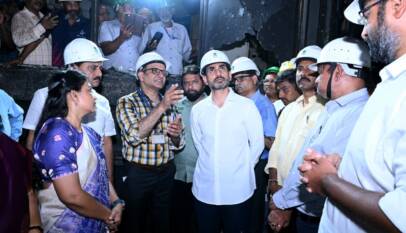
Lucknow, January 2026 : Union Minister for Heavy Industries and Steel H.D. Kumaraswamy, while lauding the extensive infrastructure reforms in Uttar Pradesh, said that the state has today emerged as the hub of India’s largest expressway and railway network. He said the launch of Ashok Leyland’s electric bus manufacturing unit in Lucknow is not only a milestone for the company, but also a historic step in India’s journey towards sustainable and self-reliant mobility. Kumaraswamy was addressing the inaugural ceremony of the Ashok Leyland electric bus manufacturing facility at Sarojininagar.
The Minister said that under the visionary leadership of Prime Minister Narendra Modi, India has drawn up a clear and ambitious roadmap towards achieving the goal of net-zero carbon emissions. Alongside this, the Make in India and Atmanirbhar Bharat initiatives are being strengthened, particularly in the advanced manufacturing sector, which will shape the country’s industrial future in the years to come.
He said the Government of India, through the Ministry of Heavy Industries, has undertaken several key initiatives to promote electric vehicles. The FAME-II scheme, with an outlay of ₹11,500 crore, has accelerated the adoption of electric vehicles across the country. Under this scheme, more than 16.71 lakh electric vehicles have come onto Indian roads and over 9,000 public charging stations have been sanctioned.
Continuing this momentum, the PM e-DRIVE scheme, with an outlay of ₹10,900 crore, is providing sustained incentives for electric vehicles. Under the scheme, more than 20 lakh electric vehicles have been sold so far. Kumaraswamy said that to strengthen the automobile sector, the PLI Auto Scheme with an outlay of ₹25,938 crore has been implemented, mandating domestic value addition. In addition, the PLI Advanced Chemistry Cell (ACC) scheme, with an outlay of ₹18,100 crore, aims to create 50 GWh of battery manufacturing capacity in the country, which is a crucial step towards long-term energy security.
He also referred to the recently approved REPM scheme, which has been cleared by the Union Cabinet under the leadership of Prime Minister Modi with a budgetary outlay of ₹70,280 crore. The scheme seeks to promote indigenous manufacturing of sintered rare earth permanent magnets, which are critical components for electric vehicles, wind energy, defense equipment and electronics.
The Union Minister said that special focus on the commercial vehicle segment is essential, as it accounts for more than 40% of transport-related pollution. Keeping this in mind, a provision of ₹2,000 crore has been made under the PM e-DRIVE scheme for setting up more than 70,000 charging stations across the country. Praising Ashok Leyland, Kumaraswamy said, the company has set a benchmark by establishing this state of the art manufacturing facility in a record time of just 18 months.


World Leaders Congratulate Prime Minister Narendra Modi on Becoming India’s Longest-Serving Elected Prime Minister
Prime Minister Shri Narendra Modi received warm congratulations from world leaders on the …
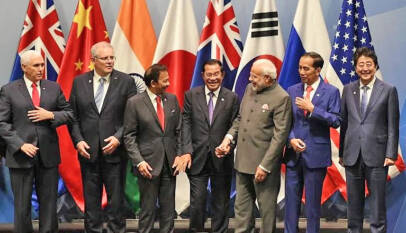
World Leaders Congratulate Prime Minister Narendra Modi on Becoming India’s Longest-Serving Elected Prime Minister
Prime Minister Shri Narendra Modi received warm congratulations from world leaders on the eve …