Chandigarh, Sept 2026 : With the aim of further improving health and nutritional outcomes among children, pregnant women and lactating mothers across the state, the Punjab Government’s Department of Social Security and Women and Child Development (WCD) has introduced comprehensive changes in the supplementary nutrition provided through 27,000 Anganwadi centres.
First Reform
As part of the first major reform, 1.1 lakh children aged between 3 and 6 years enrolled at 27,000 Anganwadi centres will now be served healthy, freshly cooked and hot meals instead of “ready-to-cook” food.
Earlier, children at Punjab’s Anganwadi centres were provided packaged ready-to-cook food, which was served as “cooked food”. The department has now completely decentralised the food preparation process. Centrally supplied packaged food has been replaced with fresh food that will be prepared and cooked daily at the local level.
For this purpose, the government is providing Anganwadi workers with the necessary resources, funds, facilities and support to procure fresh, locally available ingredients every day and prepare meals for children according to the needs of their respective areas. With this support, frontline workers will be able to provide fresh and healthy food to children while ensuring better nutrition and hygiene.
From a nutritional perspective, freshly prepared food offers greater benefits than packaged food. It contains higher levels of natural nutrients and can be prepared according to children’s preferences. At the same time, the new system will help avoid concerns associated with food prepared and packaged on a large scale, including the use of preservatives, long shelf life requirements and variations in quality.
Considering the importance of nutrition at this age, particularly for brain and physical development, the Punjab Government decided to introduce fundamental improvements in the existing system.
Second Reform
Major improvements have also been introduced in the system designed for pregnant women, lactating mothers and children aged between six months and three years. Production units have been established locally in every district, a system of community monitoring has been introduced, and the distribution cycle of “Take Home Ration” has been reduced from 45 days to 15 days.
Distribution Cycle Reduced from 45 Days to 15 Days
Take Home Ration, which was earlier distributed once every 45 days, has also been taken out of the centralised system. Under the new arrangement, ration will now be distributed every 15 days instead of every 45 days.
This will ensure regular interaction between pregnant women, lactating mothers and children and Anganwadi workers. The workers will be able to guide beneficiaries on the proper use of the ration, answer their questions and provide nutrition-related advice from time to time.
- Local Production and Decentralised Model: The department has taken a step ahead of other states by initiating the establishment of production units in every district.
- Community Monitoring: For the first time in the country, direct participation of beneficiaries, Anganwadi workers and mothers of children visiting Anganwadi centres, along with the management committees of these units, has been made mandatory.
This unprecedented step empowers communities to directly monitor what is being prepared and supplied for their children. It will also create local employment opportunities in every district.
Strict Quality Checks Before Rollout
Reiterating its commitment to quality, the government has ensured that every recipe and ingredient submitted by bidders for the Take Home Ration tender is tested in laboratories.
In addition, for the first time, actual taste-testing sessions have been conducted with children at Anganwadi centres so that only those recipes that children genuinely like are selected for final approval.
Addressing Challenges During the Transition
Like any large-scale systemic reform, the transition has also faced some initial challenges. Due to the large number of proposals received from bidders, testing of the recipes took longer than initially anticipated, resulting in a slight delay in finalising the tenders.
The government has completed the tender process for Bathinda district today and will complete the process for all remaining districts during the coming week.
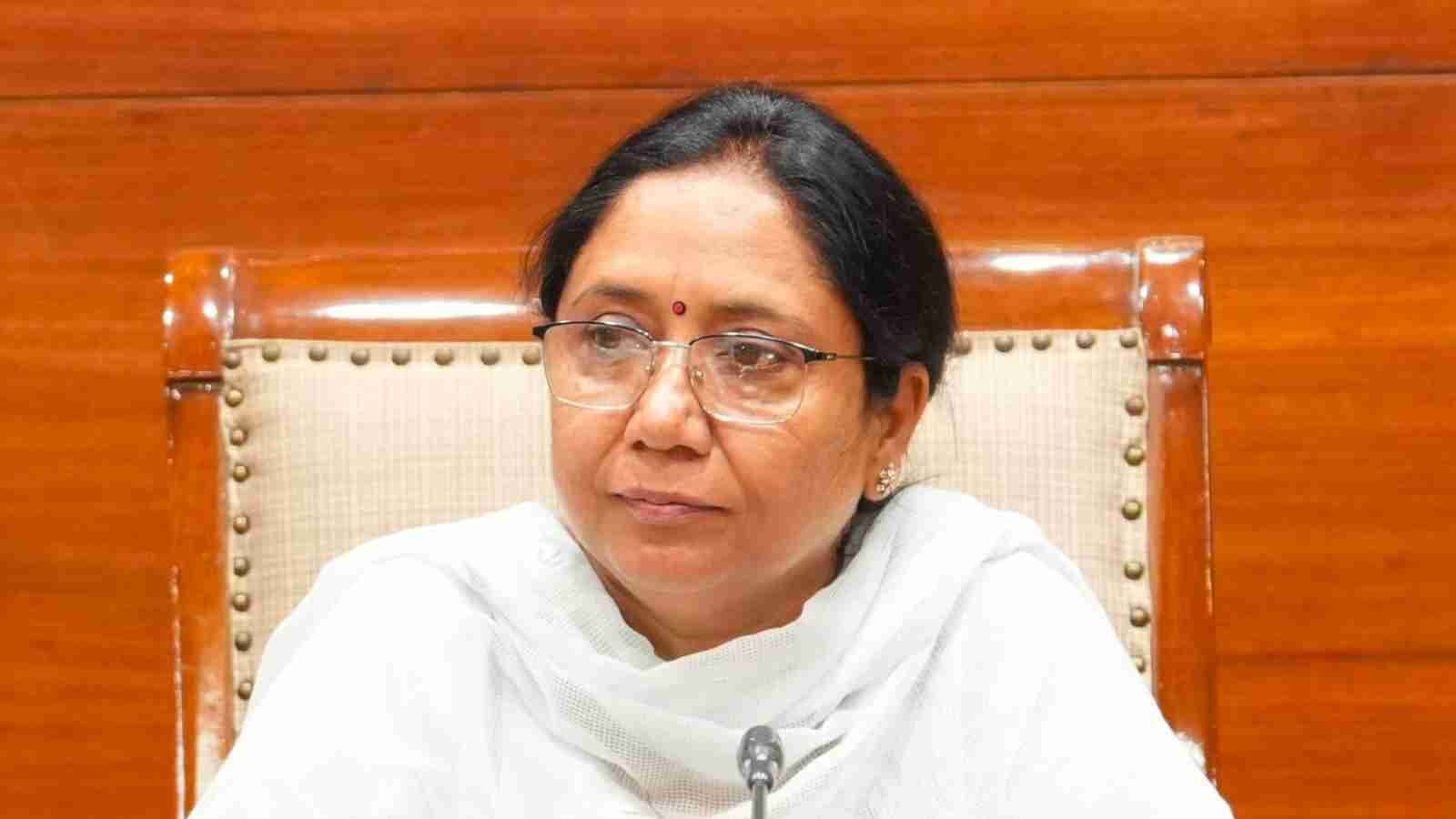
Women and Child Development Minister Dr Baljit Kaur said, “With these reforms, Punjab has emerged as a national leader in Anganwadi nutrition reforms, prioritising accountability and community participation over convenience. The Bhagwant Mann government is committed to ensuring that the children, pregnant women and lactating mothers reached through the Anganwadi network receive food that is not only adequate in quantity but also nutritious and safe.”