India–EU Free Trade Agreement Slashes Tariffs, Boosts Market Access

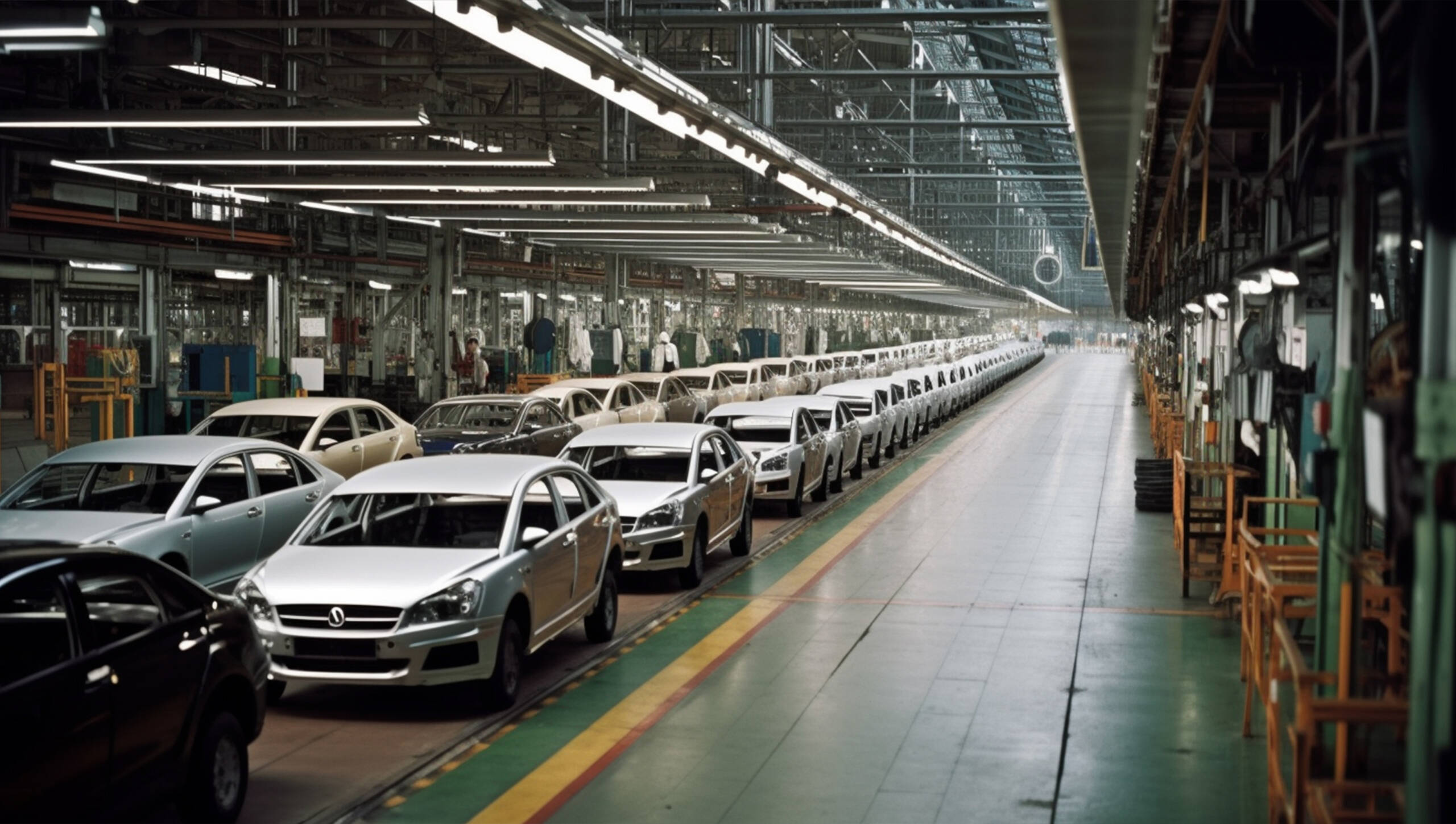
New Delhi, Jan 2026 : India and the European Union on Tuesday concluded a long-awaited Free Trade Agreement (FTA), marking a major milestone in bilateral economic relations and opening new avenues for trade, investment and strategic cooperation. A key feature of the agreement is a sharp reduction in tariffs on European passenger vehicles entering the Indian market, with duties being cut to 10 per cent from the current high of up to 110 per cent.
The reduced tariff will apply under an annual quota of 250,000 vehicles. At present, India imposes a 70 per cent import duty on passenger cars priced below $40,000, while vehicles costing more than $40,000 attract an effective customs duty of around 110 per cent. The new arrangement is expected to significantly improve access for European automakers seeking a foothold in India’s rapidly expanding automobile market.
India’s car market, currently the world’s third-largest by sales volume, is projected to grow to nearly six million units annually by 2030. The FTA is likely to encourage European manufacturers to scale up their presence in the country, both through imports and fresh investments.
French automaker Renault is set to return to India with a revised business strategy, aiming to diversify beyond European markets where competition from Chinese carmakers has intensified. Similarly, Volkswagen Group is finalising its next phase of investment in India through its Skoda brand, signalling renewed confidence in the Indian market’s long-term potential.
The scope of the FTA extends well beyond automobiles. Under the agreement, India will lower or eliminate tariffs on more than 90 per cent of European goods exported to the country. Significant duty reductions are planned for key sectors such as machinery, which currently faces tariffs of up to 44 per cent, chemicals with duties of around 22 per cent, and pharmaceuticals taxed at approximately 11 per cent. Most of these tariffs will be phased out gradually over an agreed timeline.
Other notable provisions include a reduction in import duties on European beer to 50 per cent, while tariffs on chemicals, aircraft and spacecraft will be eliminated for nearly all products. These measures are expected to improve market access, enhance competitiveness and support deeper integration of supply chains between India and the EU.
According to the European Union, the FTA could help double EU exports to India by 2032 and generate annual duty savings of up to four billion euros for European exporters. The agreement is also expected to benefit Indian consumers and industries through greater choice, improved technology access and increased competition.
In parallel with the trade pact, leaders at the India–EU Summit launched a new EU–India Security and Defence Partnership, underscoring a shared intent to deepen cooperation beyond economics and strengthen strategic ties in an evolving global landscape.




Pakistan Appoint Mike Smith as Test Batting Coach Amid Batting Crisis
Mumbai, Aug 2026 : Pakistan have appointed former South African first-class cricketer and …

Pakistan Appoint Mike Smith as Test Batting Coach Amid Batting Crisis
Mumbai, Aug 2026 : Pakistan have appointed former South African first-class cricketer and Level …