Escalation Across the Gulf: Iran Claims Control of Hormuz as Israel Expands Strikes and Global Alarm Mounts

March, 2026 : The Middle East conflict entered a perilous new phase on Wednesday as Iran’s elite Islamic Revolutionary Guard Corps (IRGC) declared it had “complete control” of the Strait of Hormuz, while Israel pressed ahead with a fresh wave of airstrikes on Iranian and Lebanese targets. The war, now in its fifth day, is reshaping regional security calculations, rattling global markets, and drawing urgent diplomatic reactions from capitals around the world.
Tehran Signals Resolve for a Prolonged Conflict
In Tehran, senior Iranian officials projected defiance and endurance. Mohammad Mokhber, a top aide to the late supreme leader Ayatollah Ali Khamenei, told state television that Iran had no intention of negotiating with the United States and could continue fighting “for as long as we want.” The judiciary chief echoed the hardline tone, warning that anyone aiding Iran’s enemies would face severe consequences—remarks that followed calls from Washington and Jerusalem urging Iranians to challenge the Islamic Republic’s leadership.
Iranian officials framed the confrontation as an existential struggle, arguing that national unity and resilience would offset the military and economic pressures unleashed by the Israeli-US campaign. State media amplified these messages, portraying the conflict as a test of sovereignty and regional influence.
Israeli Air Campaign Intensifies Over Tehran
Israel’s military confirmed it had launched a new round of strikes on the Iranian capital, with an AFP journalist reporting explosions in northeastern Tehran. According to the Israeli army, “dozens” of targets were hit, including security command centers, and an Iranian fighter jet was shot down over the city. The strikes underscored Israel’s determination to degrade Iran’s command-and-control capabilities and maintain operational momentum.
Israeli officials said the timing and tempo of the attacks were designed to preserve surprise and disrupt Iran’s ability to coordinate defenses. As air raid sirens later wailed across Israeli cities, military spokespeople emphasized that layered air defenses were intercepting incoming threats while offensive operations continued.
Maritime Shock: Iranian Frigate Sinks Near Sri Lanka
Adding a dramatic maritime dimension to the crisis, Sri Lanka announced that an Iranian navy frigate—the IRIS Dena—sank just outside the island’s territorial waters after an explosion. The cause remained unclear. Authorities said 32 critically wounded sailors were rescued after a distress call at dawn, while search-and-rescue operations continued for the remaining crew of roughly 180.
The incident raised immediate questions about maritime safety and the potential spillover of the conflict into the Indian Ocean, a region vital for global trade routes.
G7 and Europe Scramble for a Response
Amid the escalating violence, G7 nations moved to coordinate. France said it would convene a meeting of G7 finance ministers early next week, with central bankers also attending, to assess market turbulence and energy risks.
In Europe, tensions flared between allies. Pedro Sánchez rejected criticism from Donald Trump over Spain’s refusal to allow US aircraft to use its bases for strikes on Iran, declaring “No to war” in a televised address. An European Union spokesperson said the bloc was ready to act to safeguard its interests after Trump threatened trade retaliation.
Legal and Diplomatic Dissent From Canada
From the Asia-Pacific, Mark Carney struck a critical note, calling the US-Israeli strikes “inconsistent with international law” while urging rapid de-escalation. Speaking at Sydney’s Lowy Institute, Carney said Canada welcomed efforts to change Iran’s governance, which he described as a major source of regional instability, but cautioned that the manner of military action appeared legally questionable. He stressed that final judgments rested with legal experts.
Hormuz at the Center of Global Anxiety
The IRGC’s claim of full control over the Strait of Hormuz sent shockwaves through energy markets. The narrow waterway carries a significant share of the world’s oil and liquefied natural gas, making it a strategic chokepoint. Iranian commanders warned that any vessel attempting passage risked damage from missiles or stray drones. In response, Trump said the US Navy stood ready to escort tankers through the Gulf to ensure freedom of navigation.
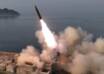
Iranian forces also claimed to have fired more than 40 missiles at US and Israeli targets in a new salvo, reinforcing fears of a widening confrontation that could disrupt global energy supplies.
State Funeral for Khamenei Amid Threats
Iran announced a three-day state funeral beginning Wednesday evening for Ayatollah Ali Khamenei, killed in the opening US-Israeli strikes that ignited the war. The solemn ceremonies are expected to draw massive crowds and serve as a rallying point for the regime. Israel’s defense minister warned that any successor to Khamenei would remain a “target for assassination,” a remark that further inflamed tensions.
Markets Reel as Missiles Fly
Financial markets reflected the geopolitical shock. Stock exchanges in Dubai and Abu Dhabi reopened sharply lower after a two-day suspension, while Asian markets earlier plunged amid panic selling. Oil prices jumped as traders priced in the risk of supply disruptions from the Gulf.
On the battlefield, missiles launched from Iran triggered air raid sirens across Jerusalem and Tel Aviv. Israel’s military said it intercepted the threat, though shrapnel sparked a fire near Jerusalem. Across the border in Lebanon, Israeli strikes hit southern suburbs of Beirut and other towns as Israel and Hezbollah traded fire. Lebanon’s health ministry reported multiple deaths and injuries.
US Military Update and Regional Spillover
In a video message, Brad Cooper, who commands US forces in the Middle East, said nearly 2,000 targets had been struck inside Iran, severely degrading air defenses and destroying hundreds of missiles, launchers, and drones. Saudi Arabia reported intercepting cruise missiles and drones, while a drone was shot down near Baghdad. Qatar said it dismantled two Iranian spy cells and arrested 10 suspects.
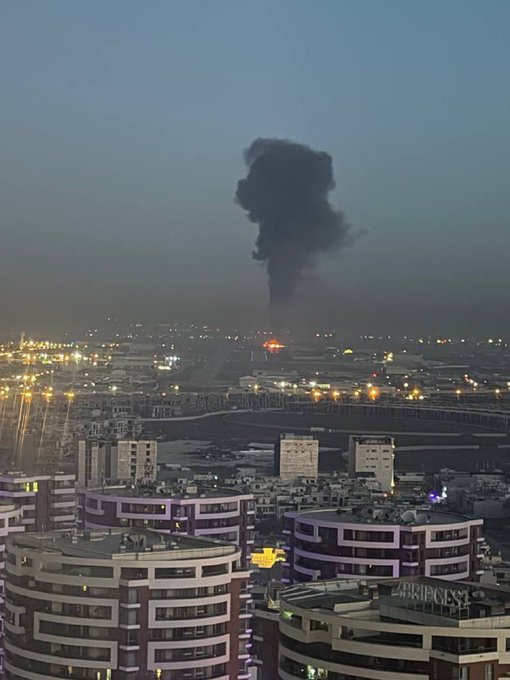
A drone attack sparked a fire near the US consulate in Dubai, highlighting the vulnerability of diplomatic missions. Washington authorized non-emergency staff to leave several regional posts, citing safety risks.
A Region on Edge
As missiles, markets, and diplomacy collide, the conflict shows no sign of easing. With Hormuz under threat, leadership transitions looming in Tehran, and global powers split over legality and strategy, the Middle East stands at a dangerous crossroads. The coming days will test whether deterrence, diplomacy, or further escalation shapes the next chapter of a war already reverberating far beyond the region.
(The content of this article is sourced from a news agency and has not been edited by the Mavericknews30 team.)



Supreme Court Dismisses PIL on Netaji, Declines to Rule on Historical Claims
New Delhi, April 20: The Supreme Court of India on Monday dismissed a Public Interest Liti…

Supreme Court Dismisses PIL on Netaji, Declines to Rule on Historical Claims
New Delhi, April 20: The Supreme Court of India on Monday dismissed a Public …