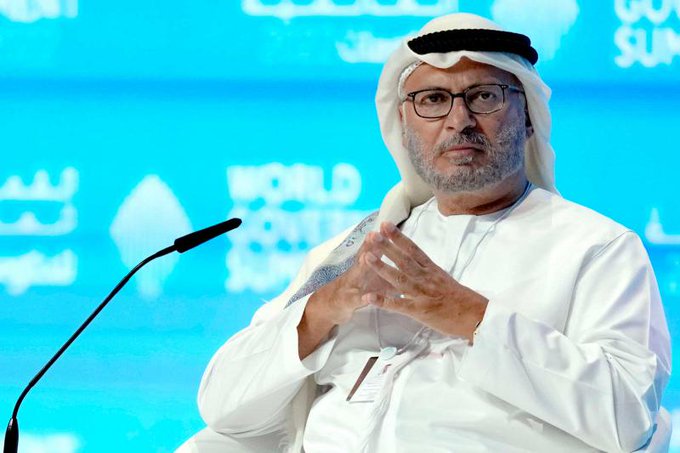
UAE Warns Strait of Hormuz Must Remain Open, Calls for Comprehensive Iran Deal

Abu Dhabi, April 2026 : Senior UAE official Anwar Gargash has stressed that any resolution to the ongoing US-Iran conflict must guarantee free navigation through the strategically vital Strait of Hormuz, warning that a partial or weak settlement could trigger a more dangerous and unstable Middle East.
Speaking at a weekend briefing, Gargash, who serves as diplomatic adviser to the UAE president, underscored that the Strait of Hormuz — through which nearly a fifth of the world’s oil and gas supplies pass — cannot be used as leverage in geopolitical disputes. He described its security as a global economic necessity rather than a regional bargaining chip.
“The Strait of Hormuz cannot be held hostage by any country,” Gargash said, adding that uninterrupted maritime access must be a core element of any peace agreement. He emphasised that freedom of navigation is essential not just for Gulf nations but for the stability of global energy markets.
While reiterating the UAE’s desire for an end to the conflict, Gargash cautioned against a ceasefire that fails to address the root causes of regional instability. He highlighted concerns over Iran’s nuclear ambitions and its continued use of missiles and drones, which he said have contributed significantly to escalating tensions.
“We do not want further escalation, but a ceasefire that ignores the underlying issues will only create a more volatile environment,” he said, pointing specifically to Iran’s weapons programmes as key challenges that must be addressed in any lasting solution.
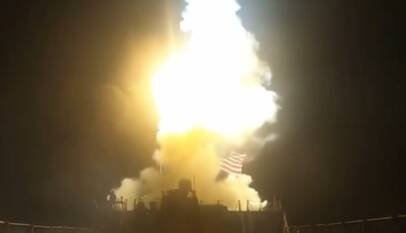
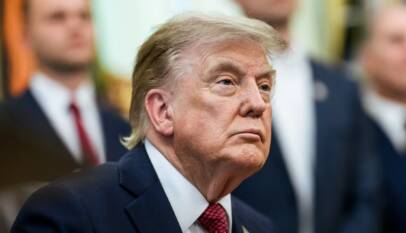
The remarks come amid heightened tensions following warnings from Donald Trump, who has threatened severe consequences if Iran does not reopen the Strait of Hormuz and reach a deal within a specified timeline. The ongoing conflict, which began on February 28 after joint US and Israeli strikes on Iranian targets, has seen weeks of missile and drone exchanges across the region.
According to regional accounts, Iran has targeted US military bases, Israeli positions, and key infrastructure across the Gulf, including energy facilities, ports, and airports. The UAE, officials say, has faced some of the heaviest attacks among Gulf states, intensifying concerns about regional security.
Gargash noted that the UAE is prepared to cooperate with international partners, including the United States, to secure shipping routes in the Strait. He indicated that Abu Dhabi would support any coordinated global effort to ensure safe passage through the waterway, which remains critical for international trade and energy supply chains.
The disruption of shipping in the Strait has already contributed to a global energy crisis, with reduced traffic and heightened risks affecting oil prices and supply stability. Gargash described the current situation as one of the most serious challenges the region has faced in decades.
Reflecting on the broader implications of the conflict, he said the scenario unfolding today had long been considered a worst-case possibility for the UAE — a direct and sustained confrontation involving Iran. Despite this, he expressed confidence in the country’s resilience, noting that the UAE’s economic fundamentals remain strong and capable of supporting recovery once stability returns.
Gargash also suggested that Iran’s actions could have unintended strategic consequences. Rather than weakening US influence in the region, he said, Tehran’s approach may further strengthen security ties between Gulf nations and Washington, while also increasing Israel’s role in regional dynamics.
He reaffirmed that the United States remains the UAE’s primary security partner and indicated that Abu Dhabi would deepen this relationship as threats evolve. At the same time, he acknowledged that Gulf countries had previously sought to balance relations with both Washington and Tehran, aiming to avoid direct confrontation and maintain economic stability.
However, recent developments, including attacks on energy infrastructure and shipping lanes, have altered that calculus. Gargash said such actions appear designed to raise the cost of the conflict for Gulf states, potentially pressuring them to influence US policy.
Despite the tensions, Gargash emphasised that the UAE does not seek hostility with Iran. However, he expressed scepticism about rebuilding trust under the current Iranian leadership, suggesting that Tehran’s priorities appear focused on regime survival rather than broader national or regional stability.
He also acknowledged international support received during the crisis, highlighting strong backing from allies such as France and the United States, particularly in strengthening the UAE’s defence capabilities.
As the conflict continues, Gargash’s remarks underscore growing concerns among Gulf nations about the long-term implications of instability in the region. With energy security, geopolitical alignments, and economic resilience at stake, the call for a comprehensive and durable resolution is becoming increasingly urgent.
(The content of this article is sourced from a news agency and has not been edited by the Mavericknews30 team.)



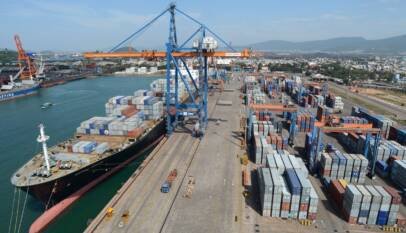
Delivery Of Second Indigenous Diving Support Vessel – ‘Nipun’
‘Nipun’ the second Diving Support Vessel (DSV), built by Hindustan Shipyard Limited&n…
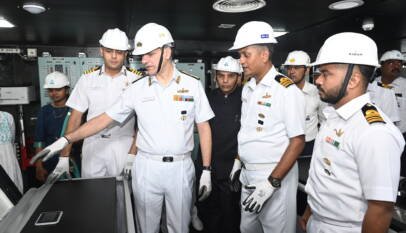
Delivery Of Second Indigenous Diving Support Vessel – ‘Nipun’
‘Nipun’ the second Diving Support Vessel (DSV), built by Hindustan Shipyard Limited was delivered to the …