Iran Signals ‘Progress’ in Talks with US but Says Final Deal Still Distant

Tehran, April 2026 : Iran has indicated that there has been some “progress” in its ongoing discussions with the United States, but cautioned that a final agreement remains distant, with the current two-week ceasefire set to expire on April 22.
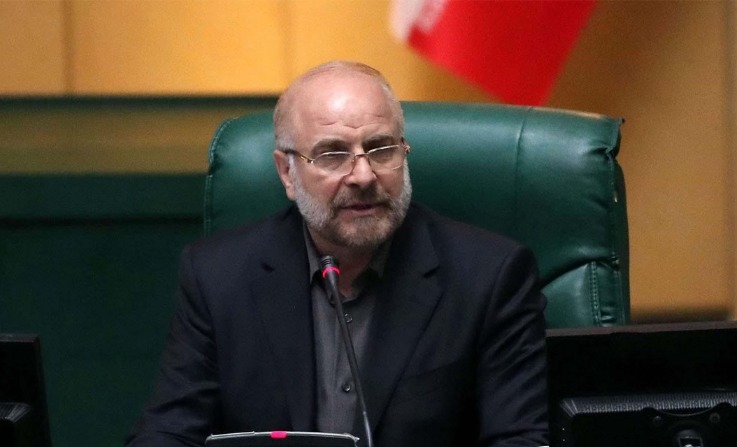
Speaking in a televised address, Iranian Parliament Speaker Mohammad Bagher Ghalibaf said that despite continued dialogue, significant differences persist between the two sides. “There are many gaps and some fundamental points remain,” he said, adding that negotiations have not yet reached a decisive stage.
“We are still far from the final discussion,” Ghalibaf noted, indicating that while diplomatic engagement is ongoing, a comprehensive resolution is yet to be achieved.
He also claimed that Iran has maintained a strategic advantage during recent weeks of conflict, suggesting that Tehran agreed to the temporary ceasefire only after its conditions were acknowledged by Washington. “If we accepted the ceasefire, it was because they accepted our demands,” he said, referring to the United States.
Highlighting Iran’s position, Ghalibaf argued that the US had failed to achieve its objectives, while Iran continued to assert control over the Strait of Hormuz, a critical maritime route for global energy supplies. He described negotiations as part of a broader strategy, saying, “The enemy sought to impose its demands, but for us, negotiation is a method of asserting our rights.”
In a parallel development, Iran’s Supreme National Security Council (SNSC) reiterated that the country will continue to exercise strict control over maritime traffic through the Strait of Hormuz until the conflict is fully resolved and lasting peace is established in the region.
The statement followed an earlier announcement by Iran’s military command, Khatam al-Anbiya Central Headquarters, confirming the resumption of tight oversight of the waterway. Iran cited the ongoing US naval blockade targeting its vessels and ports as the reason for maintaining strict control.
According to Iranian media reports, the SNSC has outlined measures to regulate shipping through the strait. These include requiring vessels to provide detailed information, issuing passage permits, charging fees for security and environmental services, and directing maritime traffic in line with Iranian regulations and wartime protocols.
The Strait of Hormuz remains one of the world’s most vital shipping lanes, carrying a significant share of global oil exports. With the ceasefire deadline approaching and key differences unresolved, the situation continues to be closely watched, as both diplomatic efforts and strategic positioning shape the next phase of the standoff.
(The content of this article is sourced from a news agency and has not been edited by the Mavericknews30 team.)






Microsoft Cuts 4,800 Jobs as AI Investments Reshape Business Strategy
New Delhi, July 2026: Microsoft has announced another major round of layoffs, cutting appr…
favorite article 403074
favorite article 403074