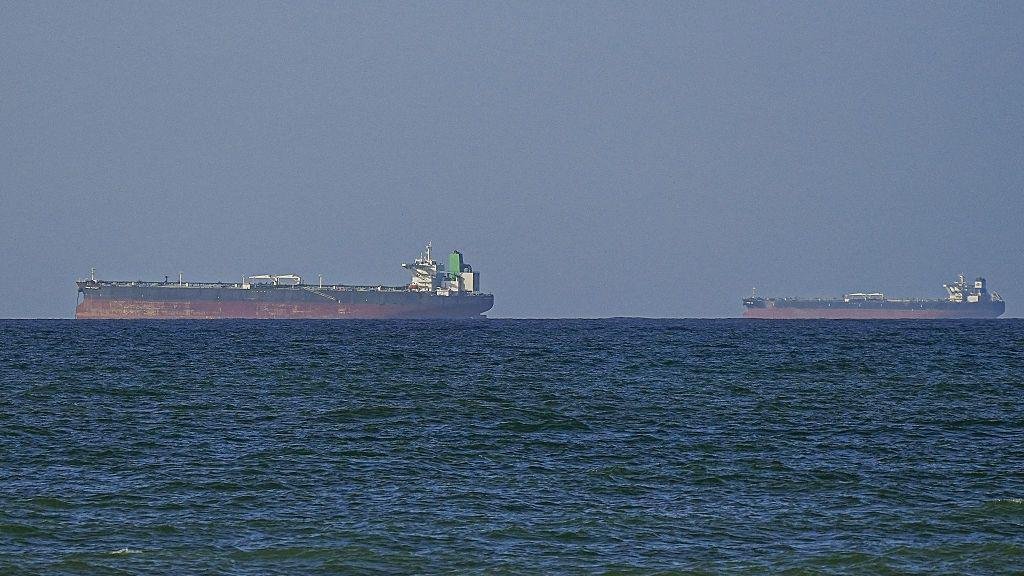
Iran to Maintain Strict Control Over Strait of Hormuz Until End of Conflict, Says Security Council

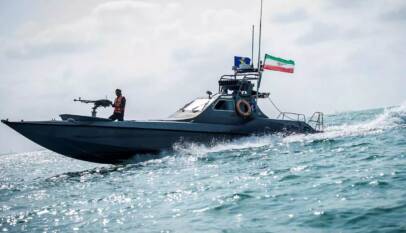
Tehran, April 2026 : Iran’s Supreme National Security Council (SNSC) has declared that the country will continue to exercise full control and supervision over maritime traffic through the strategically vital Strait of Hormuz until the ongoing conflict is conclusively resolved and lasting peace is established in the region.
The announcement follows an earlier statement by Iran’s central military command, Khatam al-Anbiya Central Headquarters, which confirmed the resumption of strict oversight of the waterway. The move comes amid continued tensions with the United States, particularly over Washington’s naval blockade targeting Iranian vessels and ports.
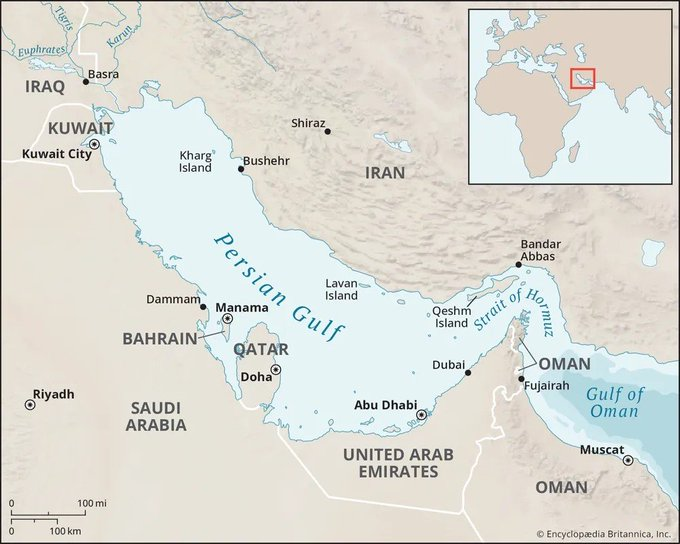
According to Iranian media reports, the SNSC outlined a comprehensive framework for managing maritime movement through the strait. This includes requiring vessels to provide detailed information, obtaining passage permits, and paying fees for security and environmental services. Additionally, Iran will regulate ship movements in accordance with its own rules and wartime protocols.
The council warned that any attempt by what it described as “the enemy” to disrupt maritime transit—such as imposing or continuing a naval blockade—would be considered a violation of the ongoing two-week ceasefire. It added that under such circumstances, Iran would block any conditional or partial reopening of the strait.
The SNSC also highlighted the strategic importance of the Strait of Hormuz, noting that a significant portion of logistical supplies for United States military bases in West Asia passes through the route. It described this as a direct threat to both Iranian and regional security, reinforcing its justification for tighter control.
In a parallel development, Iran confirmed that it has received new proposals from the United States, delivered through Pakistan during a recent visit by Pakistan Army Chief Asim Munir. Iranian authorities are currently reviewing these proposals, though the SNSC emphasized that the country’s negotiating team would not compromise on national interests and would continue to defend them firmly.
Tensions around the Strait of Hormuz have been escalating since February 28, when Iran tightened its grip on the passage following joint military strikes by the United States and Israel on Iranian territory. Diplomatic efforts to ease tensions suffered a setback after peace talks held in Islamabad failed to produce a breakthrough, prompting the United States to impose a naval blockade targeting ships linked to Iran.
Earlier on Friday, Iran’s Foreign Minister Seyed Abbas Araghchi had stated that the strait would remain “completely open” to commercial shipping during the duration of the ceasefire, which began on April 8. His remarks were in line with broader regional de-escalation efforts, including a truce linked to developments in Lebanon.
However, the situation shifted again on Saturday, when Khatam al-Anbiya Central Headquarters announced the reimposition of strict controls due to the continued US naval blockade.
With both sides maintaining firm positions, the Strait of Hormuz remains at the center of a deepening geopolitical standoff, raising concerns over global trade and energy security.
(The content of this article is sourced from a news agency and has not been edited by the Mavericknews30 team.)



Deepti’s Five-Wicket Magic Powers India to Dominant Win Over Pakistan
Birmingham, June 2026 : India launched their ICC Women’s T20 World Cup 2026 campaign in co…

Deepti’s Five-Wicket Magic Powers India to Dominant Win Over Pakistan
Birmingham, June 2026 : India launched their ICC Women’s T20 World Cup 2026 campaign …