Balancing the Soil, Sustaining the Future: ICAR-CIFRI Spearheads the Campaign on the Balanced Use of Fertilisers for Sustainable Agriculture

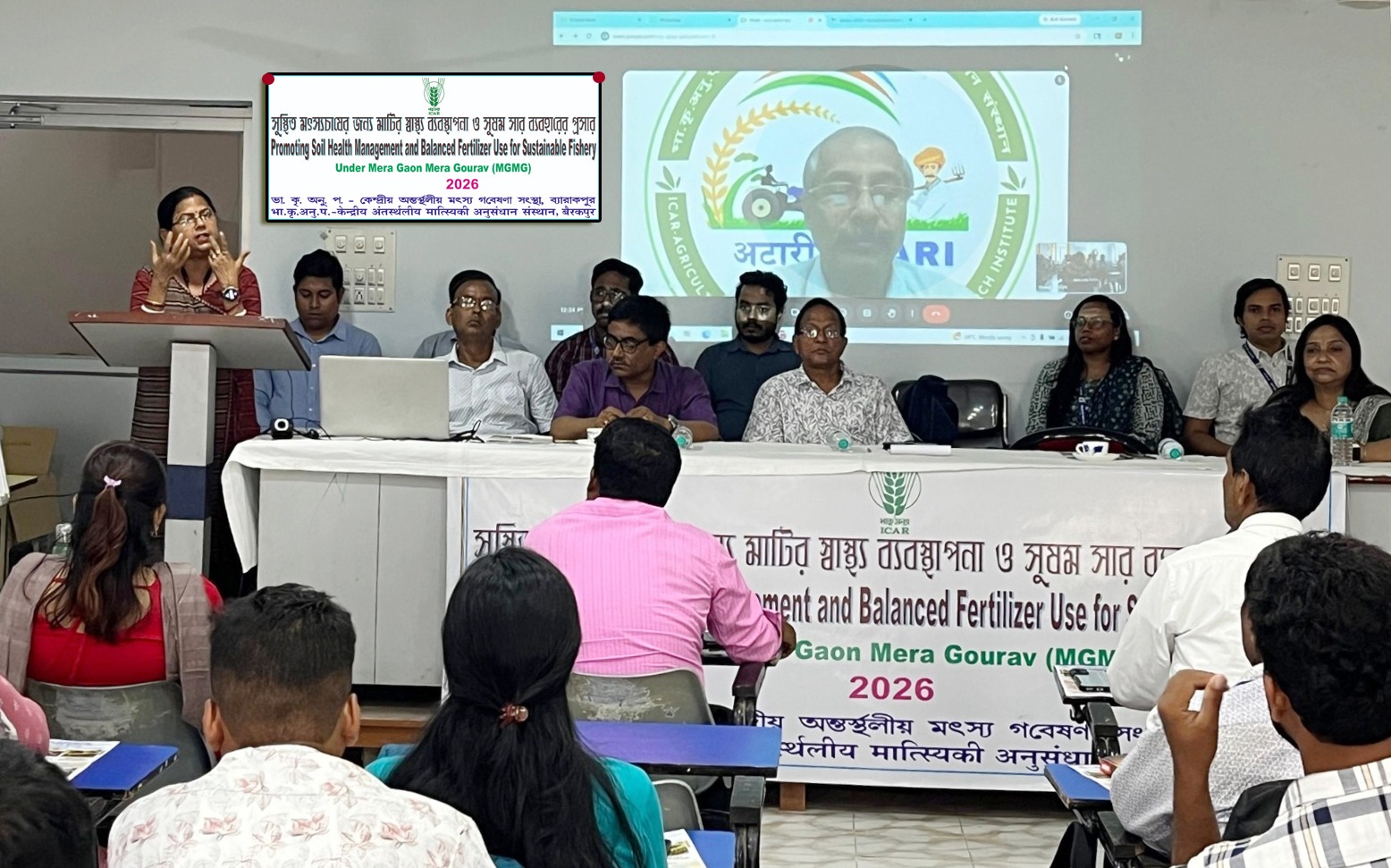
Hooghly, April 2026 : In a decisive stride towards sustainable and resilient agriculture, ICAR-Central Inland Fisheries Research Institute (CIFRI), Barrackpore, in collaboration with Krishi Vigyan Kendra (BCKV) Hooghly, organized a high-impact Farmer Awareness Campaign on the balanced use of fertilisers under the theme “Alternatives to Chemical Fertilizers: The Path to Sustainable and Prosperous Agriculture” in Hooghly district today. The initiative echoed the Government of India’s strong push for balanced fertilization as a cornerstone of sustainable agricultural transformation—focusing on restoring soil health, enhancing nutrient use efficiency, and safeguarding environmental integrity.
The campaign brought into sharp focus the pivotal role of balanced nutrient management in sustaining soil fertility and boosting productivity within integrated farming systems. With a distinctive emphasis on fisheries, it underscored the intricate linkage between fertilizer application, aquatic ecology, water quality, and fish growth—reinforcing the need for precise and scientific nutrient management across both agriculture and inland aquaculture.
The programme was virtually inaugurated by Dr. Pradip Dey, Director, ICAR-ATARI Kolkata and Director (Additional Charge), ICAR-CIFRI, who urged farmers to adopt soil test–based fertiliser application using Soil Health Cards, integrate micronutrients, and promote green manuring to enhance soil organic matter and farm profitability. Emphasizing Integrated Nutrient Management (INM), he advocated balanced use of fertilizers—including NPK complexes and SSP—while cautioning against indiscriminate use of urea and DAP to ensure long-term soil health and sustainability.
Dr. Poornima Halder, Joint Director of Agriculture (Rice Development), Rice Research Station, Chinsurah , Government of West Bengal, delivered insightful deliberations on the balanced use of fertilisers, highlighting pathways to enhance crop productivity while safeguarding environmental sustainability.
The expert team—comprising members from the Rice Research Station, Government of West Bengal; Dr. Chiroshree Ganguly; Dr. Sitesh Chatterjee; the ICAR-CIFRI team led by Dr. Archan Kanti Das (with Mr. Roshith C. M., Mr. Satish K. Koushlesh, and Dr. Canciyal Johnson); and the KVK Hooghly team including Dr. Nitai Mudi, Dr. Biswajit Sarkar, Dr. Sayan Sau, Dr. Nikhil Gayen, Sri Saikat Saha, and Sri Sayak Das—collectively underscored the urgent need to transition from input-intensive practices to Integrated Nutrient Management (INM), advocating a balanced integration of chemical, organic, and biological nutrient sources.
Farmers were encouraged to adopt farmyard manure, green manures like dhaincha, vermicompost, and crop residue recycling to rejuvenate soil structure and microbial vitality. The role of biofertilizers such as Rhizobium and phosphate-solubilizing bacteria was emphasized as key drivers of efficient nutrient uptake and sustained soil fertility. Importantly, the programme highlighted the synergistic benefits of integrating fisheries with agriculture—unlocking pathways for nutrient recycling, improved pond productivity, and enhanced farm income.
Aligning with national missions, the campaign sensitized farmers to flagship initiatives such as the Soil Health Card Scheme, Nutrient-Based Subsidy Scheme, and the use of neem-coated urea for improved nitrogen efficiency. It further spotlighted transformative programmes like Paramparagat Krishi Vikas Yojana and PM PRANAM Scheme, alongside emerging innovations such as nano fertilizers for precision nutrient delivery.
The programme also reinforced the importance of soil test-based fertilization, site-specific nutrient management, and customized fertilizer use. Farmers were introduced to regenerative practices—including crop rotation, cover cropping, and minimal soil disturbance—designed to rebuild soil organic carbon and ensure long-term sustainability.
An engaging interactive session enabled farmers to voice field-level challenges and co-develop practical solutions with experts, significantly strengthening their confidence in adopting sustainable nutrient management practices. The campaign concluded on a high note, with participating farmers expressing strong interest in embracing these approaches and advocating for wider on-field dissemination.
A total of 28 progressive farmers actively participated, engaging in vibrant interactions with scientists from ICAR-CIFRI, KVK Hooghly, and the Rice Research Station Chinsurah.
This initiative stands as a compelling example of how ICAR-CIFRI continues to translate national priorities into grassroots action—bridging science and practice to foster resilient farming systems, sustainable aquaculture, and prosperous rural livelihoods.



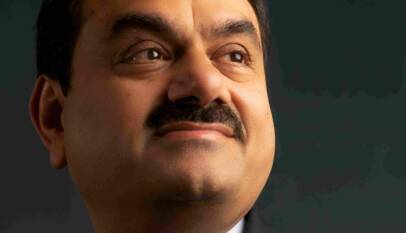
Adani Group Invests ₹1.5 Lakh Crore in Record Year, Charts Infrastructure and AI-Led Growth Path
Ahmedabad, June 2026 : Adani Group Chairman Gautam Adani used the company’s Annual General…
Adani Group Invests ₹1.5 Lakh Crore in Record Year, Charts Infrastructure and AI-Led Growth Path
Ahmedabad, June 2026 : Adani Group Chairman Gautam Adani used the company’s Annual General …