Glaucoma Prevalence in Asia on the Rise – Medical Community Advocates for Early Screening

Glaucoma is a progressive optic neuropathy characterised by the loss of retinal ganglion cells and their axons, leading to optic nerve damage due to an abrupt & persistent rise in intraocular pressure, i.e., pressure inside the eyeball, leading to irreversible vision loss.
The most common form of glaucoma is Primary Open-angle Glaucoma (POAG), which accounts for approximately 80% of all glaucoma cases.
Early-Stage Clinical Features –
- Gradual and Painless Loss of Vision: Often starts from the periphery and progresses slowly.
- Raised Intraocular Pressure (IOP): Elevated IOP is a hallmark of glaucoma, but it may not always be present.
- Optic Disc Cupping: Enlargement of the optic disc cup, which can be detected during a
fundoscopic examination.
- Retinal Nerve Fibre Layer Thinning: Thinning of the retinal nerve fibre layer, which can be
detected using optical coherence tomography (OCT).
- Visual Field Defects: Loss of peripheral vision, which can be detected using visual field testing.
Advanced-Stage Clinical Features –
- Severe Vision Loss: Significant vision loss can progress to blindness if left untreated.
- Optic Disc Pallor: Pallor of the optic disc, which can indicate advanced glaucoma.
- Retinal Nerve Fibre Layer Loss: Significant loss of the retinal nerve fibre layer can be detected
using OCT.
- Visual Field Loss: Significant loss of visual field, which can be detected using visual field testing.
Acute Angle-Closure Glaucoma Clinical Features –
- Sudden, Severe Eye Pain: Acute onset of severe eye pain, often accompanied by nausea and vomiting.
- Blurred Vision: Sudden loss of vision, often accompanied by halos around lights.
- Redness and Swelling: Redness and swelling of the eye, often accompanied by a cloudy cornea.
- Increased IOP: Markedly elevated IOP, often above 40 mmHg.
These clinical features can vary depending on the glaucoma type and the stage of the disease. A comprehensive eye examination is necessary to diagnose glaucoma and monitor its progression.
Importance of Early Detection –
Glaucoma is a treatable condition. Hence, early detection of glaucoma is crucial to prevent irreversible vision loss. Glaucoma can be treated with medications, laser surgery, or incisional surgery to reduce IOP and slow disease progression. But latest scientific developments have demonstrated the fact that meditations are the most powerful & effective mechanism to curb Glaucoma. However, once vision is lost, it cannot be restored.
Risk Factors – Glaucoma risk factors can be classified into modifiable and non-modifiable categories:
Modifiable Risk Factors are:
- Intraocular Pressure (IOP): Elevated IOP is the most significant risk factor for glaucoma.
- Systemic Hypertension: High blood pressure can increase the risk of glaucoma.
- Diabetes Mellitus: Diabetes can increase the risk of glaucoma, particularly in people with a family history.
- Obesity: Obesity can increase the risk of glaucoma, particularly in people with a family history.
- Sedentary Lifestyle: A sedentary lifestyle can increase the risk of glaucoma.
Non-Modifiable Risk Factors are:
- Age: Glaucoma risk increases with age, especially after 40 years.
- Family History: A family history of glaucoma increases the risk, especially if a first-degree relative has glaucoma.
- Ethnicity: African Americans, Hispanics, and Asians are at higher risk of developing glaucoma.
- Myopia: High myopia (nearsightedness) can increase the risk of glaucoma.
Glaucoma affects approximately 80 million people worldwide, with 11.2 million people at risk of losing their vision. In India, the prevalence of glaucoma is estimated to be around 3.8% of the population above 40 years. The incidence of glaucoma is expected to rise due to the increasing ageing population and other risk factors. The number of people with glaucoma worldwide will increase to 111.8 million in 2040, disproportionately affecting people residing in Asia. The gradual increase by 2040 shows the
importance of knowing about and controlling this by making people achieve prevention better than cure through early and prompt recognition.
Glaucoma Week (9th March to 15th March) Glaucoma Week is observed annually to raise awareness about glaucoma, its risk factors, and the importance of early detection. The week-long campaign aims to educate people about the silent nature of glaucoma and the need for regular eye check-ups to prevent vision loss. Glaucoma is often referred to as the “silent killer of vision” because it can cause vision loss without any noticeable symptoms in the early stages. Knowing the clinical features, risk factors, and importance of early detection is essential to prevent irreversible vision loss. It can be either an acute presentation or a chronic one. Let us observe Glaucoma Week by spreading awareness and encouraging people to prioritise their eye health.
Diagnosis and Treatment –
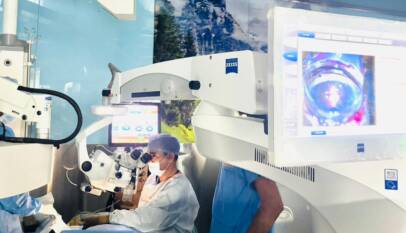
Diagnosing glaucoma involves a comprehensive eye examination, including: 1. Visual Acuity Test 2. Tonometry (IOP measurement) 3. Ophthalmoscopy (examination of the optic disc and retina) 4. Visual Field Testing 5. Optical Coherence Tomography (OCT).
The imaging Treatment Options for Glaucoma include:
- Medications (eye drops or oral medications) to reduce Intra Ocular Pressure (IOP).
- Laser surgery (trabeculoplasty or iridotomy) to improve drainage or reduce IOP
- Incisional surgery (trabeculectomy or glaucoma drainage devices) to create a new drainage
Pathway.
Team Maverick





Sonia Gandhi Discharged from Hospital After Recovery
New Delhi, March 2026 : Senior Congress leader Sonia Gandhi was discharged from Sir Ganga …

Sonia Gandhi Discharged from Hospital After Recovery
New Delhi, March 2026 : Senior Congress leader Sonia Gandhi was discharged from Sir …