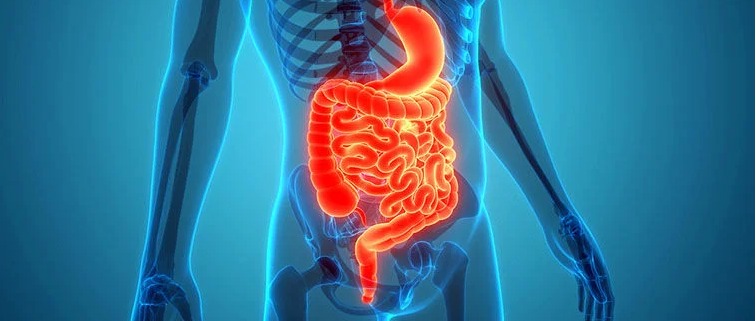
Gut Microbiome May Hold Key to Combating Depression and Anxiety, Finds Global Study

New Delhi, Oct 2025 : The gut microbiome — the trillions of microorganisms living in the human digestive system — may play a crucial role in improving depression, anxiety, and other mental health disorders, according to a groundbreaking study.
The research, conducted by scientists at the University of South Australia, explored the deep and complex communication between the gut and the brain, offering new insights into how this connection influences mental health and overall wellbeing.
Published in the journal Nature Mental Health, the study provides the strongest evidence yet that changes in gut bacteria can directly alter brain chemistry, potentially paving the way for innovative treatments for psychiatric conditions.
“The gut–brain connection is one of the most exciting frontiers in mental health research,” said Srinivas Kamath, lead author and doctoral candidate at the university. “We already know that the trillions of microbes in our digestive system communicate with the brain through chemical and neural pathways, influencing mood, stress, and even cognition.
“But the big question is whether these microbial changes actually cause mental illness, or if they simply reflect what’s happening elsewhere in the body,” Kamath added.
The research team reviewed several studies and found strong causal evidence from animal models showing that gut microbes can alter brain chemistry, stress responses, and behaviour. They also identified disrupted gut microbiome patterns in individuals with mental health conditions such as depression and schizophrenia.
Early clinical trials have also shown promise. Probiotic supplements, dietary changes, and even faecal microbiota transplants have demonstrated improvements in mood and anxiety. Conversely, some psychiatric medications have been found to alter the gut microbiome — further underscoring the two-way communication between gut health and mental wellbeing.
Globally, mental health disorders affect nearly 970 million people, with depression and anxiety ranking among the top causes of disability. Alarmingly, nearly one-third of patients do not respond to existing medications or therapies, underscoring the need for new, accessible, and affordable treatment options.
“If we can prove that gut bacteria play a direct role in mental illness, it could transform how we diagnose, treat, and even prevent these conditions,” said Dr. Paul Joyce, co-researcher of the study.
He added that microbiome-based therapies — such as probiotics, prebiotics, or personalized diets — could offer safer, low-cost, and culturally adaptable alternatives to traditional treatments.
The researchers called for long-term and large-scale studies across diverse populations to better understand how diet, environment, lifestyle, and culture influence the gut-brain axis.
They concluded that decoding the microbiome’s role in mental health could open a new frontier in psychiatry, blending nutrition, neuroscience, and microbiology to promote both physical and emotional resilience.
(The content of this article is sourced from a news agency and has not been edited by the Mavericknews30 team.)







Viren Rasquinha Questions India Hockey Team’s New Saffron Jersey
New Delhi, July 2026 : Former India hockey captain Viren Rasquinha has criticised Hockey I…

Viren Rasquinha Questions India Hockey Team’s New Saffron Jersey
New Delhi, July 2026 : Former India hockey captain Viren Rasquinha has criticised Hockey …