Sirpur: The Confluence of Culture, History, and Spirituality — Where History Speaks, Culture Smiles, and Spirituality Breathes

Raipur, Oct 2025 : Nestled in the Mahasamund district of Chhattisgarh, Sirpur (Shripur) is not just an archaeological site—it is a living symbol of India’s cultural, religious, and historical heritage. Once the capital of the great emperor Mahashivagupta Balarjuna, Sirpur is renowned for its architectural brilliance, Buddhist legacy, and ancient temples.

References to Sirpur are found in ancient Indian texts and inscriptions, and the site reveals remains of shrines dedicated to Lord Shiva, Vishnu, Buddha, and Jain deities. The 7th-century Chinese traveler Hiuen Tsang (Xuanzang) also mentioned Sirpur in his travel accounts, attesting to its international prominence. The town stands as a remarkable example of religious harmony and artistic excellence, with excavations uncovering 22 Shiva temples, 5 Vishnu temples, 3 Jain viharas, and a grand Buddhist monastery.
The Archaeological Survey of India (ASI) continues preservation and restoration efforts to maintain Sirpur’s grandeur. Modern technologies such as digital tours, QR-code-based information systems, and 3D guidance tools are being introduced to enhance visitor experience and conservation.
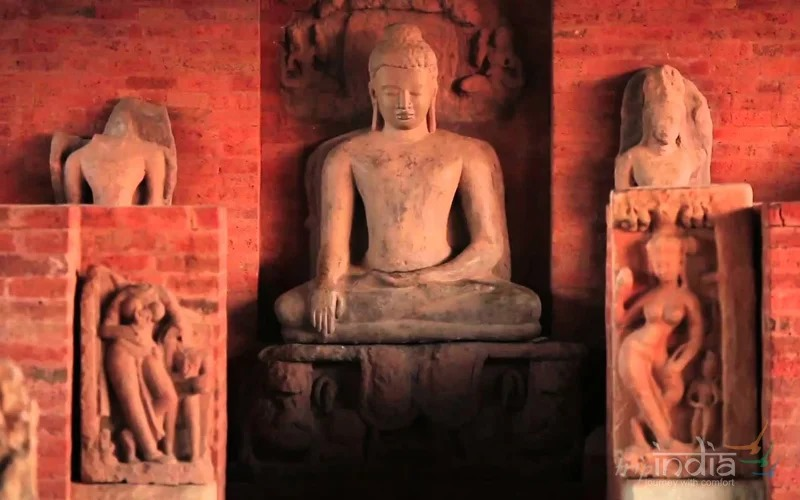
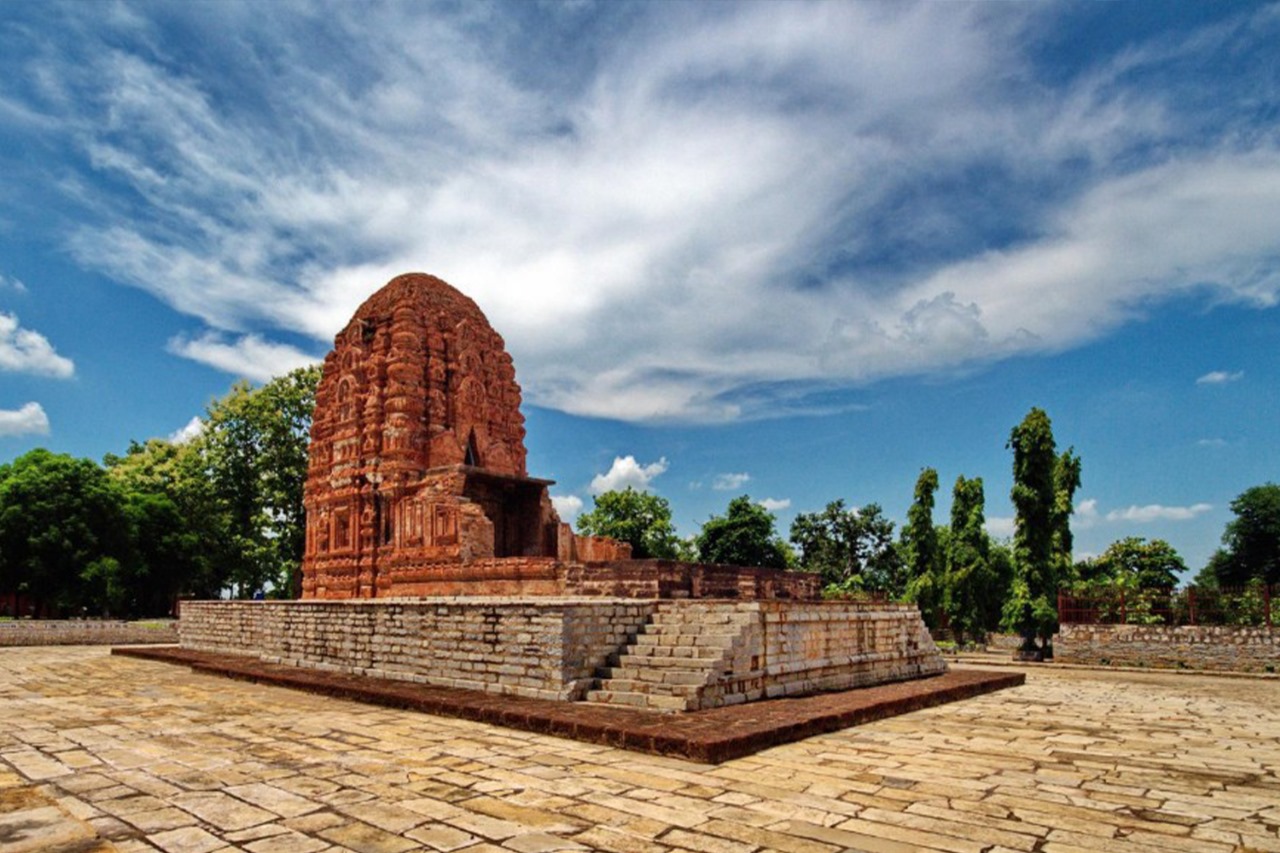
Sirpur represents a unique confluence of Buddhist, Jain, and Hindu architecture. The Lakshman Temple, India’s first brick-built temple, is a masterpiece of early temple architecture. The Anandprabhu Kutir Vihar served as a major center for Buddhist monks, including those who came from China. The Gandheshwar Temple, dedicated to Lord Shiva, houses numerous sculptures and cultural motifs. Sirpur’s ruins were first discovered in 1872 by Alexander Cunningham, after which several excavations revealed abundant evidence of Buddhist, Vaishnavite, Shaivite, and Jain traditions. Scholars from China, Japan, and South Korea regard Sirpur as a significant site in Asia’s Buddhist heritage.
The annual Sirpur Festival has become a vibrant emblem of Chhattisgarh’s cultural identity, attracting artists from across India and abroad who perform classical dance, music, and theatre. Initiatives such as eco-trails, handicraft centers, and local eateries are promoting tourism and providing livelihood opportunities to local communities. Educational programs have also been launched to familiarize students with Sirpur’s historical treasures.
The Chhattisgarh government has set a vision to place Sirpur on the global tourism map. Under Vision 2047, plans are underway to develop modern infrastructure, including roads, lighting, and an international-standard tourist corridor. Advanced technologies are being deployed to preserve Sirpur’s archaeological monuments for future generations.
Sirpur is not merely a heritage site—it is a spiritual and cultural soul of India. Its temples, monasteries, sculptures, and living traditions remind us that India’s essence lies in its unity of culture, tolerance, art, and wisdom. Truly, Sirpur is that divine land where history speaks, culture smiles, and spirituality breathes.








China Open: Lakshya, Sindhu and Ayush Shetty Advance to Second Round After Gritty Wins
Changzhou (China), July 2026 : India’s top badminton stars Lakshya Sen, P.V. Sindhu …

China Open: Lakshya, Sindhu and Ayush Shetty Advance to Second Round After Gritty Wins
Changzhou (China), July 2026 : India’s top badminton stars Lakshya Sen, P.V. Sindhu and …