Mission Renew Britain: UK To End Study Visas For Myanmar, Afghanistan, Cameroon, Sudan Students.

London; March 2026: With the rising anti-immigration sentiment in the United Kingdom, says it will end study visas for students from 04 countries namely: Afghanistan, Cameroon, Myanmar and Sudan, and work visas for Afghans.
The UK Home Office said in a statement yesterday late evening (local time – today early morning IST) that “an ’emergency brake’ on visas has been imposed for the first time on nationals from four countries”, following a surge in asylum claims by students on study visas.
The Home Office said the number of asylum applications by students from Afghanistan, Cameroon, Myanmar and Sudan had “rocketed” by more than 470% between 2021 and 2025. “Britain will always provide refuge to people fleeing war and persecution, but our visa system must not be abused”, Secretary of State for the Home Department Shabana Mahmood said. “That is why I am taking the unprecedented decision to refuse visas for those nationals seeking to exploit our generosity”, Mahmood said.
Migration has become a major issue in UK politics with the hard-right Reform UK surging in opinion polls with its anti-immigration stance. In a bid to assuage public sentiment, which has hardened on migration and stem the rise of the Reform UK party, Prime Minister Keir Starmer’s government has tightened the asylum process and sped up the deportations of those who arrive illegally.
The UK’s Press Association (PA) said the visa ban will be officially introduced via an immigration rules change on 05th March 2026, and Home Secretary Mahmood is expected to lay out a tougher asylum process in a speech on the same day. According to the Press Association, in plans already flagged by the government, new rules are expected to come into force that will see asylum seekers in the UK face a review of their refugee status every 30 months, in what is seen as a way to make the country less attractive for those seeking asylum.
The Home Office said that although the government has “reduced student asylum claims by 20% over the course of 2025, further action is needed as those arriving on study visas still make up 13% of all claims in the system”.
Mission Renew Britain which is the Labour Party’s central governing agenda launched by Prime Minister Keir Starmer in 2024 to reverse national decline through “national renewal”.
Earlier, while introducing the mission Prime Minister Keir Starmer had envisaged that to make sure change is felt by working people across the country over the course of this Parliament, “we must focus our missions – prioritising clear, measurable milestones for each”. The Prime Minister further had asserted –
- “Raising living standards in every part of the United Kingdom, so working people have more money in their pocket as we aim to deliver the highest sustained growth in the G7.
- Building 1.5 million homes in England and fast-tracking planning decisions on at least 150 major economic infrastructure projects – more than the last 14 years combined.
- Ending hospital backlogs to meet the NHS standard of 92% of patients in England waiting no longer than 18 weeks for elective treatment.
- Putting police back on the beat with a named officer for every neighbourhood, and 13,000 additional officers, PCSOs and special constables in neighbourhood roles in England and Wales.
- Giving children the best start in life, with a record 75% of 5-year-olds in England ready to learn when they start school.
- Securing home-grown energy, protecting billpayers, and putting us on track to at least 95% clean power by 2030, while accelerating the UK to net zero”.
The British Prime Minister had further reiterated that, “Any one of our milestones would be challenging on their own. Taken together they are the most ambitious yet honest programme for government in a generation.
We are not choosing targets that are easily reached. Instead, we are choosing stretch goals that will make the biggest difference to people’s lives as we deliver a decade of national renewal.
To achieve these milestones, we will need to make tough decisions. The Autumn Budget took the necessary steps to restore economic stability and repair the public finances, and we had already made those difficult decisions, for example in means-testing winter fuel payments.
These are not easy choices, but they are necessary trade-offs to deliver the priorities of working people, while taking a responsible approach to public finances which is required for long-term economic growth.
The Autumn Budget was a once-in-a-Parliament budget to wipe the slate clean to deliver stability. We know we cannot simply tax and spend our way to better public services and delivery of these milestones, nor will we pursue them at any cost. That is why our focus will be on reform to ensure that we are delivering these milestones efficiently and through the best use of taxpayer money.
Through taking a zero-based approach to our next Spending Review in spring, we will look at every line of government spending to prioritise our first steps and the milestones. Where programmes do not represent value for money or deliver on their outcomes, we will take the necessary decisions to find savings, as the government did in ending the Rwanda scheme and scrapping outdated military capabilities.
The milestones outlined here relate to areas that the UK government has a direct role in delivering. As we deliver these milestones, where they are devolved matters, we will work in partnership to share best practice and align effort.
Publishing these now will galvanise the effort of government and the country, and will mean every person in this country can see exactly how we measure up to the things that matter to them”.
Team Maverick.



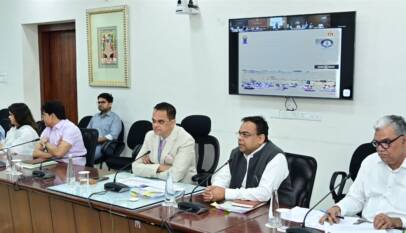
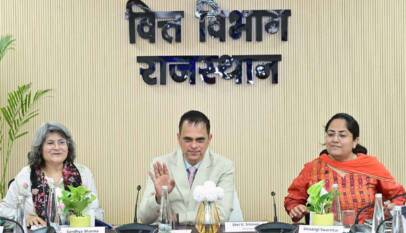

Bengal to Receive Over ₹1,700 Crore for Rural Roads and Employment Schemes, Says Suvendu Adhikari
New Delhi, June 2026 : Senior West Bengal BJP leader Suvendu Adhikari on Monday announced …
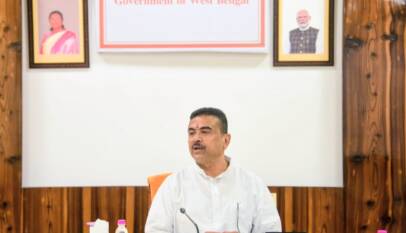
Bengal to Receive Over ₹1,700 Crore for Rural Roads and Employment Schemes, Says Suvendu Adhikari
New Delhi, June 2026 : Senior West Bengal BJP leader Suvendu Adhikari on Monday …