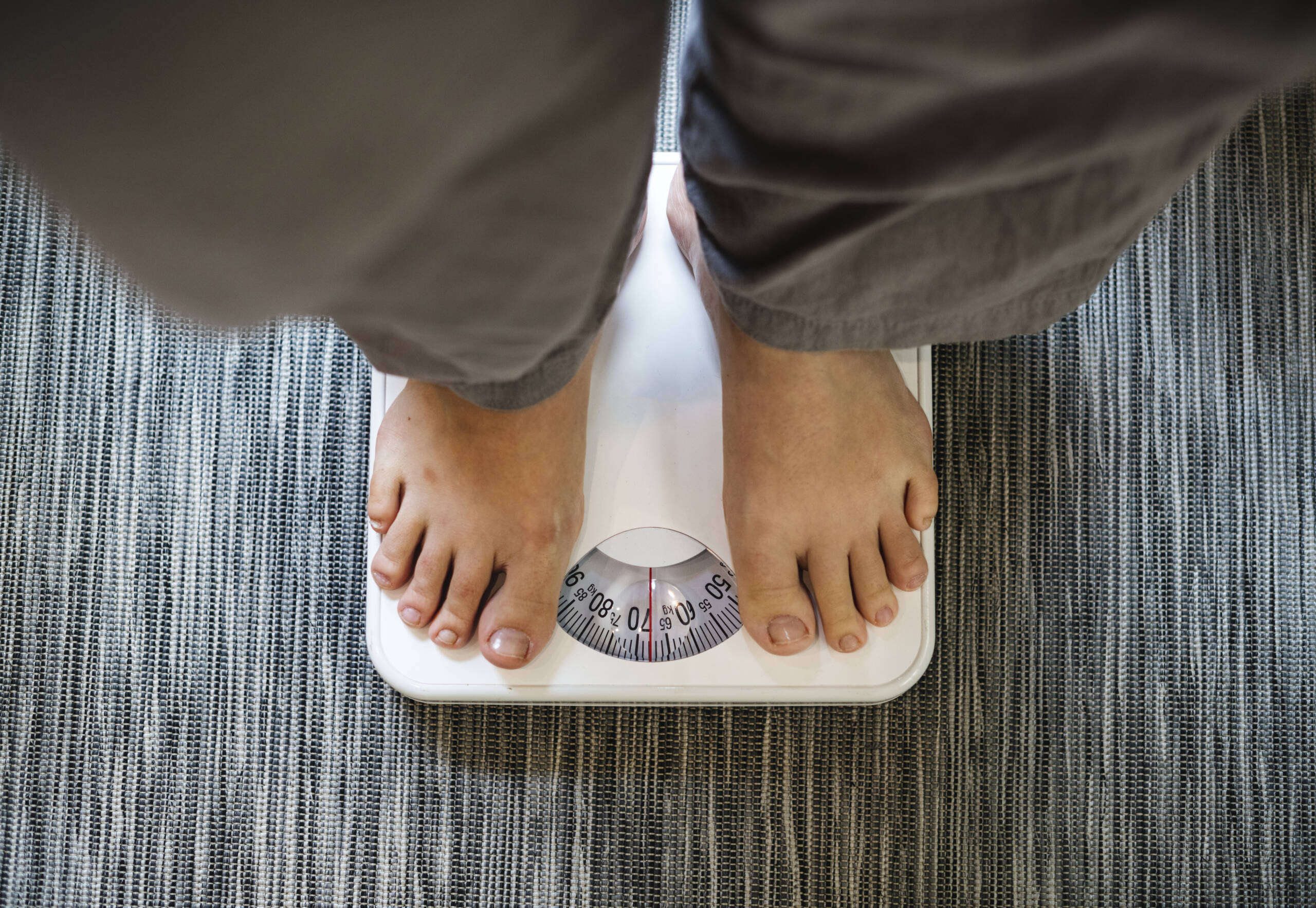
WHO Warns GLP-1 Drugs Alone Cannot Solve Global Obesity Crisis

Dec 2025 : As obesity rises sharply across the world—contributing to millions of preventable deaths every year—the World Health Organisation (WHO) has cautioned that medications such as Glucagon-Like Peptide-1 (GLP-1) therapies, though effective, cannot on their own resolve the global epidemic currently affecting more than one billion people. The warning was issued on Monday as the WHO released its first-ever guideline on the long-term use of GLP-1 therapies for obesity management.
Obesity, defined by the WHO as having a Body Mass Index (BMI) of 30 or higher in adults, has been recognised as a chronic, relapsing condition that requires sustained and comprehensive care. GLP-1 receptor agonists—such as liraglutide, semaglutide, and tirzepatide—are medications that mimic natural hormones to help regulate appetite, lower blood sugar levels, promote weight loss, and reduce complications related to heart and kidney diseases. They have also been shown to reduce the risk of early death in individuals with type 2 diabetes.
However, the global surge in demand for these medications has created an unregulated market for falsified and substandard products, posing a serious threat to patient safety. In light of this growing concern, the WHO’s new guideline provides conditional recommendations for the use of three GLP-1 agents specifically approved for long-term obesity treatment in adults.
The organisation stressed that these therapies should be part of a broader, multi-layered approach to managing obesity—one that includes balanced diets, regular physical activity, behaviour-change support, and professional medical guidance.
“Obesity is a major global health challenge that WHO is committed to addressing by supporting countries and people worldwide to control it effectively and equitably. Our new guidance recognises that obesity is a chronic disease that can be treated with comprehensive and lifelong care,” said WHO Director-General Dr Tedros Adhanom Ghebreyesus.
He added: “While medication alone won’t solve this global health crisis, GLP-1 therapies can help millions overcome obesity and reduce its associated harms.”
Obesity remains a significant driver of noncommunicable diseases including cardiovascular conditions, type 2 diabetes, and several forms of cancer. It also worsens outcomes for patients with infectious diseases and carries a massive economic burden. By 2030, the global financial cost of obesity is projected to reach USD 3 trillion annually, underscoring the urgent need for coordinated global action.
The newly released guidelines reaffirm that GLP-1 therapies may be prescribed for adults—excluding pregnant women—as part of long-term obesity treatment. However, these medications must be complemented by structured behavioural interventions that promote healthier lifestyles. This includes supervised dietary changes, increased physical activity, and ongoing counselling to support lasting change.
The WHO report emphasised that “while GLP-1 therapies represent the first truly efficacious treatment option for adults living with obesity, medicines alone will not solve the problem.” It noted that obesity is not merely a personal health issue but a widespread societal challenge that requires multisectoral action across governments, industries and communities.
The guideline recommends three major strategies:
- Building healthier environments through population-level policies that promote nutritious foods, physical activity, and reduced exposure to harmful products.
- Protecting high-risk individuals through targeted screening programmes and early interventions to prevent obesity and related complications.
- Ensuring equitable access to sustainable, person-centred, long-term care for people living with obesity.
A key concern highlighted in the report is unequal access to GLP-1 therapies. Without deliberate policy interventions, the rising popularity of these drugs could widen existing health disparities between wealthy and low-income populations.
“Even with rapid expansion in production, GLP-1 therapies are projected to reach fewer than 10 per cent of those who could benefit by 2030,” the WHO warned. To address this, the guideline urges the global community to explore solutions such as pooled procurement mechanisms, tiered pricing models, and voluntary licensing agreements to expand access while safeguarding affordability.
The WHO’s guidance aims to help countries reduce escalating healthcare costs associated with obesity while ensuring safer, regulated, and equitable use of GLP-1 therapies.
Team Maverick.
(The content of this article is sourced from a news agency and has not been edited by the Mavericknews30 team.)






Escalation Across the Gulf: Iran Claims Control of Hormuz as Israel Expands Strikes and Global Alarm Mounts
March, 2026 : The Middle East conflict entered a perilous new phase on Wednesday as Iran’s…

Escalation Across the Gulf: Iran Claims Control of Hormuz as Israel Expands Strikes and Global Alarm Mounts
March, 2026 : The Middle East conflict entered a perilous new phase on Wednesday …