Ural Crude Tanker Rates To India Rise On War Risk And Weather Issues.

January 2026: Freight rates for tankers to ship Urals crude from Russia’s western ports to India have risen this month, as bad weather made fewer vessels available, disrupted loading and unloading, and the cost of insuring for war risks increased, industry sources informed.
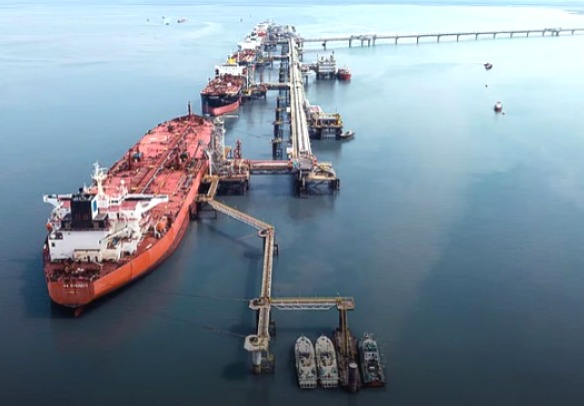
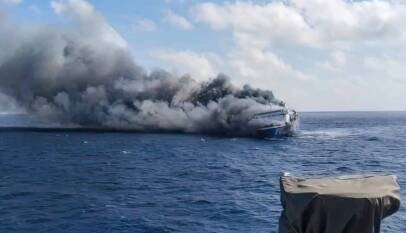
Three Greek managed oil tankers were hit by unidentified drones in the Black Sea on Tuesday, 13th January 2026. They were on their way to load crude at a terminal on Russia’s coast. The attacks come as Kazakhstan’s oil production, most of which is exported via the terminal, cratered in early January. It was not immediately clear who was behind Tuesday’s strikes. Ukraine did not immediately comment. The Caspian Pipeline Consortium (CPC), which operates the terminal where the tankers were due to take on board cargoes, declined to comment on the attack.
Two Suezmax tankers and one Aframax tanker were hit on their way to the Yuzhnaya Ozereyevka terminal. This is a loading point for around 80% of Kazakh crude destined for international markets, according to sources. A Ukrainian drone hit one of three main CPC moorings at the terminal, located near the port of Novorossiysk, on November 29. Oil and gas condensate output in Kazakhstan plunged by 35 per cent between January 1 and January 12 compared to December’s average.
A source familiar with the data told press reporters the drop was mainly due to export constraints via the Black Sea terminal. Kazakhstan’s energy ministry said on Tuesday that CPC was continuing to export oil via one mooring.
Meanwhile, industry operators have flagged that attacks on tankers in the Black Sea could increase both shipping and insurance costs for those seeking to load oil at Russian terminals. These terminals handle more than 02% of global crude.
One of the tankers, the Delta Harmony, is managed by Greece’s Delta Tankers, LSEG data showed. According to the sources, it was expected to load Kazakh-produced oil from Tengizchevroil, a unit of US oil major Chevron. The Delta Supreme, also managed by Delta Tankers, was attacked as well. Delta Tankers did not immediately respond to Reuters’ requests for comment.
The third vessel, Matilda, was chartered by a subsidiary of Kazakhstan’s state-owned KazMunayGas (KMG) and managed by Greece’s Thenamaris. It was expected to load Kazakh oil from Karachaganak when it was struck, the sources added.
A Thenamaris official confirmed that Matilda was hit by two drones while waiting in ballast condition 48 kilometres off CPC’s moorings. KMG also confirmed the attack. “There were no injuries and the ship suffered minor damage to deck structures according to an initial assessment, which is fully repairable. The ship, seaworthy as it is, is now sailing away from the area”, the Thenamaris official said.
Two sources in maritime security said that a fire reportedly broke out on board Matilda and was quickly extinguished. A fourth vessel, the Freud, managed by Greece’s TMS, was also initially believed to have been attacked. TMS later denied that it had been hit. Shareholders in CPC’s 1,500-kilometre pipeline include KazMunayGas, units of Chevron, Russia’s Lukoil and ExxonMobil.
Freight costs to transport Urals from the Baltic ports of Primorsk and Ust-Luga to India for February-loading average around $9 million for Aframax tankers. This is up from about $8 million per one-way voyage in November and December last year. Rates for similar shipments from Russia’s Black Sea port of Novorossiysk by Suezmax tankers, which can hold 140,000 tons, have risen to around $8 million from some $7 million in the previous two months.
Traders said at the end of last year Russian crude exports would fall in January because of higher domestic refinery runs as well as possible weather-related disruption. The reduced need for vessels should limit the rise in freight rates. Shipments of Urals, Siberian Light and KEBCO crude grades via the ports of Primorsk, Ust-Luga and Novorossiysk are forecast to decline to about 2.2 million barrels per day from around 2.4 million bpd in the December plan, according to trading sources and Reuters calculations.
As Greek shipowners reduce their presence in the region, Urals shipments from Russian ports are increasingly handled by tankers from the shadow fleet, sources told Reporters.
Team Maverick.


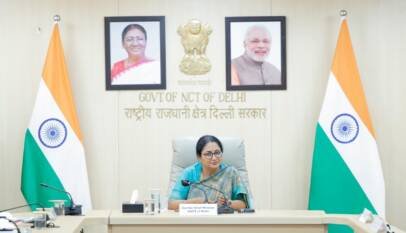


Chief Minister Rekha Gupta inaugurates ‘Arpan Kendra’ at Punjabi Bagh West Metro Station
‘Arpan Kendras’ being set up at 10 major Delhi Metro stations in collaboration with Delhi …

Chief Minister Rekha Gupta inaugurates ‘Arpan Kendra’ at Punjabi Bagh West Metro Station
‘Arpan Kendras’ being set up at 10 major Delhi Metro stations in collaboration with …