6,725 ASHA workers in Delhi to receive direct financial benefit; move to strengthen primary healthcare
Recognising ASHA workers’ contribution and ensuring their financial security is our priority: CM Rekha Gupta
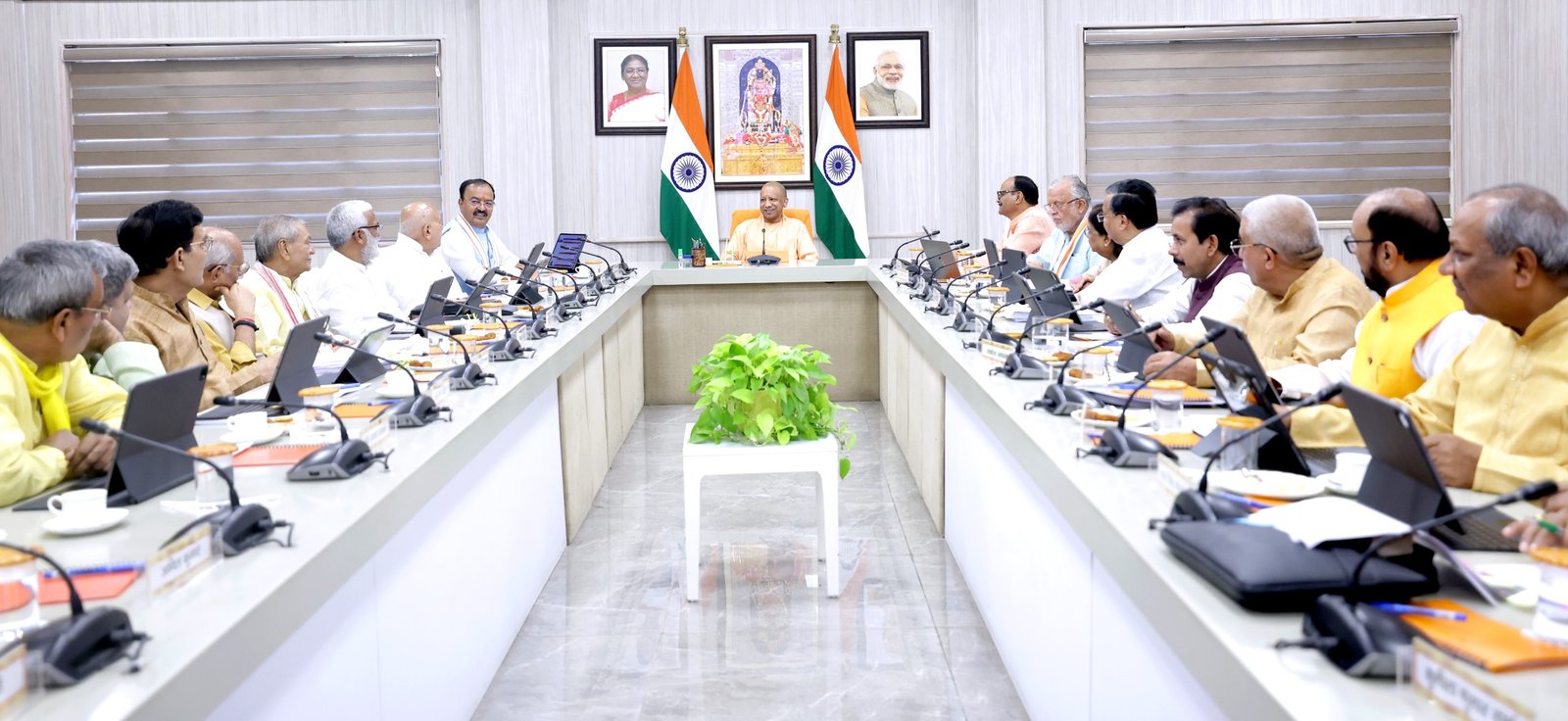
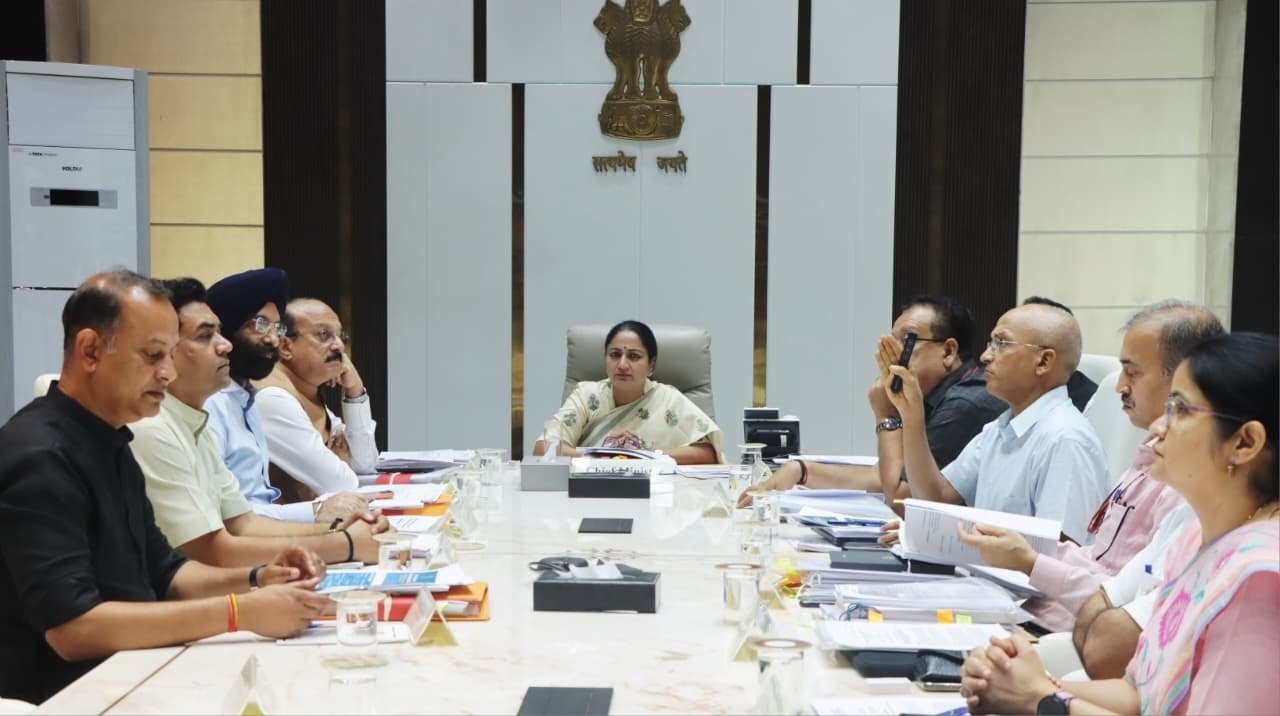
New Delhi, September 2026 : The Delhi Cabinet, chaired by Chief Minister Smt. Rekha Gupta, on Tuesday decided to double the fixed monthly incentive for ASHA workers from ₹3,000 to ₹6,000. The increase will apply to all ASHA workers currently working in Delhi. Other incentives will continue as before.
Chief Minister Rekha Gupta said ASHA workers are an important link in Delhi’s primary healthcare system. They visit households to provide health-related information, encourage families to get vaccinated and assist with services related to the care of pregnant women and new mothers. They also play an important role in Health and Nutrition Days, health awareness programmes, surveys and community meetings. During the COVID-19 pandemic, ASHA workers also provided important healthcare services. There are 6,725 ASHA workers currently working in Delhi. Generally, each ASHA worker is associated with around 2,000 people or 400 families.
The Chief Minister said the Delhi Government had been continuously discussing an increase in the remuneration of ASHA workers. It was among the government’s priorities, and the decision has now been taken. She said the increase in the monthly incentive was an important step towards recognising ASHA workers’ contribution and ensuring their financial security. It would boost their enthusiasm for their work and help them continue their services. It would also contribute to strengthening primary healthcare services and promoting women’s economic empowerment.
Chief Minister Rekha Gupta said the Delhi Government was committed to improving the financial security and working conditions of ASHA workers while recognising their contribution. ASHA workers play an important role in connecting people with healthcare services through household visits, promoting vaccination and supporting maternal and child healthcare services. The increase in their monthly incentive would help them carry out their responsibilities with greater enthusiasm and dedication. It would boost their morale, strengthen continuity in their services and help make primary healthcare services in Delhi more effective.