Iran Says US Failed to Earn Trust as Islamabad Talks Collapse Without Breakthrough

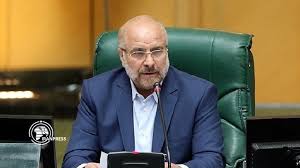
Tehran, April 2026 : Mohammad Baqer Ghalibaf on Sunday said the United States failed to earn Iran’s trust during the latest round of high-level negotiations in Islamabad, despite Tehran approaching the talks with what he described as “good faith” and constructive intent.
In a series of posts on social media platform X, Ghalibaf stated that the Iranian delegation had presented “forward-looking initiatives” during the discussions, but the American side ultimately could not build the confidence required to reach an agreement. He underscored that while Iran remains open to diplomacy, its past experiences have left deep scars, making trust a central issue in any negotiation.
“Before the negotiations, I emphasised that we have the necessary goodwill and willingness to engage, but due to the experiences of the previous wars, we have no trust in the opposing side,” Ghalibaf said. “My colleagues proposed forward-looking ideas, yet the opposing side failed to gain the trust of the Iranian delegation in this round.”
He further added that the United States now faces a critical decision. “America has understood our logic and principles. The question now is whether it can act in a way that earns our trust,” he remarked, signalling that Tehran expects tangible shifts in Washington’s approach.
The remarks came after more than 20 hours of intense negotiations between US and Iranian officials in Pakistan ended without a breakthrough. The talks, seen as a key attempt to revive diplomatic engagement over Iran’s nuclear programme, once again highlighted the deep divisions between the two sides.
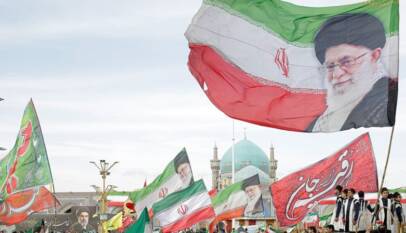
Ghalibaf, who led the Iranian delegation, also took the opportunity to praise the resilience and unity of the Iranian people. He expressed gratitude to citizens who demonstrated support following guidance from the Supreme Leader, calling their backing a source of strength for negotiators.
“Iran is a nation of 90 million people whose support empowers us,” he said. “From those who took to the streets in solidarity to my colleagues who endured 21 hours of intense negotiations, I extend my appreciation. Our efforts to defend the rights of the Iranian nation will not cease.”
He framed diplomacy as one of several tools available to Iran, alongside military strength, to safeguard national interests. According to him, negotiations are not a sign of weakness but a continuation of Iran’s broader strategic efforts to protect its sovereignty and achievements.
The collapse of the Islamabad talks marks yet another setback in the long-standing standoff over Iran’s nuclear ambitions. Previous rounds of negotiations have repeatedly stalled over key issues such as sanctions relief, verification mechanisms, and the scope of uranium enrichment.
From the American side, J. D. Vance acknowledged that while discussions were substantive, they ultimately failed to bridge critical differences. Speaking to reporters after the marathon session, Vance said the absence of an agreement was disappointing but not unexpected given the complexity of the issues involved.
“We have been at it for over 21 hours and had a number of serious discussions with the Iranians,” Vance said. “That’s the good news. The bad news is that we have not reached an agreement.”
He stressed that Washington had clearly communicated its expectations and boundaries during the talks. “We made our red lines very clear—what we are willing to accommodate and what we are not. Unfortunately, Iran chose not to accept those terms,” he added.
At the heart of the disagreement, Vance noted, is the United States’ insistence on firm and long-term assurances that Iran will not pursue nuclear weapons capability. “We need a clear and credible commitment that Iran will not seek a nuclear weapon or the means to rapidly develop one—not just in the short term, but permanently,” he said.
According to Vance, Washington is seeking durable guarantees rather than temporary concessions. “We have yet to see that level of commitment. We hope it will come, but it hasn’t so far,” he stated.
Despite the deadlock, the US has put forward what it considers a “final and best offer,” leaving the next move to Tehran. The lack of consensus, however, underscores the persistent mistrust and competing strategic priorities that continue to hinder progress.
The failure of the Islamabad talks highlights the fragile state of US-Iran relations, with both sides entrenched in their positions. While diplomacy remains on the table, the path forward appears uncertain, with trust—or the lack of it—emerging as the defining challenge in any future engagement.
(The content of this article is sourced from a news agency and has not been edited by the Mavericknews30 team.)

PM Modi Receives Traditional Slovak Welcome in Historic First Visit to Slovakia
Bratislava, June 2026 : Prime Minister Narendra Modi arrived in Bratislava on Sunday eveni…
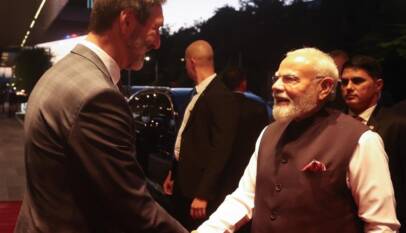
PM Modi Receives Traditional Slovak Welcome in Historic First Visit to Slovakia
Bratislava, June 2026 : Prime Minister Narendra Modi arrived in Bratislava on Sunday evening …