58 Killed in Deadliest U.S. Strike on Yemen’s Hodeida Port

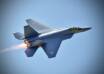
HODEIDA, YEMEN – At least 58 people were killed and more than 100 injured in a U.S. airstrike on the Ras Issa fuel terminal in Yemen’s Hodeida province, marking the deadliest attack yet in Washington’s ongoing campaign against the Iran-backed Huthi rebels.
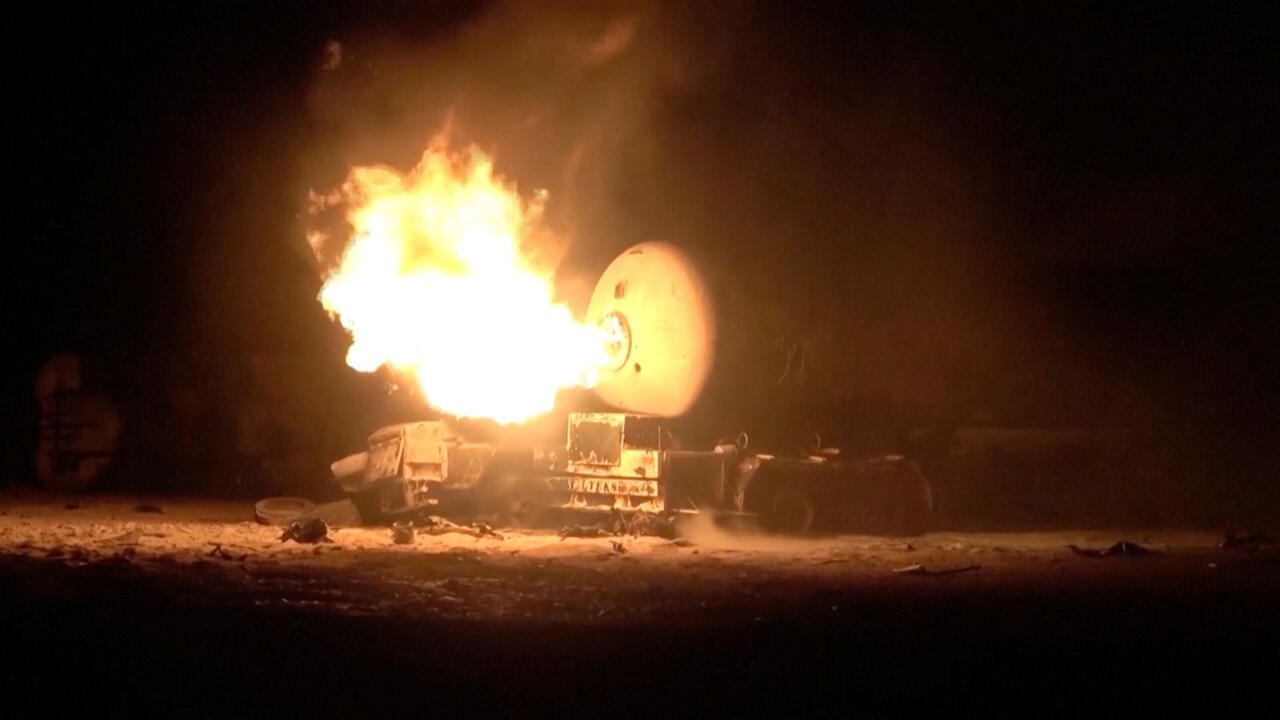
The strike, which lit up the night sky with massive fireballs and thick smoke, was confirmed by the Huthi-run Al-Masirah television channel, which aired dramatic footage and survivor testimonies. Health officials in the rebel-held city of Hodeida confirmed the rising casualty toll, calling the situation a humanitarian tragedy.
According to the U.S. military, the attack targeted key infrastructure used by the Huthis to fund and sustain their operations, particularly through fuel shipments. “U.S. forces took action to eliminate this source of fuel for the Iran-backed Huthi terrorists and deprive them of illegal revenue that has funded Huthi efforts to terrorize the region for over a decade,” said a statement from U.S. Central Command (Centcom).
Despite being designated as a Foreign Terrorist Organization by Washington earlier this year, the Huthis had continued to receive fuel via Ras Issa port, Centcom said, although it did not identify the fuel’s origin.
Eyewitness accounts described a terrifying scene at the fuel terminal. “We ran away as the strikes came one after another. Everything was on fire,” said a port worker who survived the attack. Al-Masirah also broadcast interviews with injured survivors, including men with severe burns being treated in makeshift medical facilities.
The airstrikes are part of an increasingly aggressive U.S. military campaign that has intensified since President Donald Trump’s return to office. The campaign resumed shortly after a two-month ceasefire ended and follows earlier strikes that began in March, which Huthi officials claimed killed 53 people. The escalation also comes just one day before U.S.-Iran nuclear negotiations are scheduled to resume in Rome.
The Huthis, part of Iran’s so-called “axis of resistance” along with Hamas and Hezbollah, began launching attacks on international shipping routes in the Red Sea and Gulf of Aden in late 2023. Their stated aim was to express solidarity with Palestinians amid the ongoing conflict in Gaza. While the group paused attacks during the ceasefire, it had recently threatened to resume them, citing Israel’s blockade of humanitarian aid to Gaza.
In addition to the deadly strike in Hodeida, Israel’s military on Friday reported intercepting a missile launched from Yemen, which triggered sirens in several regions. The renewed violence highlights the volatility of the region and the expanding scope of Middle East conflicts.
In response to the strike, Iran condemned the attack as “barbaric,” while Hamas described it as a “blatant act of aggression.” These reactions come amid increasing international concerns over the deepening confrontation between the U.S. and its adversaries in the region.
In Saada, the Huthis’ northern stronghold, massive protests erupted as hundreds took to the streets chanting slogans like “Death to America! Death to Israel!” Footage from Al-Masirah showed large crowds waving flags and banners during the rebel-organized demonstrations.
Meanwhile, the U.S. State Department also leveled accusations at China, specifically targeting the Chang Guang Satellite Technology Company. Spokeswoman Tammy Bruce alleged that the Chinese satellite firm was “directly supporting” Huthi operations, claiming it had provided satellite imagery that helped guide attacks on American interests. While she initially did not disclose specific details, Bruce later elaborated that the intelligence involved included imagery linked to Huthi targeting operations.
The renewed Huthi attacks on Red Sea shipping lanes, a route that handles around 12 percent of global trade, have already had significant economic impacts. Several major shipping companies have rerouted vessels around the Cape of Good Hope at the southern tip of Africa, dramatically increasing both shipping times and costs.
As diplomatic efforts between the U.S. and Iran resume in Rome, tensions in the region remain high. The recent escalation in Yemen may further complicate negotiations aimed at curbing Tehran’s nuclear ambitions, especially with reports indicating Iran is nearing the threshold of acquiring a nuclear weapon.
The latest developments point to a dangerously widening regional conflict, with Yemen once again at the epicenter of geopolitical rivalries, proxy wars, and human suffering.






Russian Strikes Hit Kyiv as Ukraine Expands Drone Campaign Inside Russia
Kyiv, July 2026 : Russia launched another wave of drone and missile strikes on UkraineR…
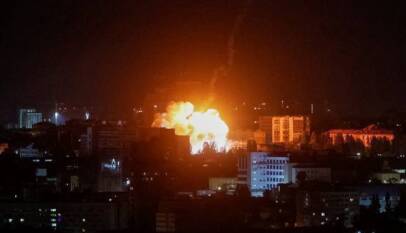
Russian Strikes Hit Kyiv as Ukraine Expands Drone Campaign Inside Russia
Kyiv, July 2026 : Russia launched another wave of drone and missile strikes on …