Putin Offers Ukraine Talks, Stays Silent on Ceasefire Request

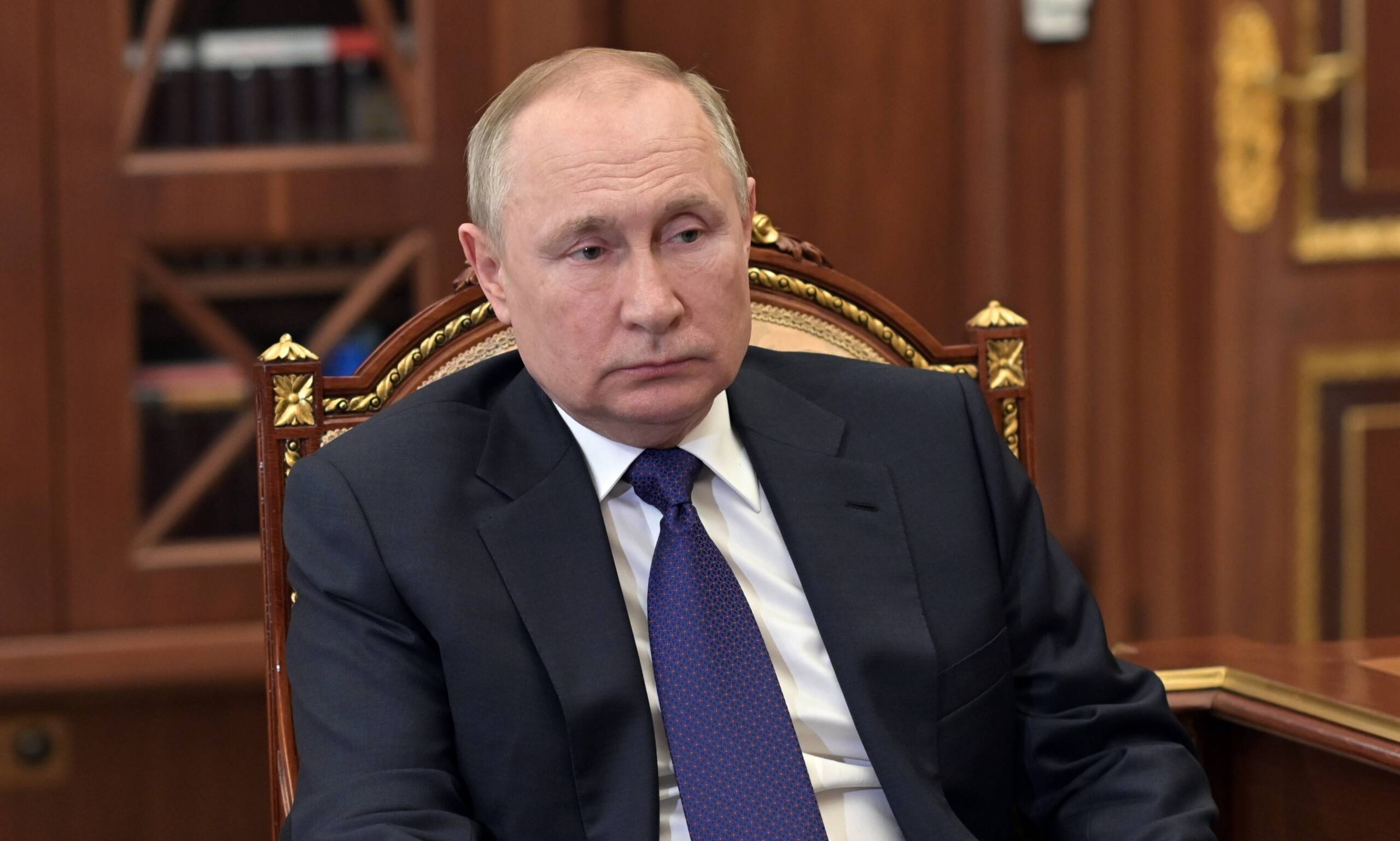
Russian President Vladimir Putin has proposed resuming direct peace talks with Ukraine but did not respond to an international call for an immediate 30-day ceasefire. Speaking from the Kremlin early Sunday, Putin suggested that negotiations be held in Istanbul on May 15 without any preconditions — a move that comes just hours after Ukraine and key Western leaders called for an unconditional truce starting Monday.
“We propose to the Kyiv authorities to resume the talks that they broke off in 2022, and I emphasise — without any preconditions,” Putin said in a nationally broadcast address.
Putin’s proposal was a revival of earlier direct talks between Russian and Ukrainian delegations that had taken place in Istanbul during the early stages of the war but ended without any agreement. Since then, the war has dragged on, causing tens of thousands of casualties and widespread destruction.
“We propose to start negotiations without delay on Thursday, May 15, in Istanbul,” Putin added. He also stated that he would speak with Turkish President Recep Tayyip Erdoğan to help facilitate the discussions.
Putin said Russia remained committed to “serious negotiations with Ukraine” aimed at “eliminating the root causes of the conflict” and establishing lasting peace. The so-called “root causes,” according to Moscow, include claims of protecting Russian-speaking populations in Ukraine’s east, halting NATO expansion, stopping Ukraine’s Western integration, and what the Kremlin calls “de-Nazification.”
These claims, however, have been firmly rejected by Ukraine and its Western allies, who argue that Russia’s invasion is an unprovoked act of aggression aimed at seizing territory and undermining Ukraine’s sovereignty.
While Putin suggested that the negotiations could potentially lead to a new ceasefire agreement, he did not acknowledge or directly address the joint Ukraine-European proposal for an immediate 30-day ceasefire starting Monday. Instead, he criticised what he described as “ultimatums” and “anti-Russian rhetoric” coming from European capitals.
“Some Western countries are clearly not interested in peace. They continue to push Ukraine into war against Russia,” Putin said, accusing Kyiv’s allies of undermining diplomatic efforts.
Putin’s remarks followed a high-profile show of Western unity in Kyiv on Saturday. French President Emmanuel Macron, German Chancellor Friedrich Merz, British Prime Minister Keir Starmer, and Polish Prime Minister Donald Tusk visited Ukraine to express solidarity and jointly pressed Moscow to accept a month-long, unconditional ceasefire.
At a joint press conference with Ukrainian President Volodymyr Zelensky, Macron said, “We have just now decided to support a ceasefire which will begin next Monday, without any preconditions.” He added that the United States and around 20 other countries supporting Ukraine were also on board.
“In the event of a violation of this ceasefire, we have agreed that massive sanctions will be prepared and coordinated between Europeans and Americans,” Macron warned.
U.S. President Donald Trump, who had previously threatened to withdraw from talks due to a lack of progress, also supported the ceasefire proposal. Trump had long claimed he could end the war within a day if elected, though his comments and past clashes with Zelensky had led to fears in Kyiv that he might favour Moscow.
However, according to Ukrainian Foreign Minister Andriy Sybiga, the leaders had a “fruitful” video call with Trump during their Kyiv summit, and he was reportedly aligned with the ceasefire initiative.
“We now have absolute unity across a range of countries around the world, including the United States, that there must be a 30-day unconditional ceasefire,” UK Prime Minister Starmer said.
Polish Prime Minister Tusk added, “For the first time in a long time, we feel the whole free world is truly united. But the real test is ahead — and it lies with Putin. We will wait for Russia’s response.”
European Commission President Ursula von der Leyen echoed these sentiments, calling for the ceasefire to be implemented “without preconditions” to allow meaningful peace talks to begin. Macron confirmed that the United States would take the lead in monitoring the ceasefire, with support from European nations.
This renewed diplomatic push came one day after Putin led a military parade in Moscow commemorating the 80th anniversary of Nazi Germany’s defeat. Despite his call for a temporary three-day truce during the event from Thursday through Saturday, Ukrainian forces on the frontlines reported no noticeable reduction in hostilities.
A Ukrainian army brigade in the eastern region told AFP that the intensity of Russian attacks remained “pretty much the same” throughout the period Putin had announced a unilateral pause.
The international community is now watching closely to see whether Russia will engage in the proposed peace talks or respond to the ceasefire demand. While Putin’s offer to resume negotiations may appear to be a diplomatic gesture, his silence on the immediate ceasefire and his continued criticism of Western allies raise doubts about Moscow’s willingness to halt the violence in the near term.
For Ukraine and its partners, the next few days will be critical — both for potential de-escalation and for testing Russia’s sincerity in pursuing peace after over two years of war.
Team Maverick.

Pope Leo XIV Calls for Peace, Says Suffering of Innocents “Hurts All Humanity”
Vatican, March 2026 : Pope Leo XIV on Sunday expressed deep anguish over ongoing conflicts…
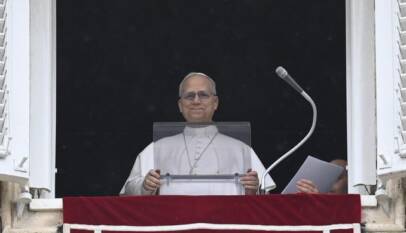
Pope Leo XIV Calls for Peace, Says Suffering of Innocents “Hurts All Humanity”
Vatican, March 2026 : Pope Leo XIV on Sunday expressed deep anguish over ongoing …