Democracy Is Not Just a System of Governance, But a Way of Life: CM Vishnu Deo Sai

On Emergency Remembrance Day, CM Pays Tribute to Democracy Fighters, Calls Their Sacrifice an Inspiration for Generations
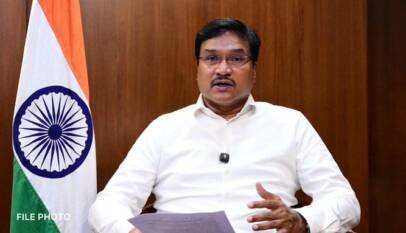
Raipur : Democracy is not merely a governance structure—it is a way of life, said Chief Minister Vishnu Deo Sai while addressing the Emergency Remembrance Day event at his official residence. He emphasized that the freedoms we enjoy today were earned through the intense suffering and sacrifice of individuals who were imprisoned, humiliated, and tortured during the Emergency (1975–1977). He called it the duty of every generation to remember and honor the struggles of these democracy fighters.
The Chief Minister cautioned citizens to remain vigilant against anti-democratic forces and to actively work towards strengthening democracy. He pointed out that during the Emergency, countless patriots were shackled and subjected to inhumane torture—experiences that echoed the brutality of British colonial rule despite happening in independent India. These democracy fighters, he said, remain an enduring source of inspiration.
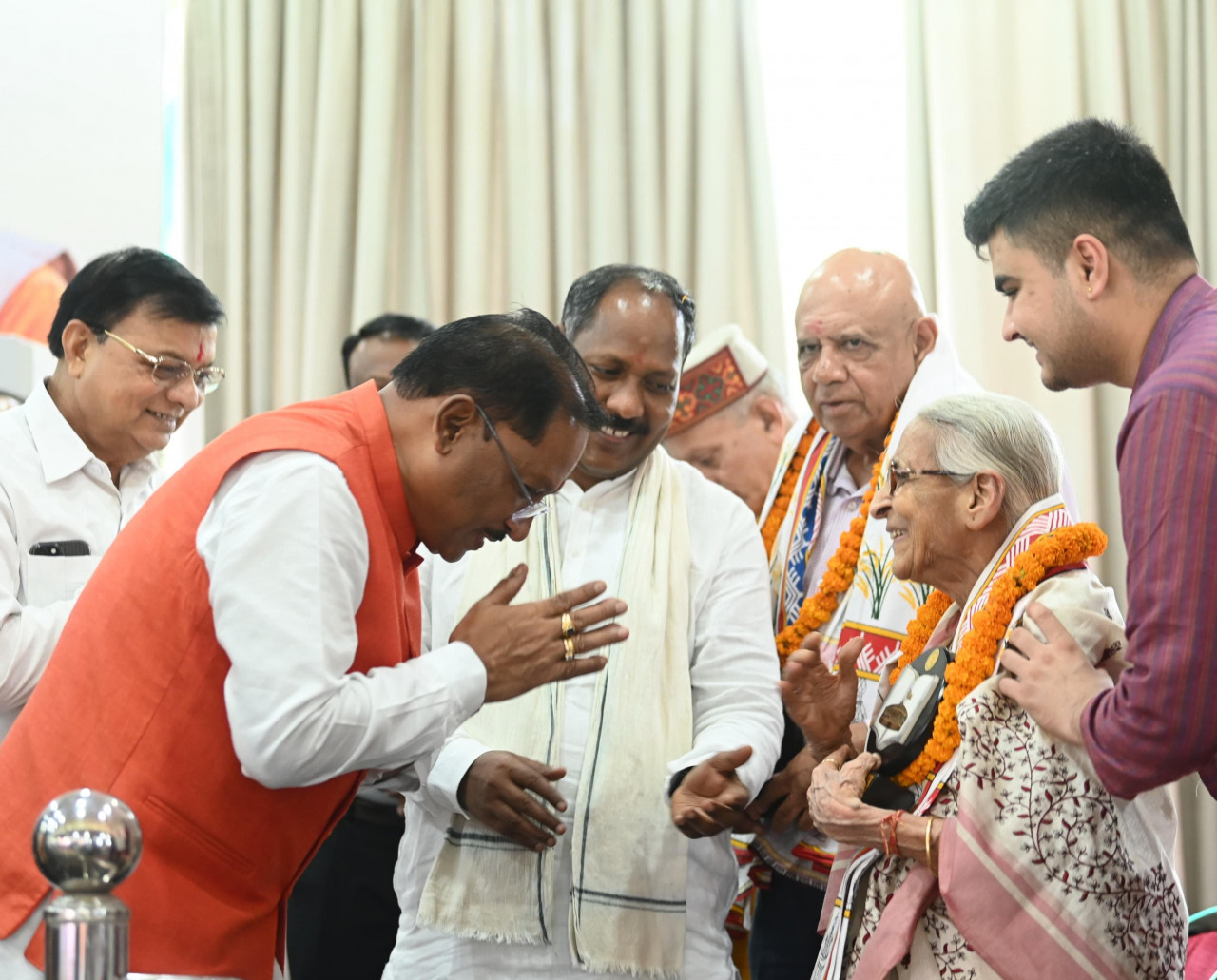
On this solemn occasion, CM Sai felicitated several democracy fighters. He also released a book titled ‘Woh 21 Mahine: Aapatkaal’, authored by Sachchidanand Upasne, chronicling the horrors of the 21-month Emergency.
Recalling June 25, 1975, as the “darkest day in India’s democratic history,” CM Sai highlighted that thousands were imprisoned without charges, fundamental rights were suspended, and the democratic spirit was throttled. Sharing a personal memory, he said his late father Narhari Prasad Sai was jailed for 19 months during this period. The stories he heard from his father, he said, still send shivers down his spine.
The CM also referred to how artists’ freedoms were curbed. Notably, singer Kishore Kumar was blacklisted from All India Radio for refusing to sing propaganda songs.
He noted that previous Chhattisgarh governments had halted the honorarium for democracy fighters, but his government revived it and cleared pending dues for the last five years. He further announced that democracy fighters will now receive state funerals and their families will be provided ₹25,000 as assistance. Additionally, an Act has been passed in the Assembly to ensure this recognition continues, preventing any future government from discontinuing the scheme.
Speaker Dr. Raman Singh, in his address, detailed the atrocities committed during the Emergency. He urged the current generation to understand the scale of democratic suppression and to spread awareness. Calling the Emergency “unconstitutional,” he said the entire nation had been turned into a giant prison, with the pillars of democracy—judiciary, legislature, executive, and press—paralyzed. Censorship was imposed on the media, and truth-tellers were thrown into jails.
Dr. Singh also highlighted the economic and social crisis of the time—rampant inflation, unemployment, and corruption, which fueled public anger that the government tried to crush with Emergency powers. If democracy in India still survives and thrives today, he said, it is thanks to those brave individuals who defended the Constitution and the soul of the nation even in the face of brutal suppression.
Also speaking at the event were Shri Pawan Sai and Shri Sachchidanand Upasne, National Vice President of the Democracy Fighters’ Association.
The event was attended by a large number of democracy fighters and their families, along with dignitaries including Industries Minister Lakhanlal Dewangan, MLA Motilal Sahu, CGMSC Chairman Deepak Mhaskey, Civil Supplies Corporation Chairman Sanjay Srivastava, Minority Commission Chairman Amarjeet Chhabra, Raipur Development Authority Chairman Nand Kumar Sahu, and State President of the Democracy Fighters’ Association, Divakar Tiwari.
Shivakumar Says Congress United, Assures Women Will Get Cabinet Berth
Bengaluru, Aug 2026 : Karnataka Chief Minister D.K. Shivakumar on Monday sought to dismiss…
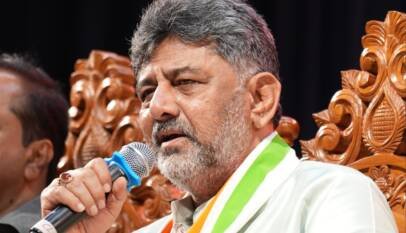
Shivakumar Says Congress United, Assures Women Will Get Cabinet Berth
Bengaluru, Aug 2026 : Karnataka Chief Minister D.K. Shivakumar on Monday sought to dismiss …