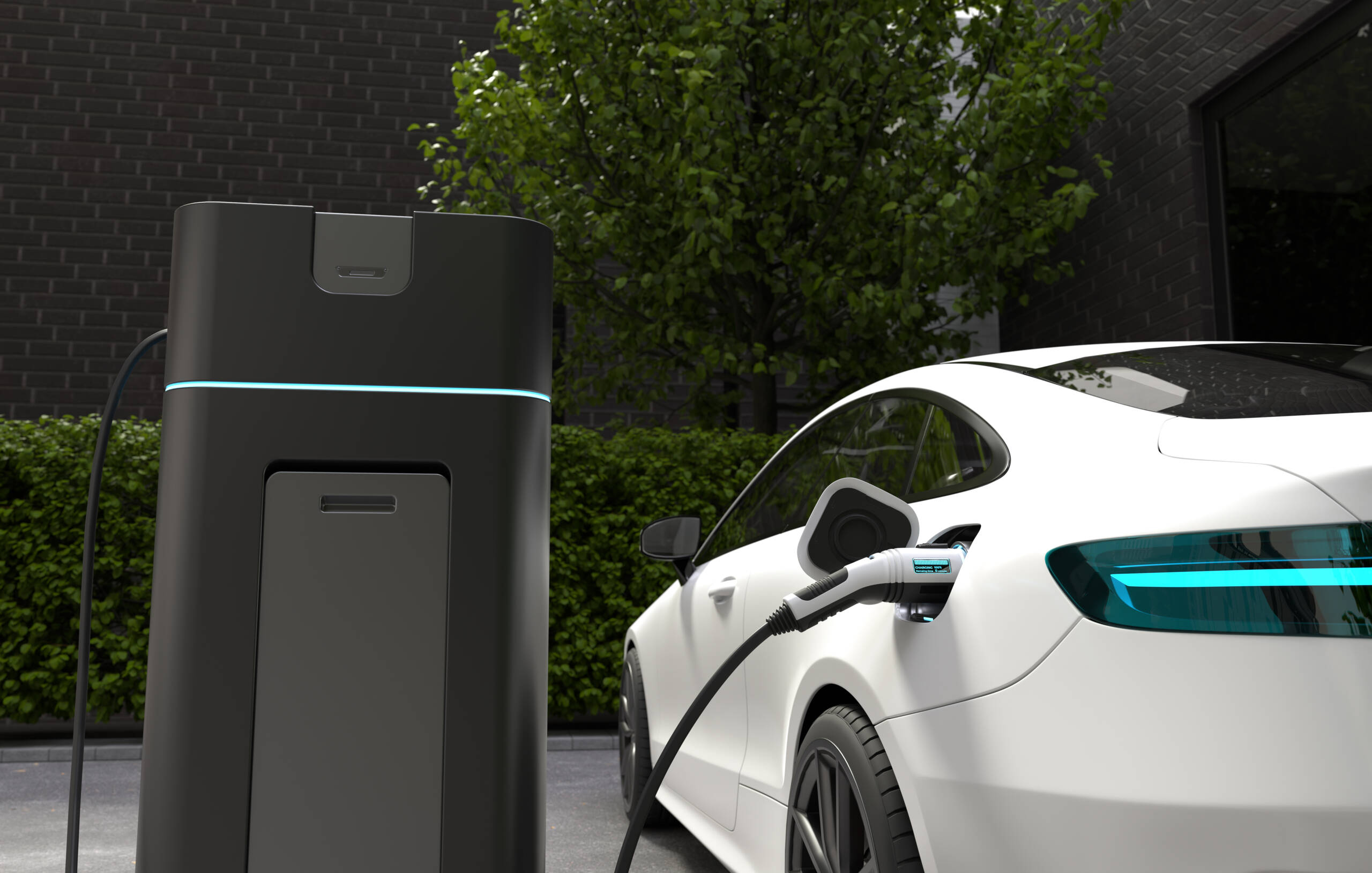
Premium of Electric Vehicle is 72% higher in the UAE.

Insuring an electric car in the UAE has become much more costly. Insurancemarket.ae, one of the country’s leading providers, said insuring an electric vehicle on average costs 72% more on average than a petrol or diesel-powered alternative. The average comprehensive EV insurance policy stands at about Dh4,992 a year compared to Dh2,895 for regular internal combustion engine vehicles, when comparing vehicles of similar body type.
“Repair costs for EVs are higher due to specialised parts and battery systems”, said Hitesh Motwani, deputy chief executive of the insurance group. “There are fewer authorised repair centres, and parts often have to be shipped internationally”.
The repair problems were brought into sharp focus by the unprecedented floods that hit the UAE in April 2024, when mass EV battery failures drove up insurance claims. Yet Mr. Motwani believes that the market is entering a “transition phase” that will see more nuanced pricing, factoring in battery age, charging behaviour and self-driving features. “More insurers are also partnering with authorised EV dealers to streamline the repairs and claim services”, he said. “We’re watching the space evolve from novelty to norm – and as that happens, customers can expect more competitive, data-driven pricing, but also a need to be more informed buyers”.
EVs are expected to make up more than 15% of all sales in the UAE by 2030, and could reach about 110,500 vehicles five years later. The UAE has set an ambitious target of having EVs make up half of the cars on the roads by 2050, in support of the nation’s net-zero drive. While the UAE’s EV market has faced challenges, it has enjoyed healthy growth in recent years.
EVs made up 13% of new car sales in 2023, up from 0.7% in 2021, according to government data quoted by e-mobility specialist Heiko Seitz. To put this into perspective, this is equal to between 28,000 and 33,000 new EVs, including plug-in hybrids, sold in 2023, compared to only a few thousand in 2021. “These marks one of the fastest adoption curves in the region”, said Mr. Seitz.
Regionally, this means that the UAE now leads the Middle East in EV penetration, well ahead of neighbouring countries where electric models still account for about one per cent or less of new car sales. “Nearly two-thirds of UAE residents now say they intend to make an EV their primary vehicle by 2025, showing how quickly public sentiment is shifting in favour of more sustainable mobility,” said Seitz, the global eMobility leader at PwC. “A growing variety of EV models at accessible price points is helping to accelerate this adoption”.
The UAE is quickly overcoming traditional barriers to EV adoption, particularly charging access, range concerns, and upfront costs. As such, Mr. Seitz believes that the conditions are “highly favourable” for ownership. “Running costs are a fraction of petrol, range anxiety is easing, and the variety of models at accessible price points is growing fast”. In Abu Dhabi alone for example, a joint venture between Adnoc and Taqa aims to install 70,000 EV chargers by 2030. Drivers can now also travel further with a charged battery, as many new EVs are able to cover distances of more than 400 kilometres on a full charge, with premium models exceeding 600 kilometres.
Another market research insights reflects a shift in buying behaviour. There are more enquiries for brands from China, such as BYD, and for premium EVs from brands such as Mercedes and Volvo, as well a growing second-hand Tesla market.
Concerns over insurance are temporary growing pains, as EV adoption grows and more data becomes available, said Roberto Lopes Da Silva, UAE general manager of electric car brand Nio. “We expect pricing to normalise. Moreover, continued dialogue between insurers, regulators, and EV manufacturers will be key in bridging this gap and making EV ownership more accessible”. Nio’s customers, he adds, are often “forward-thinking individuals who are enthusiastic about technology and sustainability, especially in the premium to luxury segment”.
For Mr. Lopes Da Silva, this dynamic environment in the UAE means products must truly differentiate themselves, be it in range, technology, design, or customer experience. He adds that the driving range of an electric vehicle depends on several variables, including the model type, battery capacity, and real-world driving conditions such as speed, terrain, and climate. For example, the Nio ET5 Long Range variant has a certified range of up to 615 kilometres. For daily use, under mixed driving conditions, customers can realistically expect between 500 kilometres to 550 kilometres on a full charge.
Team Maverick







Solar Defence Showcases Indigenous ‘Bhargavastra’ Counter-Swarm Drone System to Indian Army
New Delhi, July 2026 : Solar Defence and Aerospace Ltd. (SDAL) on Friday showcased its ind…
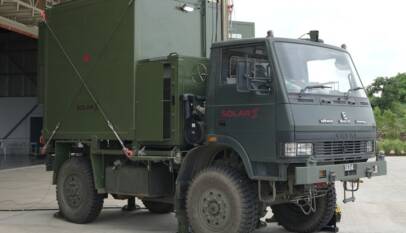
Solar Defence Showcases Indigenous ‘Bhargavastra’ Counter-Swarm Drone System to Indian Army
New Delhi, July 2026 : Solar Defence and Aerospace Ltd. (SDAL) on Friday showcased …