Nepal Erupts in ‘Gen Z’ Protests Over Social Media Ban; One Killed, Dozens Injured

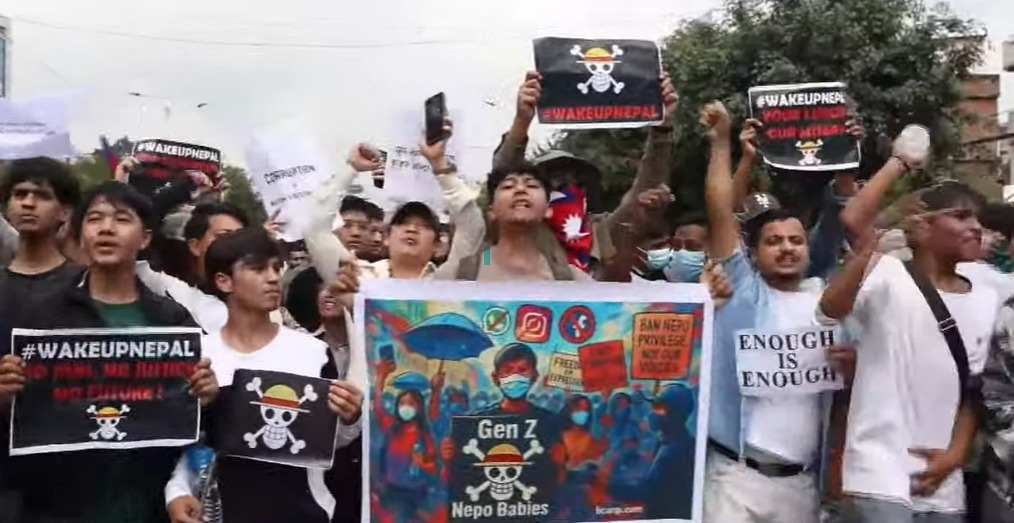
Kathmandu, Sept 2025 : Nepal is witnessing one of its largest youth-led uprisings in recent years as millions of young people have poured into the streets to protest the government’s sweeping ban on unregistered social media platforms. The demonstrations, dubbed the “Gen Z protest” by local media, turned violent over the weekend, leaving at least one dead and more than 80 injured after police opened fire on crowds in Damak and New Baneshwor.

The ban, which came into force on September 4, 2025, blocks access to global platforms such as Facebook, Instagram, WhatsApp, YouTube, and X (formerly Twitter). These platforms, hugely popular among Nepal’s youth for communication and activism, were shut down after failing to register under Nepal’s Directive on Regulating the Use of Social Media, 2023.
Hashtags Fuel the Rebellion
Online anger had been brewing for weeks under hashtags such as #NepoKid and #NepoBabies, which trended widely in Nepal following Prime Minister K.P. Sharma Oli’s decision to block the platforms. Protesters argue the move not only silences free speech but also isolates Nepal from the global digital space.
The rally was organized by Hami Nepal, a civic youth group that formally sought approval from Kathmandu District Administration. According to chairperson Sudhan Gurung, the protest was directed at both the government’s censorship and its broader record of corruption. “This is only the beginning. Similar demonstrations will erupt across the country,” he warned.
Organizers had used encrypted channels and informal networks to coordinate the marches. They urged students to attend in their uniforms, carrying books as a symbol of peaceful resistance, and shared safety tips with participants.
Streets on Fire
Despite appeals for calm, protests escalated dramatically in Kathmandu. Thousands of young demonstrators stormed toward the Federal Parliament, pelting stones at police and forcing their way past barricades. Security forces responded with tear gas, rubber bullets, water cannons, and aerial gunfire.
Witnesses described chaotic scenes as protesters set up makeshift medical stations at Maitighar, while hospitals such as Everest and Civil treated dozens of the wounded. “The streets felt like a war zone,” one student protester said.
Authorities later confirmed that one person was killed and more than 80 others injured, many with bullet wounds. The District Administration imposed a daylong curfew stretching from Baneshwor Chowk to Bijuli Bazaar Bridge, Tinkune Chowk, Ratna Rajya School, and Shankhamul Bridge. Despite the restrictions, protesters blocked army convoys, forcing the deployment of the Nepali Army in New Baneshwor. Officials described the situation as “highly tense.”
Oli Defends the Ban
Prime Minister Oli struck a defiant tone in remarks on Sunday, rejecting criticism of his government’s actions. He argued that the ban was not against social media itself but against “lawlessness and disrespect” toward Nepal’s sovereignty.
“We told the platforms for a year: Register under Nepal’s law, pay taxes, and be accountable,” Oli said. “They replied, ‘We don’t know your constitution.’ Then intellectuals complain that four jobs were lost. But is four jobs bigger than national self-respect? For self-respect, maybe four jobs go for four days—but new ones will come.”
Oli insisted that foreign companies must comply with Nepal’s laws if they wish to operate in the country.
Platforms Pulled Offline
The Cabinet had decided on August 25 that all social media companies must register within seven days or face a ban. The deadline expired on September 3 with no response from the platforms, prompting the block on September 4.
The Nepal Telecommunications Authority (NTA) confirmed that 26 platforms were targeted, including Facebook, Messenger, Instagram, YouTube, WhatsApp, X, LinkedIn, Snapchat, Reddit, Discord, Pinterest, Signal, Threads, WeChat, Quora, Tumblr, Clubhouse, Mastodon, Rumble, VK, Line, IMO, Zalo, Soul, and Hamro Patro.
A Generational Flashpoint
Analysts say the protests represent more than just anger over digital restrictions. For many in Nepal’s younger generation, social media is central to identity, expression, and political activism. The ban has therefore become a flashpoint for broader frustrations with unemployment, corruption, and authoritarian tendencies in government.
“This is not only about Facebook or Instagram—it’s about the future of free expression in Nepal,” said political analyst Sushil Thapa. “Gen Z has grown up online. Cutting them off is like cutting off their voice.”
With demonstrations spreading beyond Kathmandu to cities like Pokhara, Butwal, and Dharan, pressure is mounting on the Oli government to reconsider its hardline stance. But for now, both sides remain locked in confrontation, with Nepal’s youth vowing to keep the momentum alive.
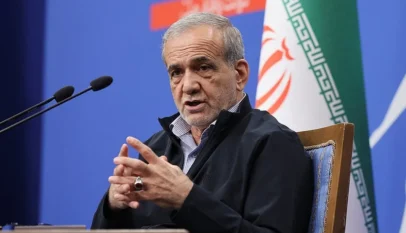
Pope Leo XIV Calls for Peace, Says Suffering of Innocents “Hurts All Humanity”
Vatican, March 2026 : Pope Leo XIV on Sunday expressed deep anguish over ongoing conflicts…
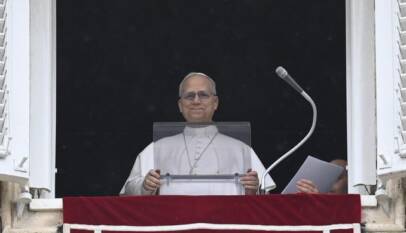
Pope Leo XIV Calls for Peace, Says Suffering of Innocents “Hurts All Humanity”
Vatican, March 2026 : Pope Leo XIV on Sunday expressed deep anguish over ongoing …