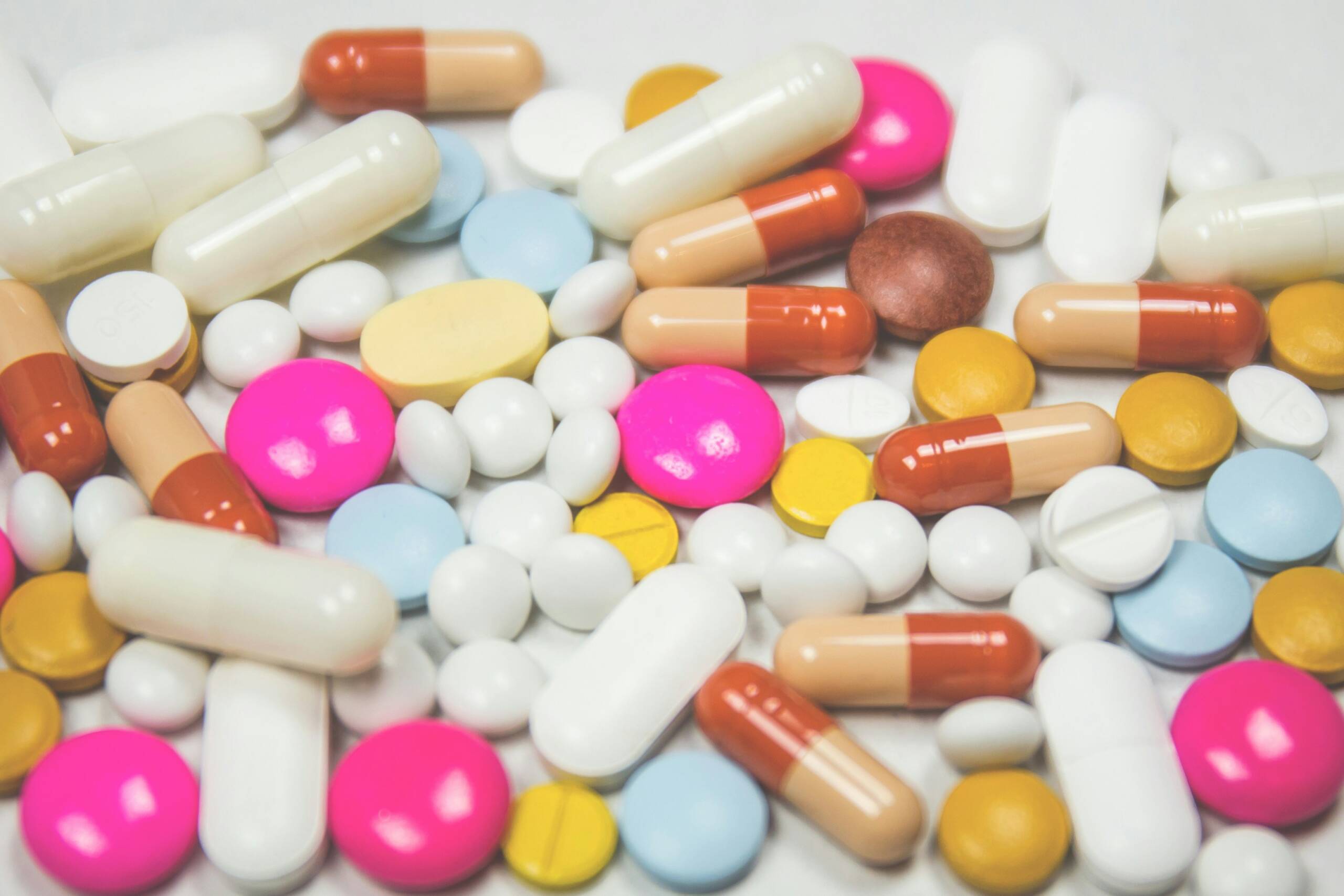
Centre Bans High-Dose Nimesulide Oral Medicines to Protect Public Health

New Delhi, Dec 31, 2025 : The central government has announced an immediate ban on the manufacture, sale, and distribution of all oral pain and fever medicines containing more than 100 milligrams of Nimesulide in immediate-release form, citing potential risks to human health. The move has been implemented under Section 26A of the Drugs and Cosmetics Act, 1940, following extensive consultations with the Drugs Technical Advisory Board.
According to a Health Ministry notification, medical evidence indicates that high-dose Nimesulide formulations can pose safety risks, particularly concerning liver toxicity and other adverse effects, while safer alternatives are readily available. The ban applies strictly to oral formulations exceeding the 100 mg dosage intended for human use, with lower-dose variants and other approved therapeutic options remaining permitted.
Nimesulide, a widely used non-steroidal anti-inflammatory drug (NSAID), has been under international scrutiny for years due to potential side effects. The latest decision underscores the government’s commitment to strengthening drug safety regulations and curbing high-risk medicines from the market.
Pharmaceutical manufacturers producing affected Nimesulide products have been instructed to immediately halt production and initiate recalls of existing stocks. Market analysts suggest that the financial impact on large pharmaceutical companies is likely to be minimal, as Nimesulide constitutes only a small fraction of total NSAID sales. However, smaller firms with greater reliance on the drug may face revenue challenges.
India has previously used Section 26A to withdraw multiple fixed-dose combinations and unsafe drugs as part of broader public health protection initiatives. This move aligns with ongoing efforts to ensure safe and effective medicines for patients nationwide.
Meanwhile, the government continues to strengthen domestic production of active pharmaceutical ingredients (APIs) to reduce dependency on imports. Under the Promotion of Bulk Drug Parks scheme, investments totaling Rs 4,763.34 crore have been mobilized over the past three and a half years up to September 2025, surpassing committed targets for greenfield projects.
Additionally, the Production Linked Incentive (PLI) scheme for bulk drugs, with an outlay of Rs 6,940 crore, aims to secure uninterrupted supply of essential APIs, reduce dependence on single-source imports, and bolster India’s position as a reliable global supplier of critical pharmaceutical ingredients.
This latest regulatory action reaffirms the government’s focus on public health safety while supporting a sustainable, self-reliant pharmaceutical ecosystem.


Parliament Paralysed for Second Day as Opposition Protests Over NEET Leak, Student Crackdown
New Delhi, July 2026 : Parliament remained deadlocked for the second consecutive day of th…
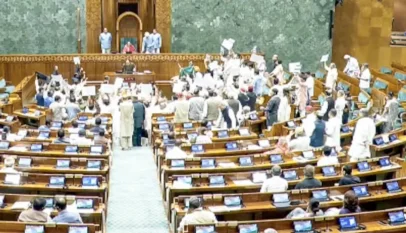
Parliament Paralysed for Second Day as Opposition Protests Over NEET Leak, Student Crackdown
New Delhi, July 2026 : Parliament remained deadlocked for the second consecutive day of …