New Delhi, September 2026 : Bharat Electronics Limited (BEL) has emerged as a key beneficiary of the India-Sri Lanka agreement to upgrade the L70 air defence gun system, highlighting the growing role of Indian defence electronics in modernising legacy military platforms.
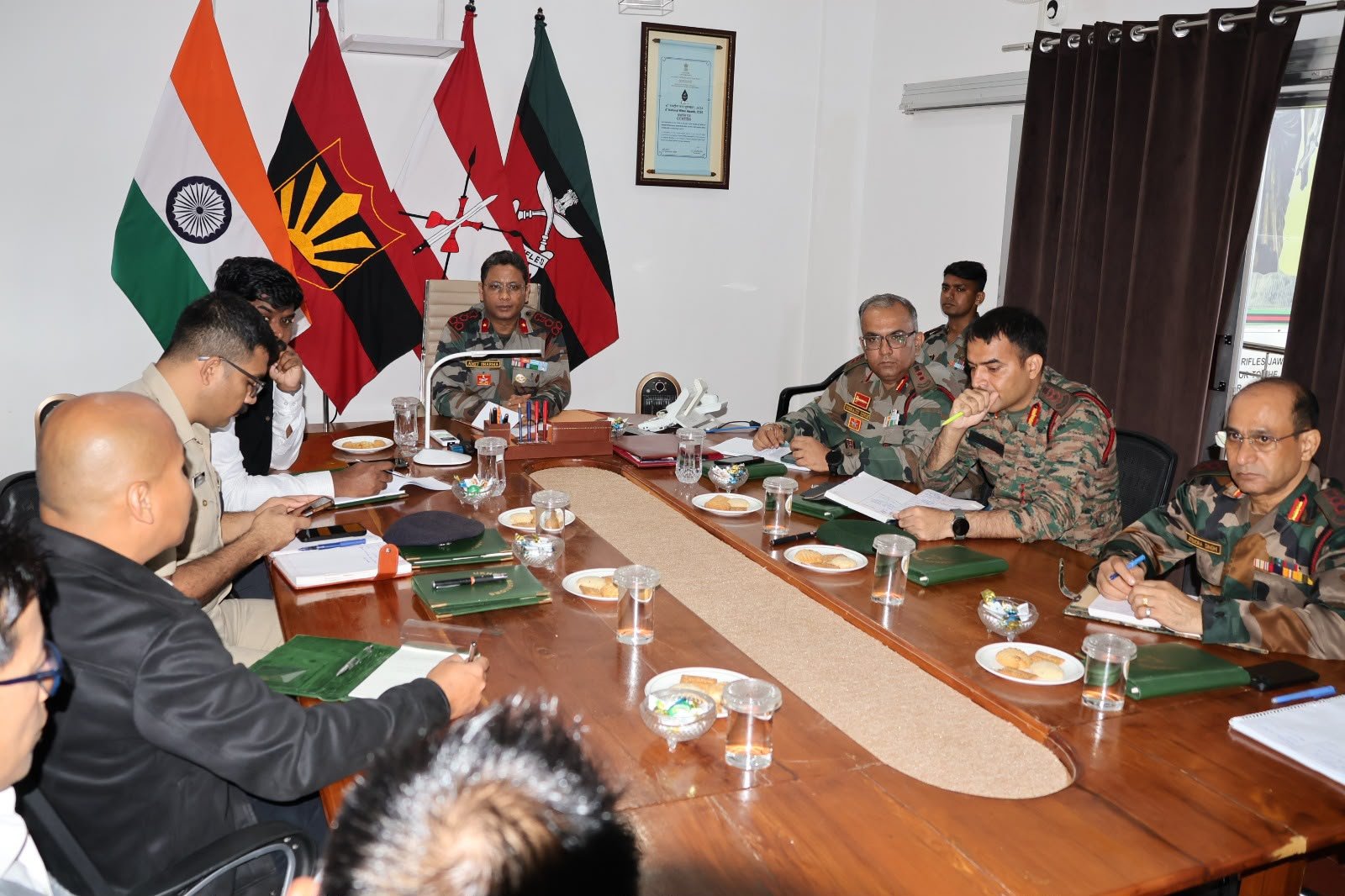
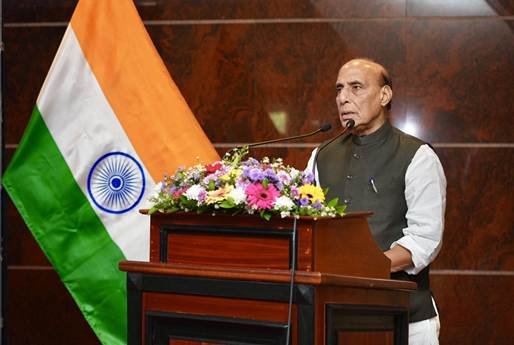
The Memorandum of Understanding was signed during Defence Minister Rajnath Singh’s three-day visit to Colombo, where India and Sri Lanka reaffirmed their commitment to expanding bilateral defence cooperation in areas including military training, defence education and air defence equipment.
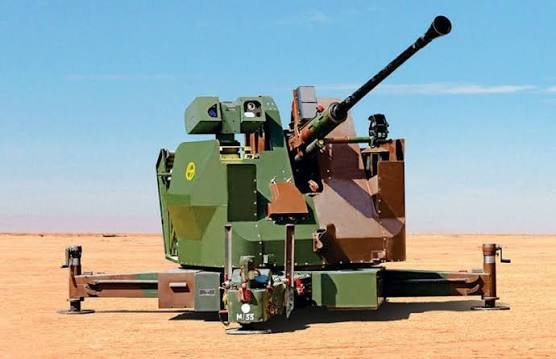
The L70 modernisation is significant for BEL as the state-owned defence electronics company has already undertaken similar upgrades for the Indian armed forces. The programme replaces the gun’s legacy hydraulic drives with electric drives, improving responsiveness and reliability while reducing dependence on ageing mechanical systems.
BEL’s expertise in integrating motors, electronics, control systems, power units and targeting equipment makes it well suited to such modernisation programmes.
A major component of the upgrade is an Integrated Fire Control System. It incorporates an optronic sight equipped with an eye-safe laser range finder, daylight television camera and thermal imager. Together, these systems enable the gun to detect, track and engage targets under both day and night conditions.
The upgraded L70 will also feature autonomous ballistic computation. The system electronically calculates firing solutions while accounting for factors such as round-to-round muzzle velocity variations and weapon tilt. This allows firing parameters to be adjusted according to actual weapon and ammunition conditions, thereby improving accuracy.
The electronics-intensive nature of the upgrade gives BEL an important role in integrating sensors, computing systems, fire-control technology and other subsystems into the existing weapon platform.
Another enhancement is the gun’s ability to operate silently using battery power. This reduces dependence on external power sources and provides greater tactical flexibility. The transition from hydraulic to electric drives also supports the battery-powered architecture.
The upgraded system can additionally interface with tracking and fire-control radars, allowing the L70 to operate as part of a broader air defence network rather than as an independent weapon. Radar systems can provide target acquisition and tracking inputs, while electro-optical sensors offer an additional means of identifying and engaging targets.
For BEL, the Sri Lankan programme could have significance beyond the immediate contract. Many countries continue to operate legacy air defence systems that can be modernised at substantially lower cost than replacing them with entirely new platforms.
This creates potential opportunities for Indian defence companies in areas such as fire-control electronics, electro-optical systems, radar integration, maintenance, spares and lifecycle support.
During his Sri Lanka visit, Rajnath Singh met President Anura Kumara Dissanayake and highlighted the shared civilisational links, maritime partnership and strategic relationship between the two countries.
Singh also underlined India’s rapid growth in defence manufacturing and exports, noting that defence exports had reached an all-time high of around Rs 39,000 crore, compared with approximately Rs 600 crore 12 years ago.
The L70 upgrade therefore represents both a practical expansion of India-Sri Lanka defence cooperation and an example of India’s broader push to export indigenous defence technology and modernisation capabilities to friendly countries.
(Disclaimer :The content of this article is sourced from a news agency and has not been edited by the Mavericknews30 team.)