IRGC Vows “Ferocious” Retaliation After Death of Iran’s Supreme Leader

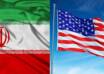
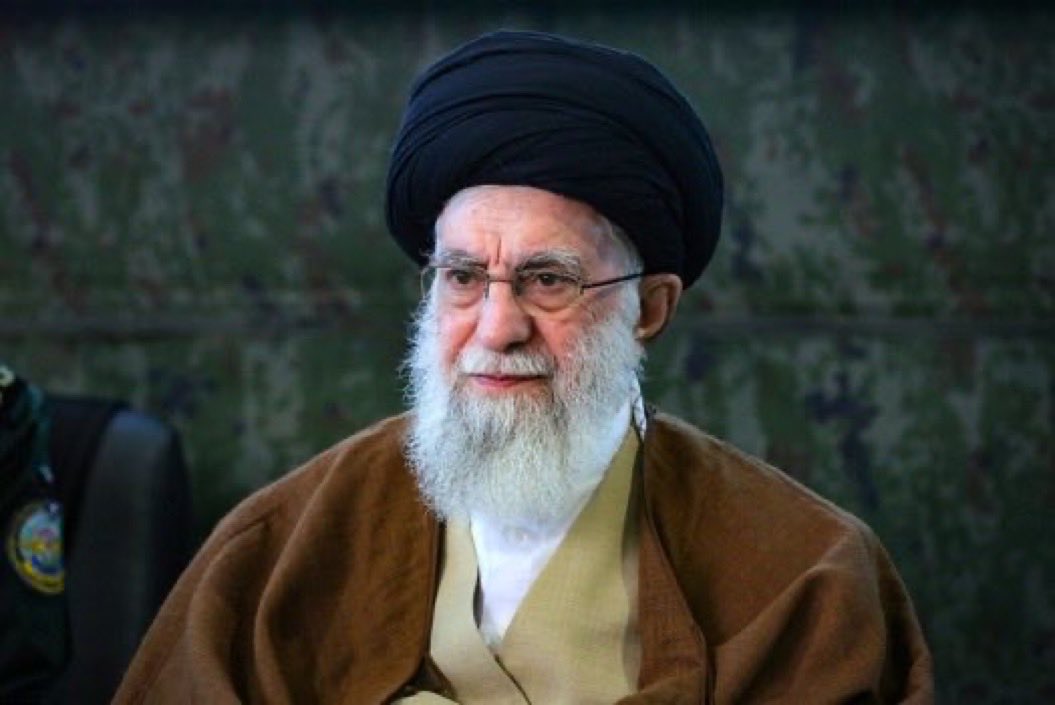
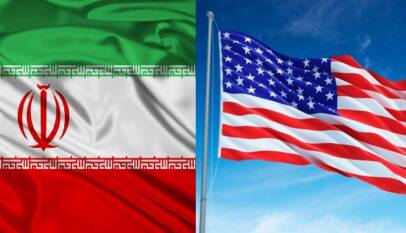
Tehran, March 2026 : Iran’s Islamic Revolutionary Guard Corps (IRGC) has issued a stark warning to the United States and Israel, vowing to exact what it called a historic and uncompromising revenge following the reported killing of Supreme Leader Ayatollah Ali Khamenei. State television on Sunday confirmed Khamenei’s death, triggering a wave of militant rhetoric and deepening fears of a wider regional conflagration.
In a statement posted on its official Telegram channel, the IRGC declared that retribution would be inevitable and overwhelming. “The hand of revenge of the Iranian nation for a severe, decisive and regrettable punishment for the murderers of the Imam of the Ummah will not let go of them,” the statement said, promising what it described as “the most ferocious offensive operation in history” against US and Israeli interests.
The powerful paramilitary force said it would act in concert with Iran’s regular Armed Forces and the Basij militia to continue what it termed Khamenei’s legacy. The statement pledged that these forces would “stand firm against internal and external plots” and deliver a “lesson-giving punishment” to those responsible for what it called aggression against the Islamic homeland.
Echoing the hardline tone, Iran’s Cabinet warned that the killing of the Supreme Leader amounted to a “great crime” that would “never go unanswered,” signalling a unified front among Iran’s political and military institutions as the country confronts one of the most dramatic moments in its post-revolutionary history.
Khamenei was reportedly killed in a sweeping joint US-Israeli strike, an event widely seen as an inflection point in Iran’s 46-year Shia-theocratic system. His death effectively ends a 36-year period of iron-fisted rule in which he shaped every major aspect of Iran’s domestic politics, regional strategy and nuclear ambitions.
US President Donald Trump announced the killing on Saturday via his Truth Social platform, describing it as a decisive blow to Iran’s leadership. “He was unable to avoid our Intelligence and Highly Sophisticated Tracking Systems and, working closely with Israel, there was not a thing he, or the other leaders that have been killed along with him, could do,” Trump wrote, underscoring the coordination between Washington and Tel Aviv.
Despite the claims from Washington and Israeli media, Iran has yet to formally confirm Khamenei’s death through an official government statement. As of Sunday evening, there was no clarity on who might fill the leadership vacuum at the top of the Islamic Republic, though Iran maintains a structured hierarchy of civilian authorities, clerics and senior military commanders.
It also remained unclear whether other senior civilian or military leaders were killed in the strikes, adding to the uncertainty surrounding the scope of the damage inflicted on Iran’s governing apparatus.
Almost immediately after the US-Israel assault began, Tehran responded with a barrage of drones and missiles targeting Israel as well as US-linked or allied facilities in Qatar, Bahrain, the United Arab Emirates, Jordan and Kuwait, sharply raising the risk of a multi-front regional conflict.
The strikes were launched shortly after midnight in Washington and in broad daylight in Iran, just two days after inconclusive nuclear negotiations in Geneva facilitated by Oman. On Friday, Trump said he was “unhappy” with the talks, insisting that Washington’s core demand remained a complete and permanent end to Iran’s uranium enrichment programme, even as Oman and Iran had suggested progress.
Iran entered this crisis amid significant domestic strain. The country was rocked last month by widespread protests over soaring inflation and economic hardship, demonstrations that openly challenged the regime and were reportedly crushed with lethal force, leaving thousands dead.
Trump has since escalated US objectives from curbing Iran’s nuclear programme to openly pursuing regime change, with the latest strikes aimed at decapitating Iran’s religious, political and military leadership.
Social media videos circulating on X showed small groups of Iranians celebrating reports of Khamenei’s death, though there were no signs of a mass uprising. The overall human toll of the attacks, both military and civilian, remained unclear as the situation continued to evolve.
(The content of this article is sourced from a news agency and has not been edited by the Mavericknews30 team.)


FIFA Chief Infantino Hails Messi’s ‘Timeless Brilliance’ After Record-Equalling World Cup Feat
New Delhi, June 2026 : FIFA President Gianni Infantino has showered praise on Lionel Messi…

FIFA Chief Infantino Hails Messi’s ‘Timeless Brilliance’ After Record-Equalling World Cup Feat
New Delhi, June 2026 : FIFA President Gianni Infantino has showered praise on Lionel …