US Allows Oil Shipment to Cuba on Humanitarian Grounds Amid Continued Sanctions, Signals Broader Strategic Balancing

Washington, March 2026 : The United States has permitted an oil shipment to reach Cuba on humanitarian grounds, even as it firmly reiterated that there has been no formal change in its sanctions policy. The move, announced by the White House on Monday, reflects a calibrated approach that balances humanitarian considerations with longstanding economic restrictions on Havana.
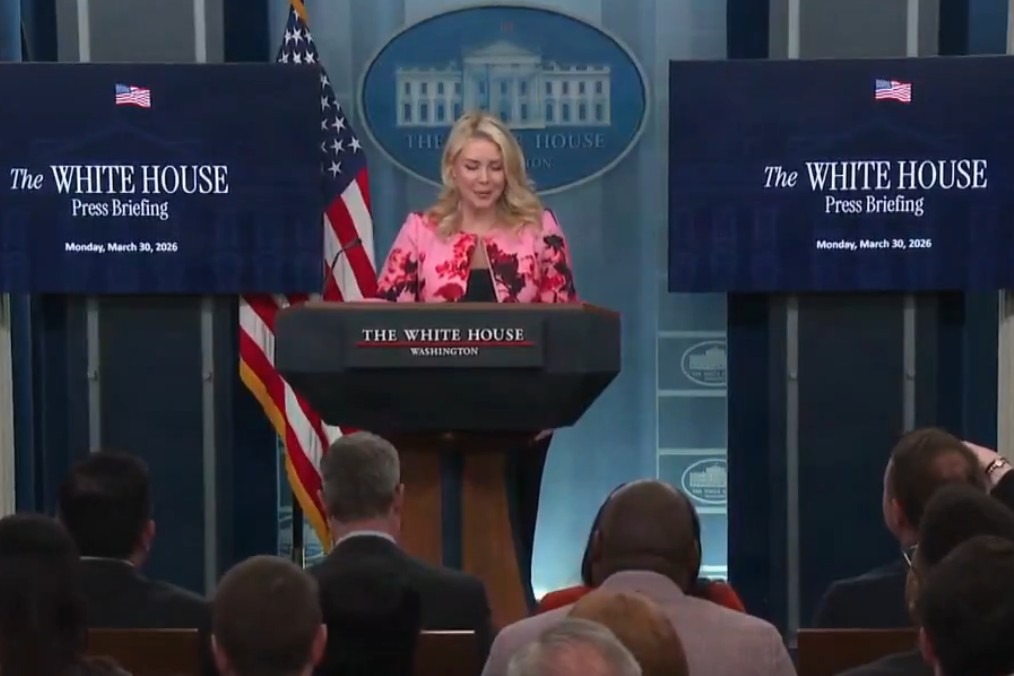
White House Press Secretary Karoline Leavitt clarified that the decision to allow the shipment was taken on a “case-by-case basis” to address the urgent needs of the Cuban population. “As the President said, we allowed this ship to reach Cuba in order to provide humanitarian needs to the Cuban people,” she stated, underlining that the step was an exception rather than a shift in policy.
Leavitt emphasised that US sanctions against Cuba remain firmly in place, dismissing speculation about any broader relaxation, particularly concerning oil shipments involving Russian tankers. “There has been no formal change with respect to sanction policy,” she said, adding that such decisions would continue to be evaluated individually.
The clarification came amid questions over whether Washington was softening its stance toward Cuba. Responding to queries about potential inconsistencies, Leavitt reiterated that the administration retains full authority to enforce sanctions, including seizing vessels that violate US regulations. At the same time, she noted that the President also reserves the right to grant exemptions in specific circumstances.
This dual stance — strict enforcement combined with selective flexibility — was further highlighted when she addressed questions regarding possible oil shipments from other countries. Referring to remarks by Mexican President Claudia Sheinbaum about exploring ways to resume supplies to Cuba, Leavitt maintained that US policy remains unchanged, though waivers could still be considered where appropriate.
While the Cuba decision drew attention, the White House also signalled broader strategic priorities, particularly in relation to its ongoing military campaign against Iran. Leavitt indicated that the administration is considering asking Gulf allies such as Saudi Arabia, Kuwait, and the United Arab Emirates to help share the financial burden of the operation. “I think it’s something the President would be quite interested in calling them to do,” she said, while noting that no final decision has been made.
The suggestion echoes past precedents, notably during the 1990–91 Gulf War, when allied nations contributed significantly to offset US military expenses. With the current campaign against Iran intensifying, questions around funding and long-term sustainability have come into sharper focus.
According to the White House, US military operations have already inflicted substantial damage on Iran’s capabilities. Leavitt stated that more than 11,000 targets have been struck so far, with Iranian missile and drone attacks reportedly reduced by around 90 percent. She added that over 150 naval vessels have been destroyed, leaving Iran’s navy “combat ineffective,” while nearly 70 percent of its missile, drone, and naval production infrastructure has been damaged or eliminated.
Despite the ongoing military pressure, Washington continues to pursue diplomatic engagement with Tehran. Leavitt described the current moment as a “once-in-a-generation opportunity” for Iran to abandon its nuclear ambitions, noting that talks are progressing positively behind the scenes. Public rhetoric, she suggested, may not fully reflect the tone of private discussions.
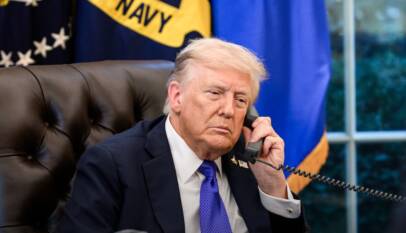
US President Donald Trump has also ordered a temporary 10-day pause on strikes targeting Iran’s energy infrastructure, creating space for negotiations. This pause underscores the administration’s stated preference for a diplomatic resolution, even as military operations continue in parallel.
The developments highlight the complexity of US foreign policy at a time of overlapping global challenges. From humanitarian considerations in Cuba to strategic calculations in the Middle East, Washington appears to be navigating a delicate balance between enforcement and flexibility.
As tensions persist and costs rise, the administration’s ability to sustain both its military commitments and diplomatic initiatives will remain under close scrutiny, both domestically and internationally.
(The content of this article is sourced from a news agency and has not been edited by the Mavericknews30 team.)





Iran Says Talks With US Focused on Finalising Peace MoU to End Conflict
Tehran, May 2026 : Iranian Foreign Ministry spokesman Esmaeil Baghaei has said that Iran a…
Iran Says Talks With US Focused on Finalising Peace MoU to End Conflict
Tehran, May 2026 : Iranian Foreign Ministry spokesman Esmaeil Baghaei has said that Iran …