US Steps Up Strikes on Iran While Pursuing Nuclear Deal, Signals Dual Strategy

Washington, March 2026 : The United States has intensified its military campaign against Iran even as it continues diplomatic efforts to curb Tehran’s nuclear ambitions, the White House said, outlining a dual-track strategy combining sustained pressure with negotiations.
White House Press Secretary Karoline Leavitt stated that the ongoing military operation was progressing “successfully and according to plan,” with more than 11,000 targets struck so far. She claimed that the campaign had significantly weakened Iran’s military capacity, noting that ballistic missile and drone attacks had dropped by nearly 90 percent.
According to Leavitt, US forces have destroyed over 150 Iranian naval vessels, rendering the country’s navy “combat ineffective.” She further said that nearly 70 percent of Iran’s defence industrial base — including missile, drone, and naval production facilities — has been damaged or destroyed. In addition, US and Israeli forces have achieved air dominance, completing over 11,000 successful combat flights.
Despite the escalation in military operations, Washington continues to engage Tehran diplomatically. Leavitt confirmed that talks are ongoing and described them as progressing positively, while cautioning that public statements may differ from private communications between the two sides.
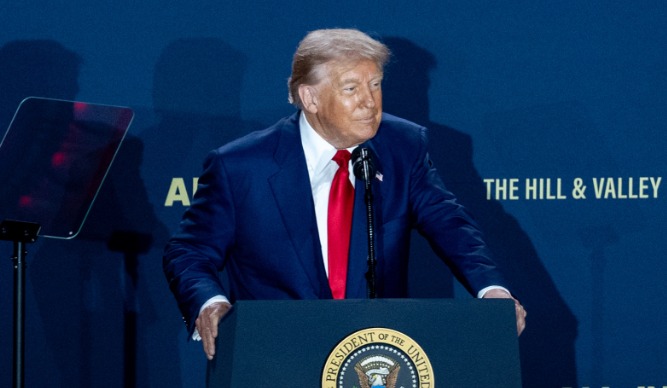
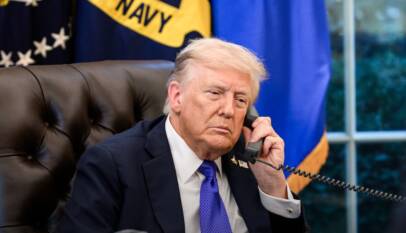
US President Donald Trump has announced a “ten-day pause” on planned strikes targeting Iran’s power plants and energy infrastructure, providing a window for negotiations to advance. The administration views this moment as a critical opportunity for Iran to permanently abandon its nuclear programme.
However, the White House also issued a stern warning, stating that if Iran refuses to reach an agreement, the US military stands ready to escalate further. Leavitt emphasised that the operation, now entering its 30th day, is expected to continue within a timeline of four to six weeks, or until its objectives are fully achieved. These goals include dismantling Iran’s missile and drone capabilities, neutralising its naval forces, and ensuring it does not acquire nuclear weapons.
While reiterating that diplomacy remains the preferred path, Leavitt said military pressure would continue alongside negotiations. She also noted that any assurances from Iranian interlocutors would be carefully verified, underscoring a cautious approach to any potential agreement.
The White House linked the ongoing campaign to broader strategic concerns, particularly ensuring that Iran cannot disrupt the global energy supply through the strategically vital Strait of Hormuz. The waterway remains a critical route for global oil shipments, making stability in the region a top priority for Washington and its allies.
The current escalation represents one of the most significant US military offensives against Iran in decades, reflecting longstanding tensions over Tehran’s nuclear programme and regional influence. For countries like India, the developments are being closely monitored due to their implications for energy security and the stability of global supply chains.
(The content of this article is sourced from a news agency and has not been edited by the Mavericknews30 team.)





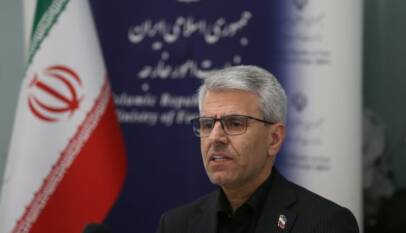
Iran Says Talks With US Focused on Finalising Peace MoU to End Conflict
Tehran, May 2026 : Iranian Foreign Ministry spokesman Esmaeil Baghaei has said that Iran a…
Iran Says Talks With US Focused on Finalising Peace MoU to End Conflict
Tehran, May 2026 : Iranian Foreign Ministry spokesman Esmaeil Baghaei has said that Iran …