Global Airbus A320 Software Recall Triggers Safety Directives and Temporary Disruptions; India and South Korea Advance Rapid Compliance

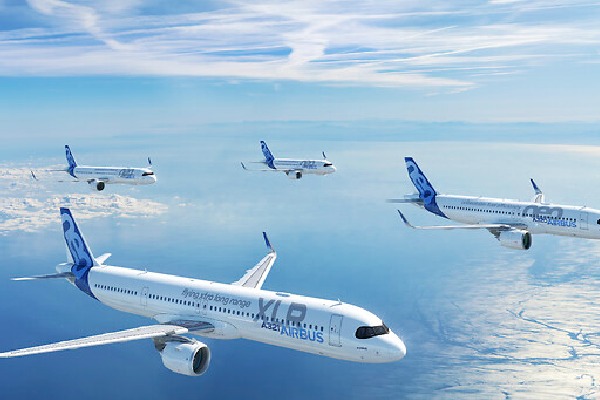
Nov 2025 : Aviation regulators and airlines across the world are racing to complete an urgent software update for thousands of Airbus A320-family aircraft after the manufacturer and global aviation authorities identified a critical safety risk linked to corrupted flight-control data. The unprecedented recall—affecting nearly 6,000 aircraft globally—has led to temporary groundings and expected flight disruptions over the weekend, though most operators project a return to normalcy within days.
The recall gained momentum after Airbus confirmed that an investigation into a recent in-flight incident revealed that intense solar radiation could corrupt data essential to the aircraft’s flight-control systems. The flaw, if triggered, could result in abrupt changes in aircraft pitch or other unintended behavior. While regulators stressed that no widespread danger to passengers currently exists, they also emphasized the need for immediate precaution.
South Korea: 42 Aircraft Affected, Upgrades Nearly Complete
In South Korea, the Ministry of Land, Infrastructure and Transport reported that 42 Airbus A320-series jets operated by Korean carriers are subject to the mandatory software update. The country operates about 80 aircraft in the A320 family through Korean Air, Asiana Airlines, Air Busan, Air Seoul and Aero K.
On Friday, Airbus issued a global recall after identifying a software flaw capable of producing severe flight-safety implications. The South Korean ministry immediately circulated the European Union Aviation Safety Agency’s (EASA) emergency airworthiness directive requiring rapid compliance.
Yoo Kyung-su, Director-General for Aviation Safety, noted that the update takes “less than an hour per aircraft,” and confirmed that about half of the affected South Korean fleet had already been updated by Friday night. “We expect full completion by Sunday morning,” he said.
Asiana Airlines reported that 17 of its 24 A320-family aircraft need the update but insisted that all work would take place during routine ground time, ensuring “no impact on flight operations.”
While South Korea expects minimal disruption, the picture is more complex globally. Airlines in Europe, the Middle East, and the Americas have temporarily grounded aircraft to accommodate the update, leading to scattered delays.
Global Context: Software Fault Linked to Major JetBlue Incident
The global recall was accelerated by an incident involving a JetBlue Airbus A320 operating from Cancun to Newark on October 30. The aircraft suddenly pitched down mid-air, injuring 15 passengers and forcing an emergency diversion to Tampa.
A preliminary investigation by the U.S. National Transportation Safety Board revealed the abrupt descent was linked to a fault in the aircraft’s flight-control system triggered during a switching event, potentially exacerbated by corrupted data. The incident prompted regulators—including EASA and the U.S. Federal Aviation Administration—to collaborate with Airbus and issue mandatory updates.
Newer A320 aircraft can receive the fix in as little as 30 minutes using a standard software-loader, while older models require additional hardware alignments, increasing downtime. This variation is partly responsible for the uneven global impact on airline schedules.
India: Major Operator of A320 Jets, DGCA Issues Strong Directive
India—one of the world’s largest markets for the Airbus A320 family—is experiencing a moderate level of operational disruption after the Directorate General of Civil Aviation (DGCA) issued a mandatory safety directive requiring immediate compliance.
IndiGo and Air India collectively operate more than 350 A320-series aircraft, making India one of the most significantly impacted nations. Both airlines have already grounded aircraft in phases to complete the required updates.
The DGCA directive states that no Airbus A318, A319, A320 or A321 aircraft may continue flying without completing the software update and, if required, associated hardware modifications. Operators have been instructed to update compliance records and certify each aircraft before returning it to service.
“Inspection and modification on this subject is mandatory,” the DGCA noted, adding that no operator may fly an aircraft not meeting the requirements outlined by the regulator and EASA.
Airbus Statement: Safety First, Disruption Unavoidable
In its public statement, Airbus acknowledged the inconvenience resulting from the global grounding but emphasized that passenger safety remains the priority.
“Analysis of a recent event involving an A320 Family aircraft has revealed that intense solar radiation may corrupt data critical to the functioning of flight controls. Airbus has worked proactively with the aviation authorities to request immediate precautionary action from operators and ensure the fleet remains safe to fly,” the company said.
Airbus admitted that a “significant number” of aircraft worldwide are potentially affected and expressed regret that the necessary updates will cause temporary flight disruptions.
Air India and IndiGo Progress Updates
Air India stated that its engineering teams are “working round-the-clock” to realign the software and hardware in compliance with Airbus and EASA directives. The airline reported that over 40 percent of its affected fleet had been updated by Saturday and expressed confidence in meeting the regulatory deadline.
“There have been no cancellations due to this task, and there is no major impact on schedule integrity across our network,” Air India said, while cautioning that minor delays or rescheduling of select flights may occur.
IndiGo, the world’s largest operator of A320 aircraft, is following a similar phased grounding strategy to minimize passenger inconvenience. Both carriers expect to restore normal schedules by Monday or Tuesday.
Global Impact: 6,000 Aircraft Undergoing Updates
Worldwide, approximately 6,000 A320-family aircraft will require the software patch. Airlines across multiple continents have asked passengers to monitor their flight status closely over the weekend. Most carriers anticipate normalization by December 1 or 2, barring unforeseen hardware complications on older aircraft.
Conclusion
As the world’s most widely used narrow-body aircraft undergoes an unprecedented synchronized safety update, regulators, airlines, and Airbus are working aggressively to ensure minimal operational impact. While passengers may experience short-term delays, aviation experts emphasize that the swift, coordinated response highlights the aviation industry’s robust safety systems and commitment to preventing potential risks before they escalate.








South Africa Midfielder Jayden Adams Dies at 25, Nation Mourns Rising Football Star
Johannesburg, July 2026 : South African football has been plunged into mourning following …

South Africa Midfielder Jayden Adams Dies at 25, Nation Mourns Rising Football Star
Johannesburg, July 2026 : South African football has been plunged into mourning following the …