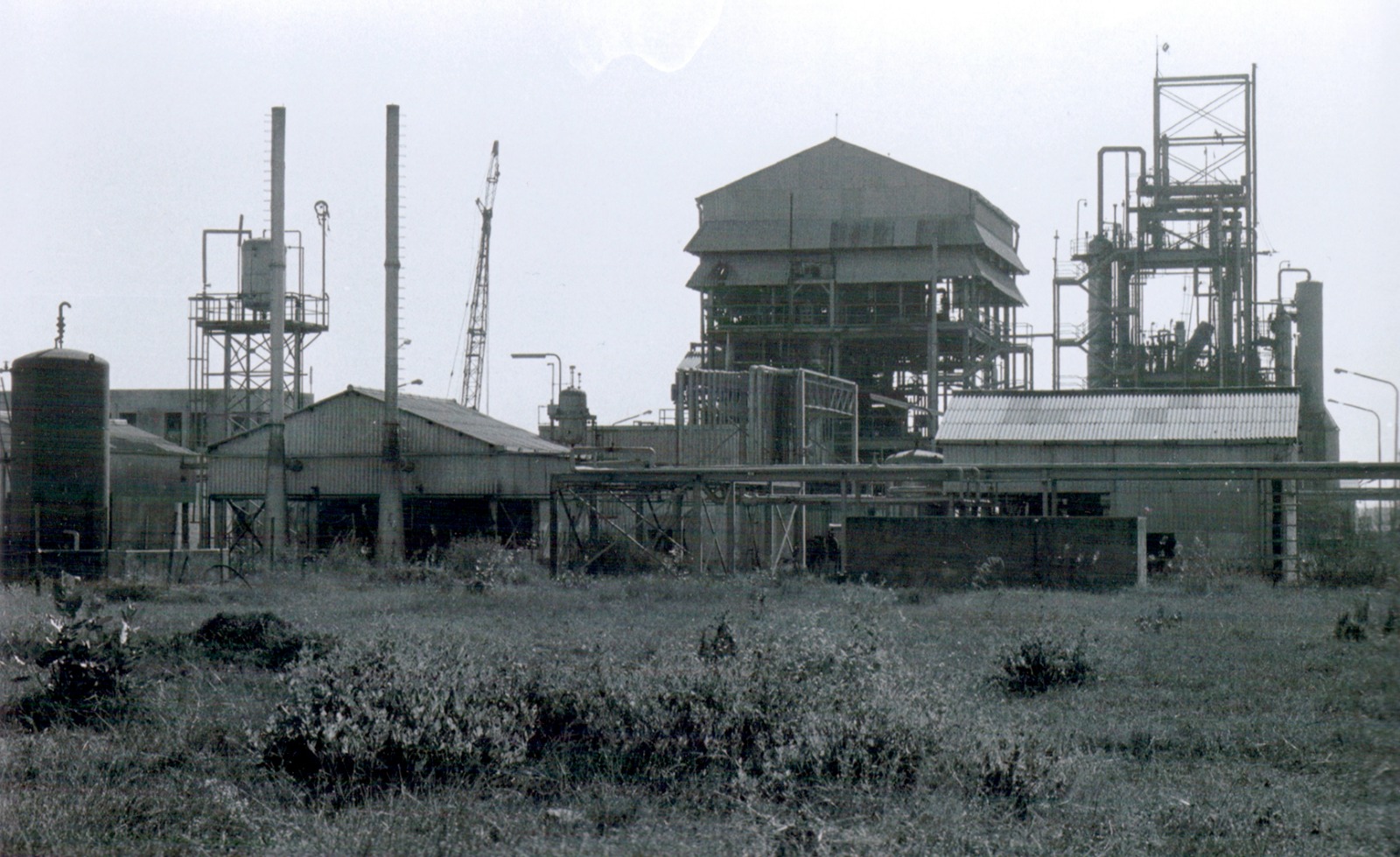
Four Decades After Gas Tragedy, Madhya Pradesh Confronts New Challenge of Toxic Ash Disposal

Dec 2025 : As the world marks 41 years since the Bhopal Gas Tragedy — the worst industrial disaster in history — Madhya Pradesh continues to grapple with its long-lasting consequences. A major breakthrough came earlier this year when 358 metric tons of toxic waste from the defunct Union Carbide plant was finally transported from Bhopal to Pithampur on January 1. For the residents of the ‘City of Lakes,’ this was the most significant relief in decades.
Moving the hazardous waste, however, was only the first step. The state administration then faced the difficult task of convincing local communities who opposed the transfer and feared severe environmental and health risks. Under the leadership of Chief Minister Mohan Yadav, the government managed extensive consultations, assuring residents that the waste would be incinerated with strict safeguards to protect people, water sources, and the surrounding ecosystem.
After months of resistance and negotiations, the toxic waste was successfully incinerated in multiple phases. But instead of closing the chapter, a new challenge emerged: the disposal of nearly 900 metric tons of residual ash left behind after the incineration process.
This issue intensified when the Madhya Pradesh High Court, in October, rejected the state government’s proposal to store the ash. As a result, these 900 tons of hazardous residue remain sealed in containers at the private facility where the incineration was carried out, leaving the long-term solution still unresolved.
A senior official from the Bhopal Gas Tragedy Relief and Rehabilitation Department told IANS that the state government is now exploring alternative disposal methods. A fresh proposal is expected to be submitted to the High Court in the coming weeks, seeking permission for a new course of action that could permanently resolve the issue.
Meanwhile, in Bhopal, survivors of the 1984 disaster continue their decades-long struggle for justice. Several cases remain pending in both the Bhopal District Court and the Supreme Court. Among the unresolved questions is whether Indian courts can legally pursue charges against Union Carbide’s former CEO Warren Anderson, who passed away in 2014.
The tragedy, caused by the leak of the lethal methyl isocyanate gas from Union Carbide’s pesticide plant on the night of December 2–3, 1984, claimed at least 5,479 lives and left thousands more with lifelong health complications. Even after four decades, the fight for accountability, justice, and environmental safety continues.
Team Maverick.




Wimbledon Final Locked at One Set Each as Sinner Fights Back Against Zverev
London, July 2026 : World No. 1 Jannik Sinner displayed remarkable resilience to fight bac…

Wimbledon Final Locked at One Set Each as Sinner Fights Back Against Zverev
London, July 2026 : World No. 1 Jannik Sinner displayed remarkable resilience to fight …