Europe Plans Independent Naval Mission to Secure Strait of Hormuz After Conflict

Washington, April 2026 : European nations are working on an ambitious postwar strategy to safeguard commercial shipping through the strategically vital Strait of Hormuz, signalling a notable shift in trans-Atlantic security dynamics as tensions linked to the Iran conflict continue to reshape global alliances.
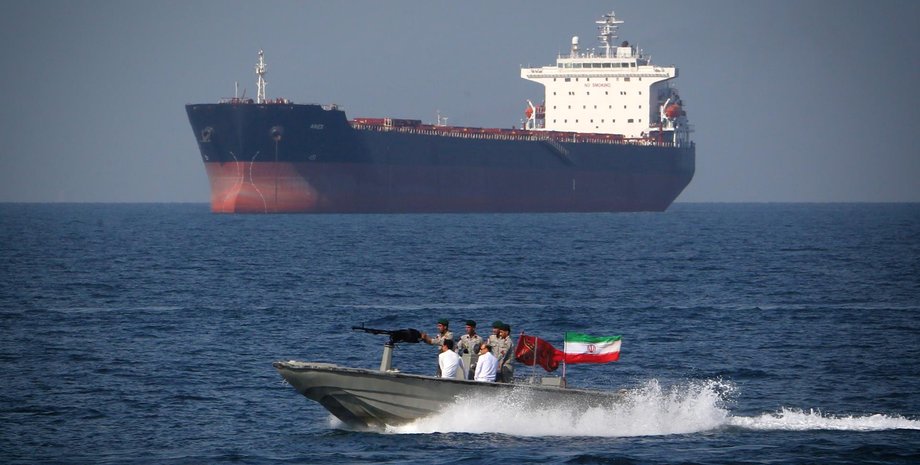
The proposed initiative, spearheaded by the United Kingdom and France, aims to establish a multinational maritime coalition that would operate independently of the United States. The mission’s primary objective is to restore confidence among global shipping companies and ensure safe navigation through one of the world’s most critical oil transit chokepoints once hostilities subside.
According to officials cited in a The Wall Street Journal report, the coalition would deliberately exclude countries directly involved in the conflict, including the United States, Israel, and Iran. Instead, it would focus on neutral, defensive operations such as mine clearance and naval patrols.
French President Emmanuel Macron emphasized that the mission would strictly serve defensive purposes, with European naval forces operating under their own command structure rather than under US leadership. The goal, he said, is to reassure global shipping firms that trade routes will be secure in the aftermath of the conflict.
The initiative is expected to be launched only after a cessation of hostilities. French Foreign Minister Jean-Noël Barrot indicated that coordination with regional stakeholders, including Iran and Oman, would be essential. This raises the possibility that Tehran’s approval could be required before any deployment takes place.
Germany is also anticipated to play a significant role in the operation. Despite its traditionally cautious stance on overseas military engagements, Berlin is reportedly considering contributing naval vessels and surveillance capabilities, which could enhance the mission’s operational strength.
The European plan revolves around three core objectives. First, it seeks to facilitate the safe exit of hundreds of commercial vessels currently stranded in the strait due to ongoing hostilities. Second, it aims to undertake extensive demining operations following reports that Iran deployed naval mines in parts of the waterway early in the conflict. Third, it proposes establishing naval escorts and surveillance systems to ensure continued safe passage for commercial shipping.
Experts caution that demining efforts could be time-consuming. While Europe retains significant minesweeping capabilities, even more so than the United States in recent years, restoring full անվտանգ navigation will likely require sustained effort. Analysts believe that a continued Western naval presence may be necessary even after a ceasefire to reassure insurers and shipping operators.
The proposed mission draws partial inspiration from the European Union’s Operation Aspides, which successfully coordinated naval escorts to protect commercial vessels from attacks in the Red Sea. However, the Hormuz initiative would remain distinct from earlier US-led maritime operations in the region.
The move comes amid widening differences between European capitals and Washington. US President Donald Trump has called on European allies to take stronger, potentially forceful action to reopen the strait. European leaders, however, have expressed concerns that such an approach could escalate tensions further and increase risks to commercial shipping, particularly from missile threats.
Officials have also reached out to China and India to participate in discussions, though their level of involvement remains uncertain.
Carrying nearly one-fifth of the world’s oil supply, the Strait of Hormuz is a critical artery for global energy markets. Any prolonged disruption has far-reaching consequences, particularly for major importers like India.
The evolving European plan reflects a broader strategic recalibration, with European nations preparing to assume greater responsibility for securing key international trade routes amid growing uncertainty over the future role of US military leadership in global security affairs.
(The content of this article is sourced from a news agency and has not been edited by the Mavericknews30 team.)




Japanese F-2 Fighter Reloaded With New Large Stealth Cruise Missile Under Its Wings.
Gifu Air Field, Kakamigahara City, Japan; August 2026: Yesterday (Friday – 31st July 2026)…
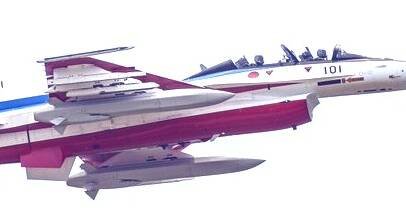
Japanese F-2 Fighter Reloaded With New Large Stealth Cruise Missile Under Its Wings.
Gifu Air Field, Kakamigahara City, Japan; August 2026: Yesterday (Friday – 31st July 2026) …