Slovakia Intends To Block The 20th Package Of Sanctions, Wants Guarantees Regarding Druzhba.

Bratislava; April 2026: Slovakia is ready to block the adoption of the upcoming 20th package of European Union sanctions against Russia for its aggression against Ukraine until Bratislava receives guarantees regarding the resumption of the Druzhba oil pipeline. Slovak Foreign Minister Juraj Blanár said this today. He later said that Bratislava would block the sanctions until the Druzhba pipeline is operational again. According to him, Slovakia will not be against the release of the EU loan for Ukraine in the amount of 90 billion euros (2.2 trillion crowns), which has been blocked by Hungary so far. This is expected after the victory of the opposition Tisza party in Sunday’s parliamentary elections.
Russian oil through the Druzhba pipeline through Ukraine stopped flowing to Slovakia and Hungary on January 27th 2026. Slovakia and Hungary have repeatedly accused Kiev of delaying the resumption of crude oil shipments for political reasons. Ukrainian President Volodymyr Zelensky said during a visit to Germany on Tuesday that the Druzhba pipeline would be operational again by the end of April. Kiev had previously claimed that the pipeline was damaged by a Russian attack.
Blanár announced Slovakia’s position on further anti-Russian sanctions before members of the European Committee of the Slovak Parliament. He said that Slovakia wants a clear, transparent and verifiable declaration that the Druzhba oil pipeline will be restarted. In the past, Slovak government representatives have claimed that they would support sanctions against Russia as long as they do not harm Slovak interests.
“If the Druzhba pipeline is not put into operation and the approval of the twentieth package is on the table, we will not approve it. We have no other tools to force Zelenskyy, together with the European Commission, to put Druzhba into operation,” Blanár said in the Chamber of Deputies’ meeting hall, where he was answering questions from deputies. Government politicians in Slovakia have previously criticized the European Commission, for example, for not forcing Kiev to inspect the damaged pipeline, according to them.
According to earlier information, Slovakia and Hungary were against the new package of anti-Russian sanctions at the February meeting of EU foreign ministers. Budapest claimed at the time that it would block the adoption of these sanctions unless Ukraine resumed the transit of Russian oil to Hungary.
According to Blanár, the stance of the new Hungarian government in the making suggests that it is ready to support the release of the EU loan to Ukraine. This was blocked by Hungarian Prime Minister Viktor Orbán, whose Fidesz party suffered a defeat in the weekend parliamentary elections. Slovak Prime Minister and Orbán ally Robert Fico said in March in connection with the aforementioned loan that Slovakia is ready to take over from Hungary if necessary.
Both Orbán and Fico’s governments have long advocated the import of Russian energy and have also opposed the EU’s decision to gradually end natural gas imports from Russia. After the interruption of oil supplies via Ukraine, the government in Bratislava declared a state of oil emergency and released oil from state reserves to the Bratislava refinery Slovnaft, which belongs to the Hungarian oil and gas group MOL, then secured alternative oil supplies via the Adria pipeline and has already returned the borrowed raw material to the state.
In the 20th sanctions package, the European Union plans to completely ban maritime shipments of Russian oil instead of imposing a price cap. These measures could affect up to 30-40% of Russia’s oil exports.
Team Maverick.



Prime Minister Addresses the Indian Diaspora in New Zealand
Prime Minister Shri Narendra Modi addressed a huge gathering of the Indian diaspora New Ze…
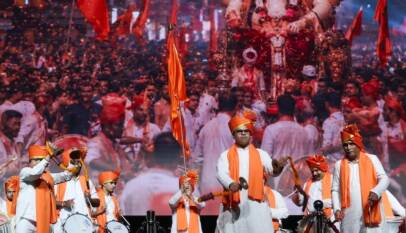
Prime Minister Addresses the Indian Diaspora in New Zealand
Prime Minister Shri Narendra Modi addressed a huge gathering of the Indian diaspora New …