In A Step Towards Stability And Growth Pack, European Council Opens Excessive Deficit Procedure For Finland.

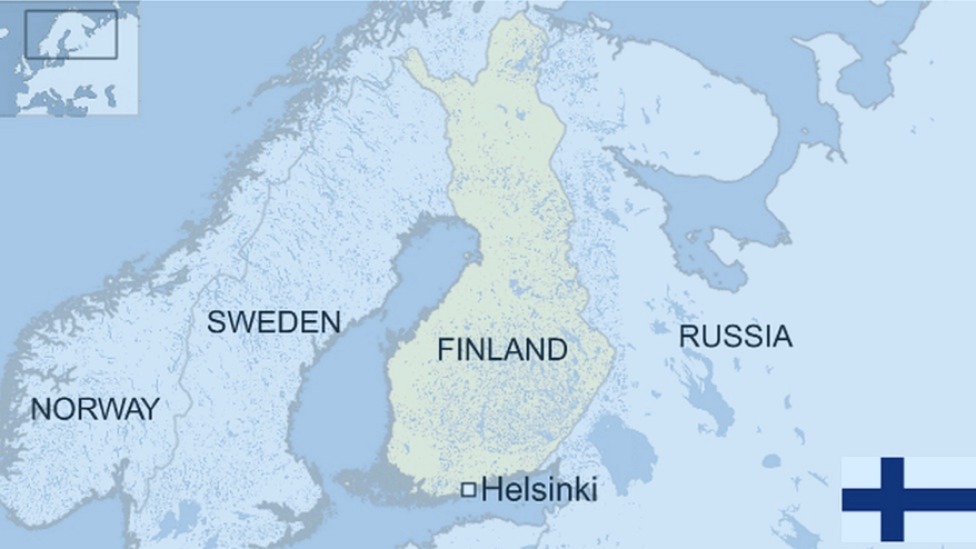
January 2026: The European Council today has opened an excessive deficit procedure (EDP) concerning Finland. It also adopted a recommendation to Finland outlining the net expenditure path and timeline that should be followed to put an end to its excessive deficit by 2028.
The excessive deficit procedure (EDP) is a mechanism designed to ensure that EU member states return to or maintain discipline in their governments’ budgets. The EDP mechanism is designed to ensure that EU member states return to or maintain discipline in their governments’ budgets. Procedures are launched when a member state runs a government deficit exceeding the Treaty reference value of 3% of GDP, in accordance with Article 126(3) of the Treaty on the Functioning of the European Union.
Economic and budgetary policies are very important to member states. They view them as a matter of common concern. To limit government deficit and debt, member states have agreed reference values, which they have enshrined in the EU treaties: a 3% deficit ratio and a 60% debt ratio. The ratios are always calculated relative to a member state’s GDP.
All member states must avoid exceeding these reference values. They have to avoid running excessive government deficits and they need to reduce excessive debt. The aim of excessive deficit procedure is to deter excessive government deficits and, if they occur, to prompt their correction. The rules of the EDP are set out in the ‘corrective arm’ of the Stability and Growth Pact (SGP) which was recently revised.
Earlier, due to COVID-19, the EU had suspended its budgetary rules for all member states between 2020 and 2023 by activating the general escape clause. The general escape clause is no longer in force and has not been since 2024. The EU has therefore relaunched the deficit-based EDP procedure under the new rules of the revised economic governance framework.
On 26th July 2024, the Council had re-launched the excessive deficit procedure against several member countries following the proposals laid by the Commission – namely, Belgium; France; Italy; Hungary; Malta; Poland; Slovakia; Romania.
The Council’s decision to open an EDP today is warranted given Finland’s 4.4% budget deficit in 2024 and planned budget deficit of 4.3% in 2025. Finland’s use of the national escape clause for defence spending under the stability and growth pact, which allows member states to have an excess deficit of 1.5% without triggering an EDP, does not fully explain Finland’s deficit.
In its recommendation, the Council stipulates that Finland should therefore take effective action and present by 30 April 2026 the necessary measures to reduce its deficit. Finland should also ensure that its nominal cumulative net expenditure growth rate does not exceed 2.5% in 2026, 4.1% in 2027 and 5.9% in 2028.
Member states must comply with budgetary discipline on the basis of criteria and reference values set in the EU Treaties: their deficit should not exceed 3% of their gross domestic product (GDP) and their debt should not exceed 60% of their GDP. All member states have to respect these Treaty reference values.
If an excessive deficit occurs in a member state, the aim of the EDP is to prompt its correction by putting member states under enhanced scrutiny and providing recommendations for them to take effective action to correct the deficit. Ultimately, the goal is to strengthen member states’ fiscal sustainability.
Once it launches an EDP based on a recommendation by the Commission, the Council also makes a recommendation to the member state concerned to take effective action to bring the situation of excessive deficit to an end within a set deadline.
In its recommendation, the Council requests that the member state implements a corrective net expenditure path which ensures that the general government deficit is brought and maintained below the 3% of GDP reference value within the deadline set in the recommendation.
Team Maverick.






US President Reaffirms Hitting Iran Hard For The Entire Next Week.
Washington DC: April 2026: Immediately after returning from the Supreme Court after the co…

US President Reaffirms Hitting Iran Hard For The Entire Next Week.
Washington DC: April 2026: Immediately after returning from the Supreme Court after the completion …