‘Sagareshwar Model’ of Nature Conservation: India’s First Man-Made Green Paradise

March 21 is celebrated worldwide as International Day of Forests, an initiative aimed at raising awareness about the importance of forests, conserving biodiversity, and inspiring people to maintain ecological balance. At a time when concrete jungles are expanding rapidly, the Yashwantrao Chavan Sagareshwar Wildlife Sanctuary stands as a remarkable and inspiring example of nature conservation.
Sagareshwar Wildlife Sanctuary represents a unique blend of natural beauty, cultural heritage, and human effort. What makes it truly special is that, unlike most wildlife sanctuaries, it is not naturally developed. Instead, it is India’s first man-made sanctuary, created through collective efforts of local people.
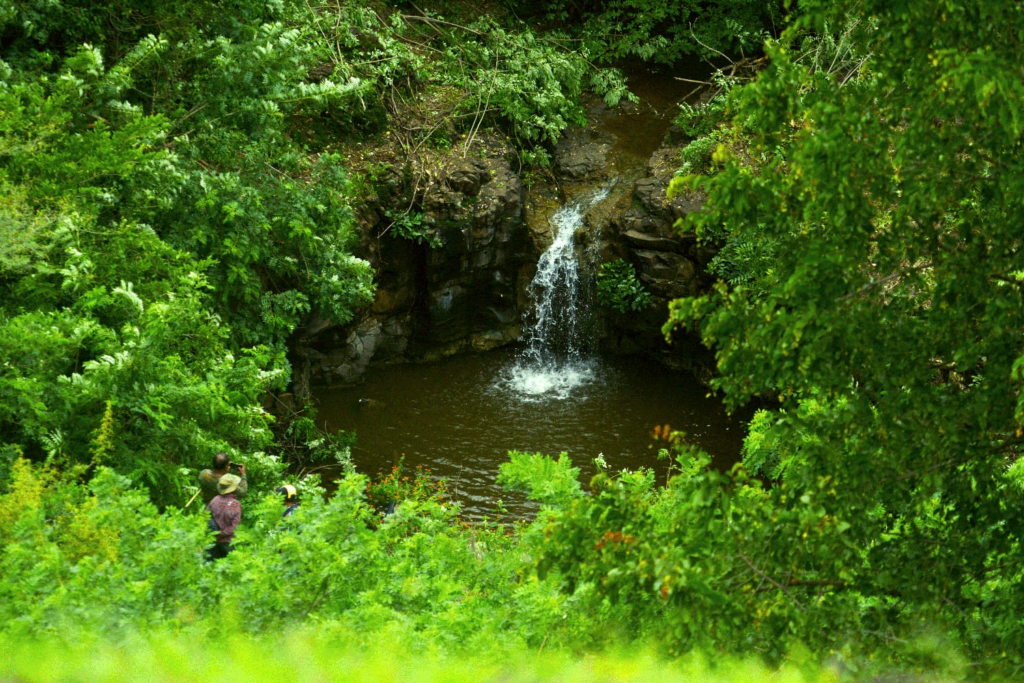
Once, the region consisted of barren hills and dry wasteland. However, through the relentless efforts of environmentalist Dhondu Mohite, this barren land was transformed into a lush green paradise. Despite challenging conditions, he mobilized local communities and carried out continuous afforestation drives, resulting in a thriving forest spread over 10.87 square kilometers today.
Located at the confluence of the Kadegaon, Walwa, and Palus talukas in Maharashtra, the sanctuary has now become a haven for nature lovers and wildlife enthusiasts. The landscape includes grassy hills, dry deciduous forests, and open grasslands. Notably, unlike other sanctuaries, Sagareshwar has no perennial natural water sources. Yet, through effective human planning, various tree species such as tamarind, neem, eucalyptus, babul, teak, khair, palash, and golden shower have been successfully cultivated here.
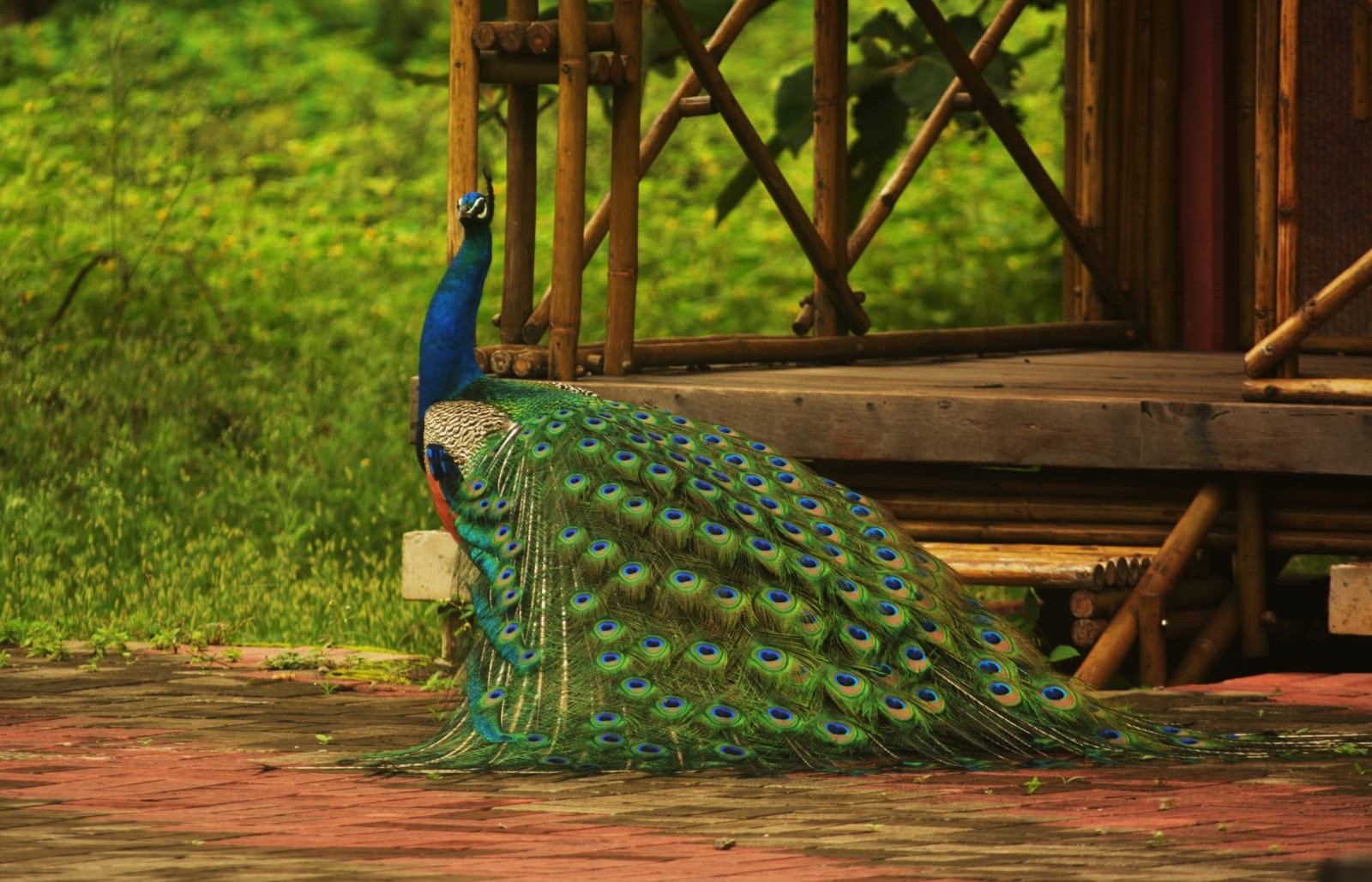
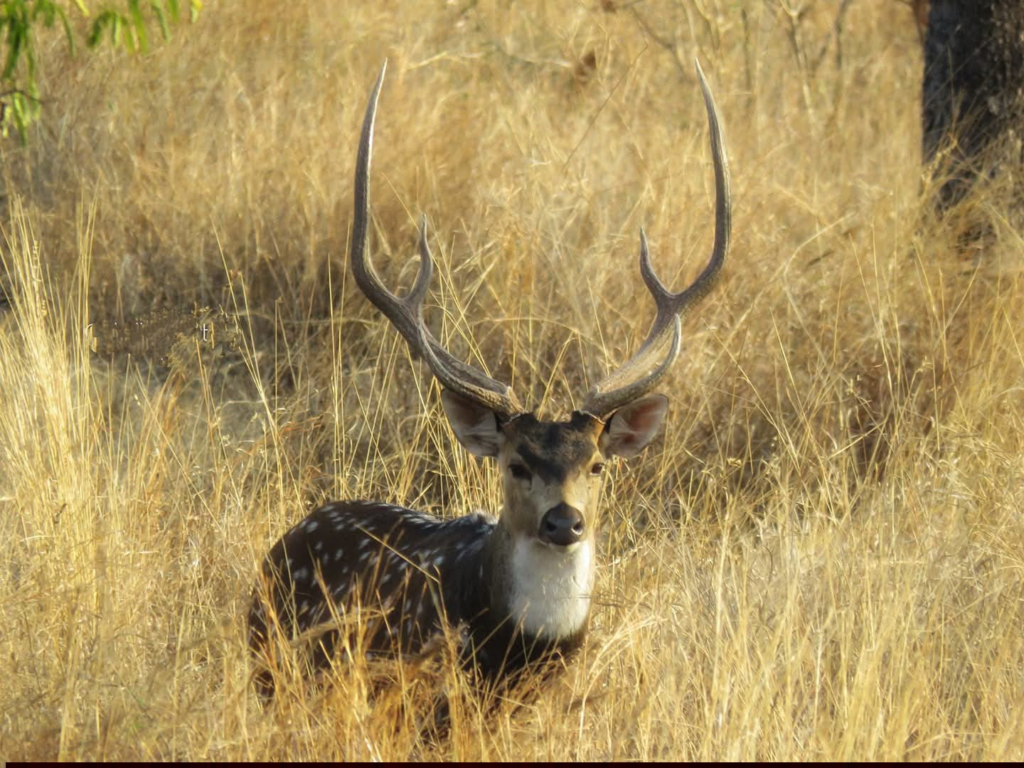
This rich greenery has attracted a wide range of wildlife. Species like sambar, blackbuck, spotted deer, and muntjac roam freely in the sanctuary. In addition, animals such as wild boar, fox, hyena, and porcupine enhance the wildlife experience. The sanctuary is also home to vibrant peacocks and numerous bird species, making it a delight for bird watchers. A variety of snakes and butterflies further contribute to maintaining the ecological balance of this delicate ecosystem.
The best time to visit the sanctuary is during the monsoon season, from June to September–October, when the natural beauty is at its peak.
In today’s context of rising population, urbanization, and deforestation leading to climate change and global warming, the Sagareshwar model offers a powerful lesson. It demonstrates how human effort, when aligned with environmental responsibility, can restore ecological balance.
This example highlights the urgent need to preserve our relationship with nature and build a greener future for coming generations. Beyond relying solely on governments, citizens must actively participate in tree plantation, conservation, and adopting eco-friendly lifestyles. Only then can we ensure a sustainable and secure future for all.







NASA Moves Artemis II Rocket to Launch Pad Ahead of Crewed Lunar Mission
Florida, March 2026 : NASA has successfully rolled out its powerful Space Launch System (S…

NASA Moves Artemis II Rocket to Launch Pad Ahead of Crewed Lunar Mission
Florida, March 2026 : NASA has successfully rolled out its powerful Space Launch System …