Eid-ul-Fitr Celebrated Worldwide Amid Joy, Reflection and Shadow of Conflict

New Delhi, March 2026 : The festival of Eid-ul-Fitr is being observed by Muslims across the world, including India, with prayers, feasts, and social gatherings marking the end of the holy month of Ramadan. While the occasion is traditionally filled with joy and festivity, celebrations in parts of West Asia have remained subdued this year due to ongoing conflicts, casting a shadow over the otherwise vibrant atmosphere.
Ramadan, the ninth month of the Islamic lunar calendar, holds immense spiritual significance for Muslims. It commemorates the revelation of the Holy Quran to Prophet Muhammad through the angel Gabriel. During this sacred period, Muslims observe fasting from dawn to dusk, abstaining from food and drink while focusing on prayer, charity, and self-discipline. The month is seen as a time of purification, reflection, and strengthening of faith.
Eid-ul-Fitr, often referred to as the “festival of breaking the fast,” marks the culmination of this month-long spiritual journey. It falls on the first day of Shawwal, the tenth month of the Islamic calendar, following the sighting of the crescent moon. Due to the lunar nature of the calendar, the exact date may vary across regions depending on moon sightings and weather conditions.
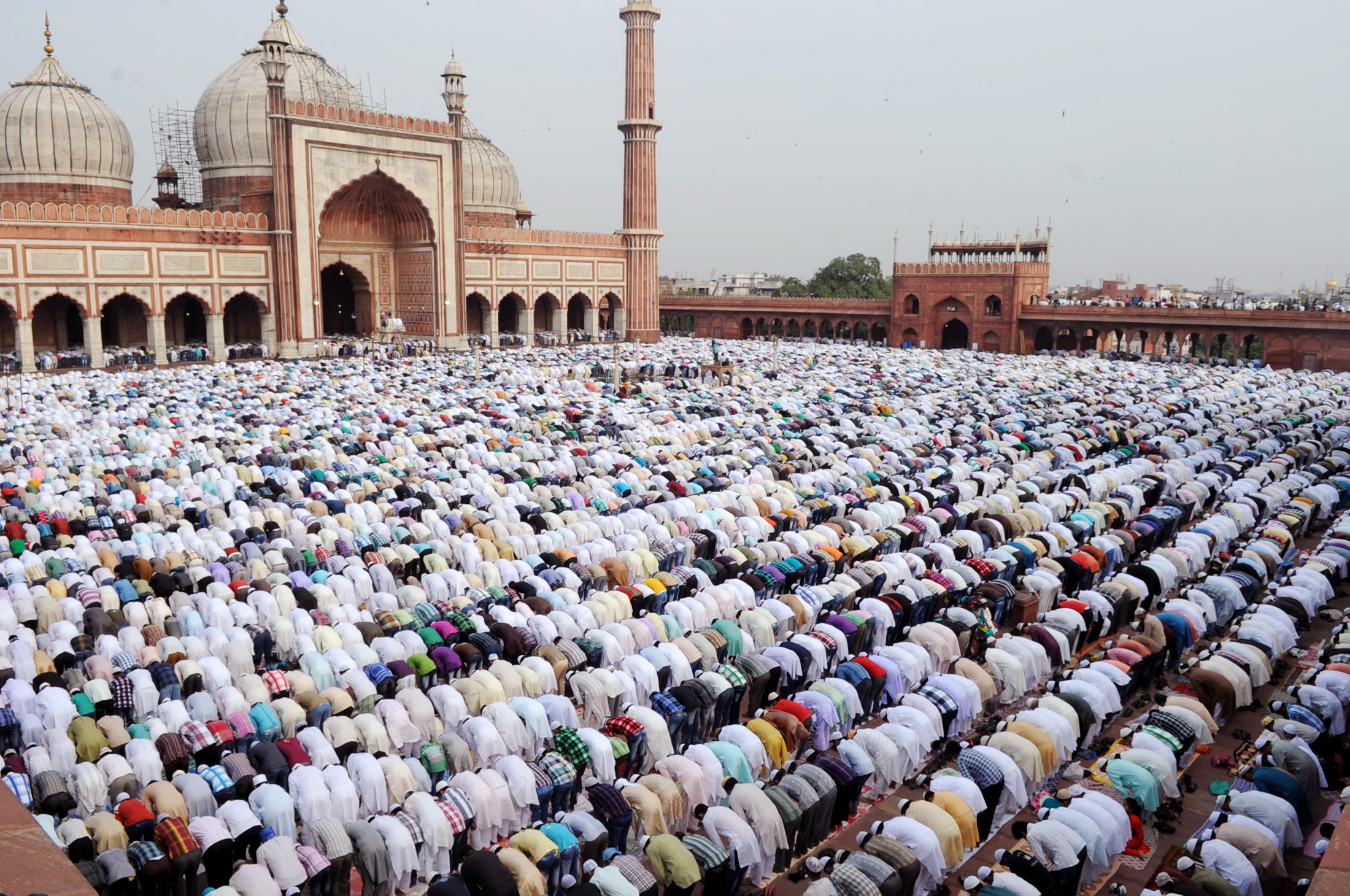
The day begins with a special congregational prayer held shortly after sunrise at mosques and open grounds. Unlike the regular daily prayers, this prayer includes additional recitations glorifying Allah and does not follow the traditional call to prayer. Before attending the prayer, Muslims are required to give charity, known as Zakat al-Fitr, ensuring that even the less fortunate can partake in the celebrations.
It is customary for people to eat something—often dates—before heading to the prayer grounds, symbolising the end of fasting. Wearing new or their best clothes is another cherished tradition, reflecting the joy and gratitude associated with the festival.
Eid-ul-Fitr is one of the two major Islamic festivals, the other being Eid al-Adha. The day is marked by both formal and informal celebrations, including visiting relatives, exchanging greetings, and sharing meals. Families gather to enjoy festive dishes, while children receive gifts and money, adding to the celebratory spirit.
In many countries, the festivities extend beyond a single day, often lasting up to three days or more. Governments in several nations have declared extended public holidays—sometimes up to four days—allowing people to spend time with their families and participate fully in the celebrations.
However, this year’s Eid has been tempered in parts of West Asia due to ongoing conflict and instability. In affected regions, many families are observing the festival quietly, mindful of the hardships faced by communities impacted by violence. The contrast highlights how global events can influence even the most cherished traditions.
Historically, Eid-ul-Fitr was established in 624 CE by Prophet Muhammad in Madinah after the completion of the first Ramadan fast following the Hijra (migration). Since then, it has remained a cornerstone of Islamic culture and faith.
Beyond its festive aspects, Eid-ul-Fitr carries deep spiritual meaning. It is a time to express gratitude to Allah for the strength to complete the fast and for the blessings received. The festival also emphasises compassion, generosity, and community bonding, encouraging people to support those in need.
As millions celebrate across the globe, Eid-ul-Fitr continues to stand as a powerful symbol of faith, unity, and kindness—reminding people of shared values even in challenging times.


Pakistan Appoint Mike Smith as Test Batting Coach Amid Batting Crisis
Mumbai, Aug 2026 : Pakistan have appointed former South African first-class cricketer and …

Pakistan Appoint Mike Smith as Test Batting Coach Amid Batting Crisis
Mumbai, Aug 2026 : Pakistan have appointed former South African first-class cricketer and Level …