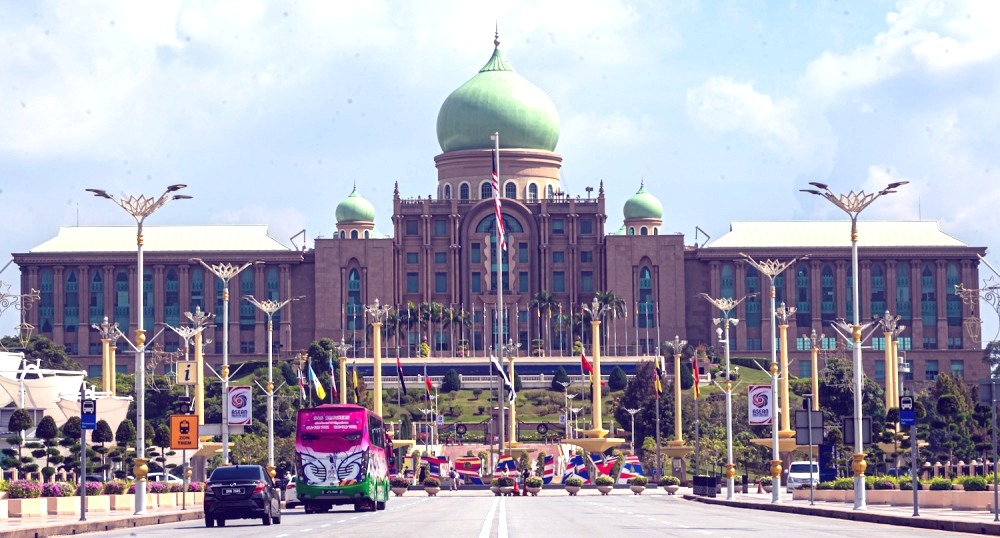
Malaysian Government Introduces Starch Measures To Mitigate Energy Crisis.

Kualalumpur; April 2026: As a proactive response to the global energy crisis, the Malaysian government will implement several energy-saving measures at the national level, Malaysia’s Deputy Prime Minister Datuk Seri Fadillah Yusof said at the Global Energy Crisis Briefing, yesterday (02nd April 2026).
Energy controls in government buildings will be tightened, including setting air-conditioning temperatures at no lower than 24°Celsius, following the global energy crisis, Fadillah further stated while advicing the civil servants to wear attire better suited to the local climate, such as batik, corporate shirts or baju Melayu, to reduce reliance on excessive cooling. He said the measures reflect the government’s commitment to leading by example in prudent energy use.
Yesterday, Prime Minister Anwar Ibrahim announced in a video message that a work-from-home policy will be introduced from April 15 for the public sector and government-linked companies. The decision, made at a Cabinet meeting, aims to cut fuel consumption and ensure the sustainability of the nation’s energy supply amid the ongoing global energy crisis. Federal civil servants stationed in Kuala Lumpur, Putrajaya as well as Selangor and all state capitals with a one-way commute exceeding eight kilometres are eligible to work from home (WFH) beginning April 15.
The matter was stated in a circular dated today and signed by Public Service director-general Tan Sri Wan Ahmad Dahlan Abdul Aziz, as part of measures to cushion the impact of the global energy crisis arising from the West Asia conflict. “The Human Resource Services Circular (PPSM) SR.4.1.2: Work from Home Policy provides for the policy, conditions and regulations governing WFH. “The phased implementation of WFH is a strategic measure by the government to strengthen preparedness in addressing the global energy crisis following the conflict in West Asia”, the circular read.
It stated that several sectors are exempted, including security and defence services such as the Malaysian Armed Forces (ATM), Royal Malaysia Police (PDRM), Fire and Rescue Department, Prisons Department, Malaysian Maritime Enforcement Agency, Border Control and Protection Agency (AKPS) and Immigration Department.
Meanwhile Fadillah said Malaysia remains in a stable position but is ready to take proactive measures to manage the impact of the global energy crisis, triggered by conflict in West Asia that has disrupted supply and driven up oil prices. “We are now in a challenging phase of the global economic landscape. The ongoing global energy crisis, following conflict in West Asia, has had a direct impact on energy supply and prices worldwide”, he said.
He noted that disruptions to key routes such as the Strait of Hormuz, which is a vital artery for global oil flows, have heightened market uncertainty and pushed prices higher. As an open economy, Malaysia is not insulated from the fallout, he said. “We must remain vigilant and take precautionary measures should the crisis persist”, Fadillah said, adding that the government recognises public concern over the crisis, and that its response will be clear, coordinated and focused on key priorities.
Team Maverick.





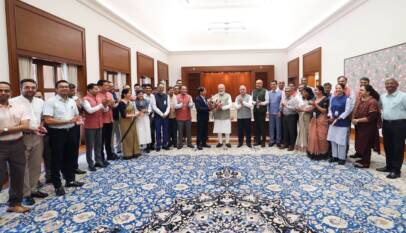
Prime Minister Modi Gives Maharashtra’s Development a New Direction: Chief Minister Devendra Fadnavis
Maharashtra Congratulates PM on Historic Longest Continuous Service New Delhi, June 2026: …
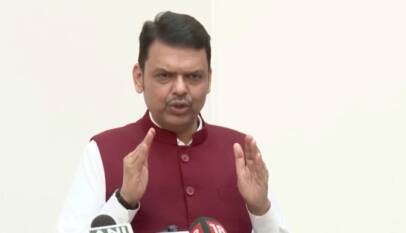
Prime Minister Modi Gives Maharashtra’s Development a New Direction: Chief Minister Devendra Fadnavis
Maharashtra Congratulates PM on Historic Longest Continuous Service New Delhi, June 2026: Maharashtra Chief …