Veneration of the Dead

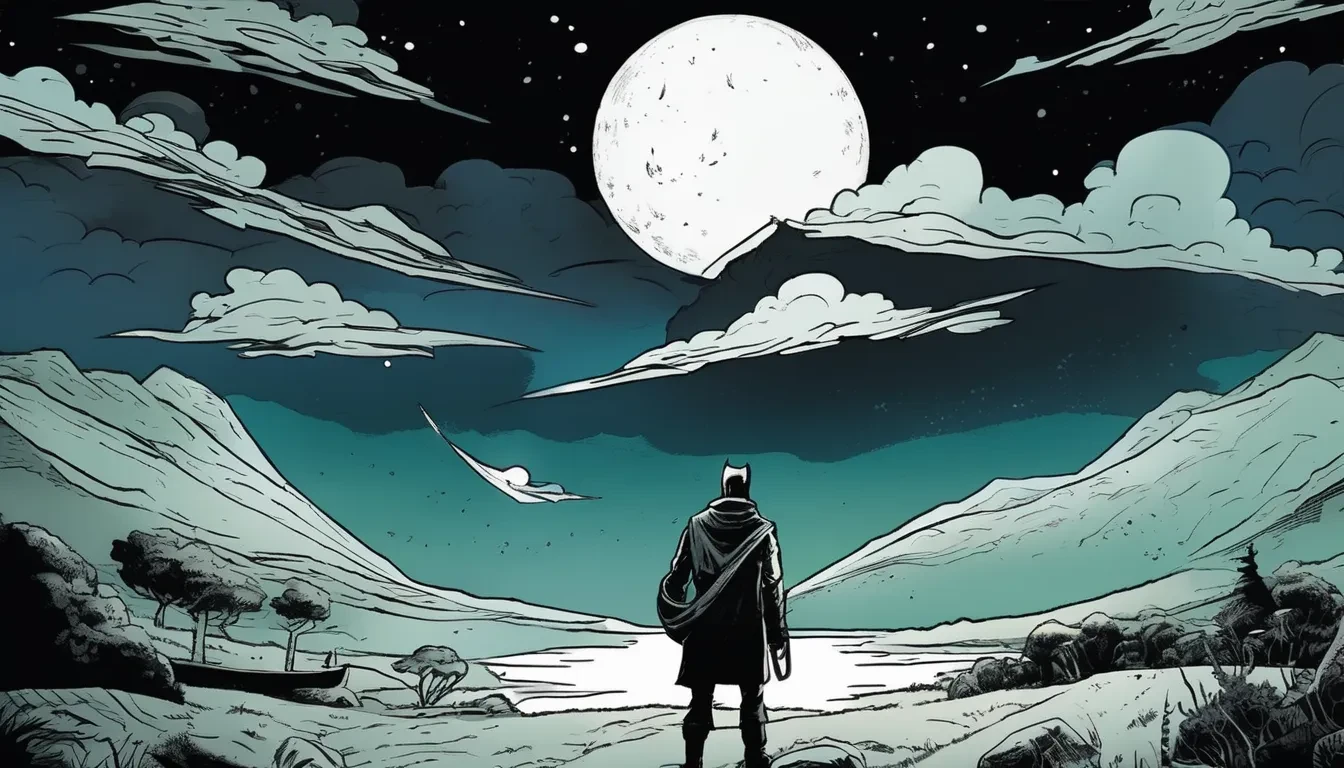
The veneration of the dead, including one’s ancestors, is based on love and respect for the deceased. In some cultures, it is related to beliefs that the dead have a continued existence, and may possess the ability to influence the fortune of the living. Some groups venerate their direct, familial ancestors. Certain religious groups, in particular the Eastern Orthodox Churches, Catholic Church and Anglican Church venerate saints as intercessors with God; the latter also believes in prayer for departed souls in Purgatory. Other religious groups, however, consider veneration of the dead to be idolatry and a sin.
Ancestor reverence is not the same as the worship of a deity or deities. Some cultures believe that their ancestors actually need to be provided for by their descendants, and their practices include offerings of food and other provisions. Others do not believe that the ancestors are even aware of what their descendants do for them, but that the expression of filial piety is what is important.
Although there is no generally accepted theory concerning the origins of ancestor veneration, this social phenomenon appears in some form in all human cultures documented so far.
Indian Hindus:
Pitru Paksha is a sixteen-day period when people pay homage and pray for the salvation of their departed ancestors. It begins with the Pratipada Tithi of Krishna Paksha in the Bhadrapada month. By such performance of Shraddha during Pitru Paksha, one can help their ancestors move towards higher destinations.
Significant Astronomical basis: –
As per Hindu traditions, the south celestial sphere is consecrated to the ancestors (Pitru). Hence, the moment when the Sun transits from the North to the South celestial sphere is considered to begin a day of the ancestors. This moment is considered sacred, necessitating the performance of special religious rites. Most years, this transit occurs during Bhadrapada Masa – Krishna Paksha (as per the Amanta tradition) / Ashvina Masa – Krishna Paksha (as per the Purnimanta tradition). Hence this Paksha has been designated as Pitru Paksha and Hindus perform special religious rites during this entire period.
As per North Indian Purnimanta calendar, ‘Pitru Paksha’ falls in the lunar month of Ashwin beginning with the full moon day in Bhadrapada or next day of full moon day. While according to the South Indian Amanta calendar, it lies in the lunar month of Bhadrapada beginning with the full moon day or day after full moon day. But significantly, rituals for performing ‘Pitru Paksha’ are similar for both Hindu lunar calendar systems. The Gregorian Calendar marks its occurrence in months of September & October.
Significant Historical Beliefs: –
According to scriptures such as the ‘Garuda Purana’ and ‘Agni Purana’, after death, a soul endures suffering in the afterlife. The Shraddha rituals are believed to provide peace, comfort, and relief to these wandering souls. Hindu mythology suggests that the souls of the last three generations reside in “Pitru Lok – a realm between Heaven and Earth”, which is overseen by “Yama – the god of death”.
As new generations pass away, the older souls are believed to ascend to Heaven.
Without the proper observance of Shraddha, it is said that the souls remain unsatisfied, leading to restlessness in their afterlife. Performing these rituals ensures that ancestors receive the nourishment and offerings they need to attain peace.
During Pitru Paksha, auspicious activities such as marriages, buying new items, or welcoming brides are generally avoided. These actions are considered inauspicious, as they may disturb the ancestors’ peace.
Different regions in India have unique ways of observing Pitru Paksha. For instance, the city of Gaya in Bihar is renowned for conducting significant rituals during this period. However, there are no such evidential illustration about places, where such offerings can be rendered, and the naïve has the liberty to choose a place as per convenience.
Rituals of Veneration in Bengali Culture
Amongst the Bengalees for the past several ages, Veneration is termed as ‘Mahalaya’ – where Son(s) render prayer & offerings to their ancestors, at the banks of the rivers or water-bodies (the most primitive form), or at some open places. It is believed that since the other-worldly ancestors are called upon to receive offerings, they are mostly reconcilable in open terrains.
Mahalaya also marks the formal beginning of the Durga Puja festival, which is celebrated annually during the Hindu calendar month of Ashvina (September and October). It is the day when the goddess Durga is believed to have descended to Earth. Bengali people traditionally wake up early in the morning on Mahalaya to recite hymns from the Devi Mahatmya (Chandi) scripture.
Most Bengali household wakes up at dawn to listen to a collection of songs and mantras known as “Mahisasuramardini – that recounts goddess Durga’s birth and eventual triumph over the demon king Mahishasura”.
Venerations practiced World Wide –
- Day of the Dead (In Spanish: Día de Muertos) is a Mexican holiday celebrated throughout Mexico, in particular the Central and South regions, and by people of Mexican heritage elsewhere on the 01st & 02nd. November.
In 2008, the tradition was inscribed in the Representative List of the Intangible Cultural Heritage of Humanity by UNESCO. The holiday is sometimes called Día de los Muertosin in Anglophone.
Prior to the Spanish colonisation in the 16th century, the celebration took place at the beginning of summer. Then gradually, it was associated with October 31, November 1, and November 2 to coincide with the Western Christianity triduum of All Hallowtide – All Saints’ Eve, All Saints’ Day, and All Souls’ Day.
Traditions commemorating the holiday includes building private altars called ‘Ofrendas’, along with honouring the deceased using Calaveras’, ‘Aztec Marigolds’, and their favourite foods and beverages of the departed, and visiting graves with these as gifts. An Aztec festival dedicated to the goddess “Mictecacihuatl.
- All Saints’ Day – known as the Feast of All Saints Day celebrated on November 1st, honours every saint of the Christian Church who has attained heaven. People commemorate both the known and unknown saints of the church and Christian martyrs when special prayers are offered in honour of them. Devout Christians spend the day in spiritual activities. It is the day to pay gratitude to God for the lives of saints and martyrs. It is believed that there is a spiritual bonding between those in heaven and those on earth. Hence, the day is spent meditating upon the virtues of saints and how one can cultivate them in their life!
- All Souls’ Day – the Catholic church celebrates ‘All Souls’ Day’ to commemorate the souls in purgatory, an intermediate state where those ‘guilty’ of lesser sins wait to get cleansed before they gain the right to enter heaven. It is observed on November 2. Prayers are held to help the souls get rid of sins and reach heaven. In the United States, people light candles and offer prayers for their ancestors. Also, Mexicans celebrate “El Dia de Muertos” on November 1st and 2nd.
- ‘Pchum Ben’ or Ancestor’s Day – is celebrated on the 15th day of the 10th Khmer month. Cambodian Buddhists celebrate it for the next 15 days. This year, Pchum Ben started on September 24th.
Buddhists in Cambodia believe that the souls of ancestors are freed for 15 days annually, and this is the period when Pchum Ben marks that period. During this time, people would visit Pagodas and offer their prayers to Lord Buddha to save their seven generations of forefathers from bad deeds (Karma) and get their blessings. People also prepare food for the monks.
On the 15th and the last day (known as ‘Ben Thom’), families would dress up, visit Pagodas with baskets of flowers and offer cakes of sticky rice to monks through the hands of their children. This is the biggest day of the festival.
- Chuseok – in South Korea, people worship their ancestors in a three-day festival called ‘Chuseok’ or ‘Hangawi’. It takes place in September or October. It’s a joyful time of family reunion, feasting and thanksgiving to ancestors for a good harvest. People visit the graves of their ancestors, clean them and offer their respect.
- Samhain – (a Gaelic word pronounced “sow-win”) is a Pagan religious festival originating from an ancient Celtic spiritual tradition. It is usually celebrated from October 31 to November 1 to greet the harvest and usher in “the dark half of the year.” Celebrants believe that the barriers between the physical world and the spirit world break down during Samhain, allowing more interaction between humans and denizens of the Otherworld.
The tradition of Dumb Supper began during the Middle Age, in which food was consumed by celebrants but only after inviting ancestors to join in, giving the families a chance to interact with the spirits until they left following dinner.
Children would play games to entertain the dead, while adults would update the dead on the past year’s news. That night, doors and windows might be left open for the dead to come in and eat cakes that had been left for them.
However, sociologists and historians find it pretty surprising that how people across the world honour their ancestors in the months of autumn only. Does it really mean that the veil between the dead and the living is blurred at this time of the year? However, no such inference could be drawn
- Radonitsa – meaning “Day of Rejoicing” in Russian, is a festival that remembers the dearly departed on the second Tuesday of Pascha (Easter). On this eastern “All Souls Day,” people visit graveyards to offer prayers for the departed, then eat a meal at the graves of their loved ones. Radonitsa has been known to be an occasion of heavy drinking and partying, both in the cemetery and elsewhere, to celebrate the life of the dead. The festival also notes the beginning of “marriage season,” as weddings cannot be held in Lent according to Orthodox Catholic tradition.
- Tết Trung Nguyên – in Vietnam is the incarnation of the hungry ghost festival, is a time for the forgiveness and freedom of condemned souls (ghosts) who are released from hell. The ghosts of ancestors are “fed” and pleased with offerings of food. People cook flower porridge and present offerings including popcorn, paper money, and paper clothes to assist the ghosts and help them to transcend limbo or hell, as well as accumulate wealth. This is believed to bring merit for self and family. The festival has its origins in a Buddhist legend about the story of Bodhisattva Muc Kien Lien saving his mother from hungry ghosts.
- Pangangaluluwa – is a tradition in the Philippines in which children go door to door, often in costumes, where they sing and ask for prayers for those stuck in purgatory. While the rituals have increasingly been supplanted by trick-or-treating over the years, some towns are working to revive Pangangaluluwa as a way of keeping the tradition alive, and as a local fundraiser.
The writer has drawn inspirations from a friend & philosopher, Rajkumar Dhar, who is a former civil servant. Rajkumar had opted out of the services in order to pursue his ancestral pharmacy services.
To be continued……

Writer Suvro Sanyal
Log on : www.mavericknews30.com
Follows us on : Twitter @mavericknews30
YouTube : @MarvickNews30



Archer, Atkinson Trigger India’s Stunning Collapse After Kohli, Iyer Fifties; England Set 234 to Win Second ODI
Archer, Atkinson Trigger India’s Stunning Collapse After Kohli, Iyer Fifties; England Set …

Archer, Atkinson Trigger India’s Stunning Collapse After Kohli, Iyer Fifties; England Set 234 to Win Second ODI
Archer, Atkinson Trigger India’s Stunning Collapse After Kohli, Iyer Fifties; England Set 234 to …