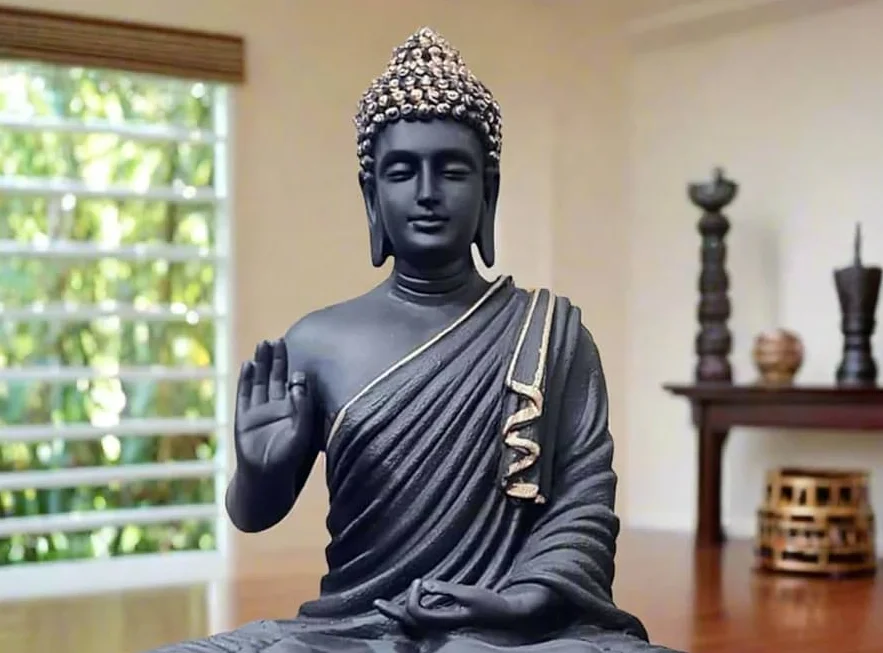
Remembering the Life and Teachings of Gautama Buddha on Buddha Jayanti

Gautam Buddha Jayanti, also known as Buddha Purnima, is one of the most sacred festivals for Buddhists across the world. It commemorates the birth, enlightenment (nirvana), and death (parinirvana) of Siddhartha Gautama, who later became known as Gautama Buddha—the founder of Buddhism. Celebrated on the full moon day in the month of Vaisakha (April–May), the day holds immense spiritual importance for millions who follow his teachings of peace, compassion, and wisdom.
The Life of Siddhartha Gautama
Siddhartha Gautama was born around 563 BCE in Lumbini, which is now located in modern-day Nepal. He was born into a royal family and lived a sheltered life of luxury, away from the suffering of the outside world. According to legend, a prophecy at his birth predicted that he would either become a great king or a spiritual leader. His father, the king, wanted him to take over the throne and therefore kept him away from anything that might lead him toward spirituality.
However, Siddhartha’s life changed forever when he encountered what are known as the “Four Sights”—an old man, a sick man, a dead body, and an ascetic. These sights opened his eyes to the suffering inherent in human life. Deeply moved, he decided to renounce his royal life and embark on a journey to seek the truth about existence and liberation from suffering.
At the age of 29, he left his palace, wife, and young son behind in search of enlightenment. He studied under several teachers, practiced extreme asceticism, and meditated for years. Finally, under the Bodhi tree in Bodh Gaya, he attained enlightenment at the age of 35. From then on, he was known as “The Buddha,” meaning “The Enlightened One.”
Enlightenment and Teachings
After attaining enlightenment, Gautama Buddha began teaching others the path to liberation. His first sermon was delivered at Sarnath, near Varanasi, to his five former companions. This sermon is known as the Dhammacakkappavattana Sutta or “Turning the Wheel of Dharma.” In this teaching, he laid out the foundation of Buddhism—the Four Noble Truths and the Eightfold Path.
The Four Noble Truths are:
- Dukkha – Life is full of suffering.
- Samudaya – There is a cause of suffering, which is craving and attachment.
- Nirodha – There is an end to suffering.
- Magga – The path to end suffering is the Eightfold Path.
The Eightfold Path includes:
- Right Understanding
- Right Thought
- Right Speech
- Right Action
- Right Livelihood
- Right Effort
- Right Mindfulness
- Right Concentration
These principles form the core of Buddhist practice and aim to lead followers toward wisdom, ethical conduct, and mental discipline. Buddha’s teachings emphasized non-violence, compassion, mindfulness, and the importance of inner peace.
The Significance of Buddha Jayanti
What makes Gautam Buddha Jayanti unique is that it marks three major events in the Buddha’s life—his birth, enlightenment, and death—all of which are believed to have occurred on the same day of the year. This triple significance makes the festival spiritually powerful and deeply reflective.
On this day, devotees remember not only the Buddha’s historical life but also the timeless relevance of his teachings. Temples and monasteries are decorated with flowers and lights. Prayers, chanting of Buddhist scriptures, and meditation sessions are held throughout the day. Many people observe the Eight Precepts more strictly, perform acts of charity, and offer food to monks.
Pilgrims visit sacred sites such as Lumbini (his birthplace), Bodh Gaya (place of enlightenment), Sarnath (site of first sermon), and Kushinagar (place of his passing). These sites become vibrant centers of devotion and reflection on Buddha Jayanti.
Global Observance
Although Buddhism originated in India, it has spread far beyond its birthplace to countries like Sri Lanka, Thailand, Myanmar, China, Japan, Nepal, Bhutan, Cambodia, and many others. In each of these countries, Buddha Jayanti is celebrated with local customs and unique traditions.
In Nepal, which is the Buddha’s birthplace, the festival is observed as a national holiday with processions, lamp-lighting ceremonies, and cultural performances. In Sri Lanka, devotees observe “Vesak,” another name for Buddha Purnima, by decorating homes with lanterns and engaging in acts of kindness. Thailand and Myanmar mark the occasion with temple visits and special sermons. Even in Western countries, where Buddhism is practiced by growing communities, Buddha Jayanti is celebrated in monasteries and cultural centers with teachings, meditation, and communal meals.
The Relevance of Buddha’s Message Today
In today’s world, marked by conflict, stress, and inequality, the teachings of Gautama Buddha are more relevant than ever. His path offers a way out of suffering through compassion, mindfulness, and self-awareness. His emphasis on non-violence and respect for all living beings resonates deeply in our time of environmental crisis and social unrest.
Buddha’s message that inner peace leads to outer harmony encourages individuals to look inward for transformation rather than blaming the world for their troubles. His life serves as a reminder that anyone, regardless of their background, can attain wisdom and peace through sincere effort and understanding.
Celebrating Through Action
On Buddha Jayanti, many people choose to go beyond rituals and practice what the Buddha preached—compassion in action. Acts of charity, feeding the poor, releasing animals as a symbol of freedom, and volunteering are common ways in which followers honor the day. Some people give up meat and alcohol as a mark of respect, while others spend the day in silence or spiritual study.
Children are often told stories from Buddha’s life, teaching them values of kindness, humility, and non-harming. Educational institutions and spiritual centers hold talks, debates, and essay competitions on Buddhist philosophy to engage the younger generation.
Conclusion
Gautam Buddha Jayanti is not just a religious festival—it is a day of profound reflection on a life that changed the course of human history. Gautama Buddha’s journey from a prince to an enlightened teacher continues to inspire millions around the world. His message of the Middle Path—avoiding both extreme luxury and extreme asceticism—offers a balanced way of living that encourages awareness, compassion, and inner growth.
As we celebrate Buddha Jayanti, we are reminded of the power of self-realization and the timeless relevance of peace, truth, and wisdom. In remembering the Buddha, we also renew our own commitment to living more mindfully, kindly, and wisely.
Team Maverick.








Team Special Olympics Bharat Accorded Grand Send-Off Ahead of Special Olympics Unified Football World Cup 2026
Faridabad July 2026 : Team Special Olympics Bharat was accorded a warm send-off at Manav R…

Team Special Olympics Bharat Accorded Grand Send-Off Ahead of Special Olympics Unified Football World Cup 2026
Faridabad July 2026 : Team Special Olympics Bharat was accorded a warm send-off at …