Nepal Plunges into Political Turmoil as Prime Minister Oli Resigns Amid Gen-Z-Led Uprising

- Prime Minister KP Sharma Oli resigns after violent youth-led protests engulf Kathmandu and other regions.
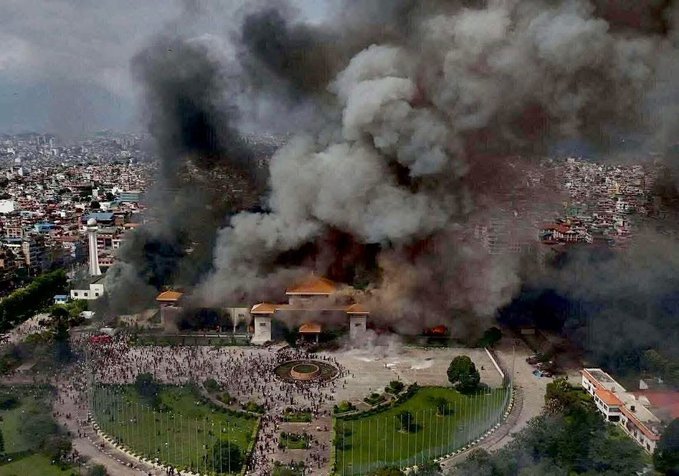
- Protesters storm and burn Nepal’s Parliament, Singh Durbar, and several ministers’ residences.
- Multiple cabinet ministers and provincial leaders resign; at least 20 people killed in clashes.
- Calls grow for an interim government as the ruling coalition fractures.
Kathmandu, Sept 2025 : Nepal is in the grip of its most severe political crisis in years as Prime Minister KP Sharma Oli resigned on Tuesday, bowing to relentless street protests and a wave of resignations within his government. The demonstrations—driven largely by Gen-Z activists angered by corruption, misgovernance, and restrictions on social media—have escalated into a nationwide uprising marked by violence, arson, and the storming of Parliament.
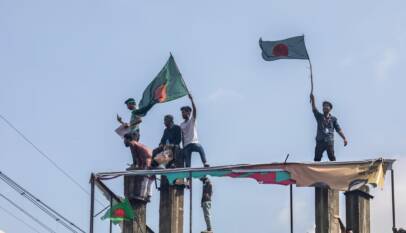
The protests, which began peacefully, spiraled out of control after police opened fire on demonstrators in Kathmandu on Monday, killing at least 19 people. By Tuesday, tens of thousands of protesters had seized control of the Parliament building at Baneshwor, setting fire to both chambers and defacing government offices. Images of the torched Singh Durbar, the main administrative hub of Nepal’s government, spread rapidly on social media, further fueling outrage.
Oli’s Resignation: “Ego Turned to Ashes”
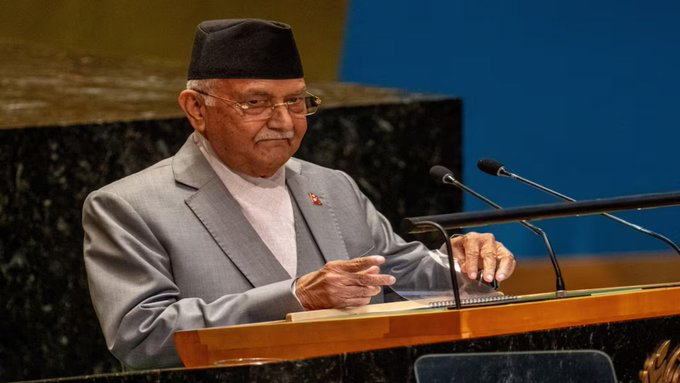
Submitting his resignation to President Ram Chandra Poudel, Oli said he was stepping down under Article 77 (1) of the Constitution “to pave the way for a constitutional resolution of the current situation.” His departure, however, did little to calm tensions.
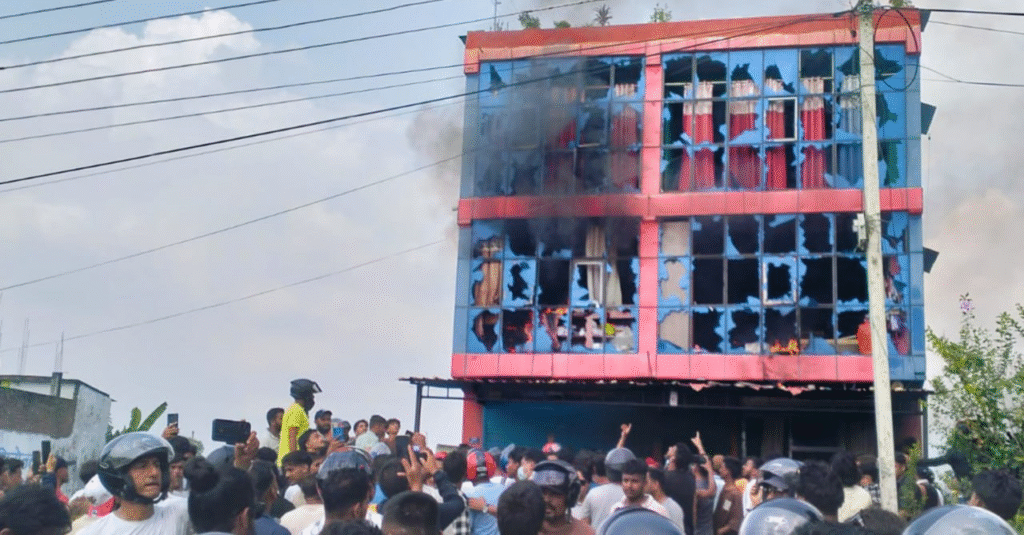
On the streets of Kathmandu, protesters celebrated but remained defiant. Many accused Oli of presiding over a corrupt, detached, and authoritarian government.
“This was inevitable,” said one protester. “Oli’s government was corrupt and out of touch. His ego has now turned to ashes.”
Another demonstrator declared: “We burned the Parliament because it betrayed us. If needed, we will burn every house of corrupt leaders.”
The slogan “Murderer Government” trended widely on social media as youth vowed to keep mobilizing until systemic change was achieved.

Chain of Resignations Deepens Crisis
Oli’s resignation follows a cascade of departures from his cabinet and provincial leadership. By Tuesday evening, at least five ministers, including Home Minister Ramesh Lekhak, Agriculture Minister Ram Nath Adhikari, Health Minister Pradip Poudel, and Sports Minister Teju Lal Chaudhary, had quit, expressing regret over the state’s use of force.
Beyond Kathmandu, the crisis has spread to the provinces. Madhes Pradesh Chief Minister Satish Singh resigned after protesters surrounded his office. Reports indicate that administrative buildings in Lumbini, Gandaki, and Far West Pradesh have also fallen into protesters’ hands.
The homes of several ministers were vandalized or burned. Viral videos showed flames engulfing Oli’s own residence in Bhaktapur, symbolizing the collapse of authority.
A Collapsing Coalition
The political establishment appears to be unraveling at speed. More than 42 cabinet members have reportedly resigned, while the Rastriya Swatantra Party, Nepal’s fourth-largest, quit Parliament en masse, demanding an interim government.
Leaders within the ruling Nepali Congress, including General Secretaries Gagan Thapa and Bishwo Prakash Sharma, openly called for Oli to step aside, declaring that the coalition’s founding seven-point agreement was now void.
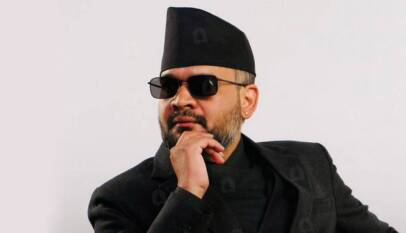
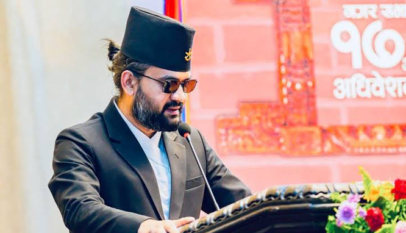
The instability has fueled speculation that Kathmandu Mayor Balen Shah, popular with younger Nepalis, may emerge as interim Prime Minister.
Violence and Defiance Across Nepal
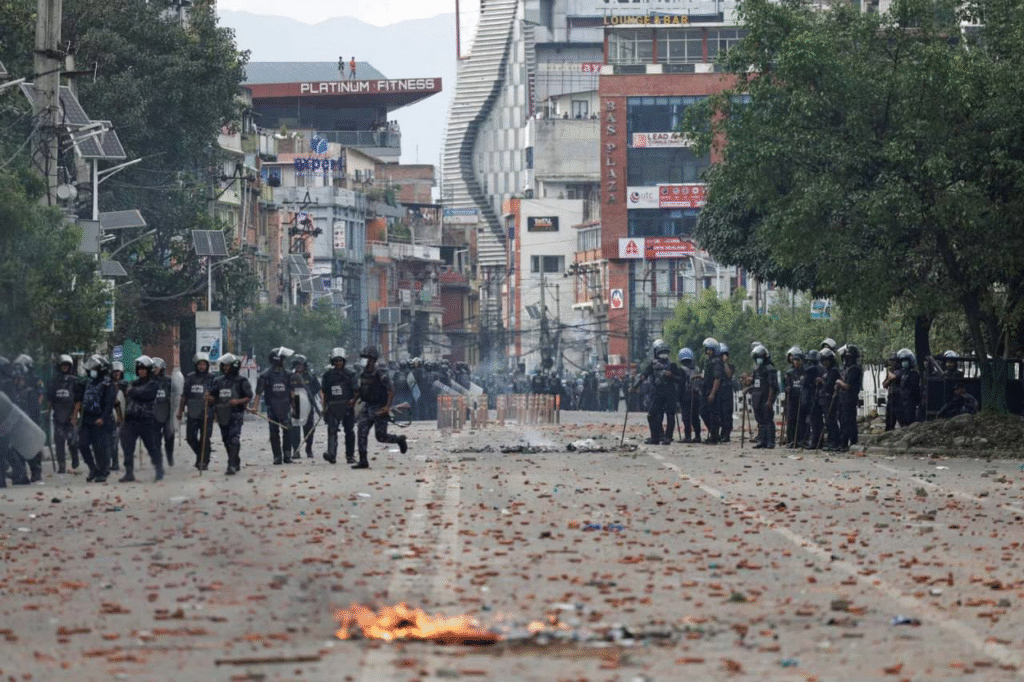
Tuesday saw further eruptions of violence across the Kathmandu Valley and beyond despite the imposition of a curfew. Protesters blocked roads, hurled stones, and clashed with police. In Lalitpur and Bhaktapur, local administrations also enforced emergency orders banning gatherings, but enforcement proved difficult.
Authorities confirmed that at least 20 people have died since Monday, most from police firing. The use of live ammunition and rubber bullets has been widely condemned, including by foreign embassies.
In a rare joint statement, the embassies of the United States, United Kingdom, France, Japan, South Korea, Norway, Finland, Germany, and Australia urged all sides to show restraint and safeguard democratic rights.
“Gen Z Is Awake 24/7”
The uprising has been characterized as Nepal’s first true youth-led revolution. Students in school and college uniforms have filled the streets, armed with smartphones and livestreaming events in real time.
“Gen Z is awake 24/7,” said one demonstrator. “The next government will be under our control. This is just the beginning.”
Many young Nepalis view the protests not only as a response to the social media ban and state violence but as a broader rejection of entrenched corruption, nepotism, and broken promises by successive governments.
Fears of Military Intervention
With political authority crumbling, speculation has mounted that Nepal’s army may intervene to restore order. Some residents fear the country could slip into authoritarianism if civilian leadership fails to regain control.
“There is no law and order left,” said one Kathmandu resident. “I fear the military may soon take over.”
The Road Ahead: Uncertain and Fragile
As Oli’s resignation reverberates across the nation, Nepal faces an uncertain future. The constitutional process for selecting a new Prime Minister is already in motion, but with multiple parties fractured, consensus may prove elusive.
Meanwhile, protesters have vowed to continue until their demands—greater accountability, justice for those killed, and systemic reforms—are addressed.
Political observers warn that unless the crisis is managed carefully, the unrest could destabilize Nepal’s fragile democratic order.
For now, the images of a burning Parliament and defiant young protesters define a moment that many believe has changed the course of Nepal’s history.
Team Maverick.

Israel Rejects Gaza Disarmament Plan, Says IDF Will Stay Until Hamas Fully Disarmed
Jerusalem, July 2026 : Israel has reiterated its strong opposition to the US-backed plan f…
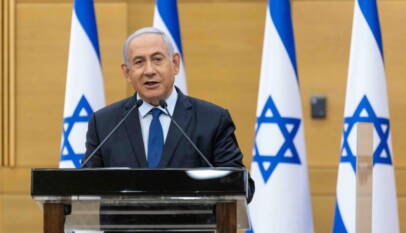
Israel Rejects Gaza Disarmament Plan, Says IDF Will Stay Until Hamas Fully Disarmed
Jerusalem, July 2026 : Israel has reiterated its strong opposition to the US-backed plan …