Iran Allows India-Flagged Tankers Through Strait of Hormuz After Jaishankar–Araghchi Talks

New Delhi / Tehran, March 2026 : Iran has permitted India-flagged oil tankers to pass safely through the strategically vital Strait of Hormuz following diplomatic discussions between S. Jaishankar, India’s External Affairs Minister, and Iranian Foreign Minister Abbas Araghchi. The move aims to ensure that the crucial maritime corridor remains open for the transportation of crude oil and natural gas to India despite rising tensions in the region.
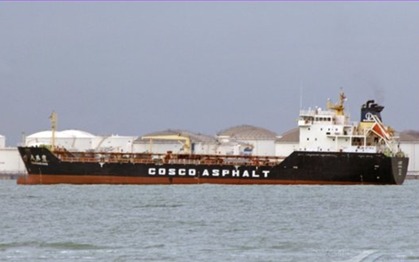
According to sources familiar with the development, India-flagged tankers Pushpak and Parimal have been able to pass through the narrow waterway without disruption. Their passage comes at a time when vessels associated with the United States, several Europe-based operators, and Israel continue to face restrictions in the sensitive maritime corridor.
The issue of safe navigation through the Strait of Hormuz figured prominently during a conversation between Jaishankar and Araghchi late on Tuesday. During the call, the two leaders discussed the evolving geopolitical situation in West Asia, including maritime security and the movement of energy shipments through the strait. Officials said this was the third discussion between the two ministers since hostilities involving Iran escalated in the region.
In a related development, another tanker carrying Saudi crude oil has successfully crossed the Strait of Hormuz and arrived in India. The Liberian-flagged tanker Shenlong Suezmax, captained by an Indian national, has safely berthed at Mumbai Port.
The vessel is believed to be the first India-bound tanker to complete the journey through the Strait of Hormuz since maritime traffic slowed sharply following attacks on Iran by the United States and Israel earlier this month.
Shipping data indicates that the tanker loaded crude oil at Ras Tanura Port in Saudi Arabia on March 1 before departing two days later. According to maritime tracking services such as Lloyd’s List Intelligence and TankerTrackers, the ship’s last recorded position before reaching Indian waters placed it inside the Strait of Hormuz on March 8.
The successful passage of the vessel has provided some relief to Indian energy planners, who had been concerned about possible disruptions to oil supplies. India depends heavily on crude oil imports that pass through the Strait of Hormuz, one of the world’s most important energy shipping lanes.
More than half of India’s crude oil and liquefied natural gas imports travel through the narrow waterway connecting the Persian Gulf with the Arabian Sea, making the route critical for the country’s energy security.
Despite the safe transit of several vessels, many Indian ships remain in or around the region as tensions persist. According to the Directorate General of Shipping, at least 28 India-flagged vessels have been operating in or near the Strait of Hormuz since hostilities began.
Officials said eight Indian-flagged ships that were positioned east of the strait when the conflict erupted have since moved to relatively safer waters.
A situation report issued by the Directorate General of Shipping stated that seven vessels — Desh Mahima, Desh Abhiman, Swarna Kamal, Vishva Prerna, Jag Viraat, Jag Lokesh, and LNGC Aseem — have moved out of the high-risk zone and entered the Arabian Sea in recent days. Another ship, Jag Lakshya, has continued its voyage towards Angola.
Meanwhile, security concerns in the region remain high amid continuing geopolitical tensions.
On March 11, a cargo vessel flying the flag of Thailand reportedly came under attack near the Strait of Hormuz shortly after leaving Khalifa Port in the United Arab Emirates, according to the Royal Thai Navy.
The vessel, identified as Mayuree Naree, was travelling from the UAE to Kandla Port in Gujarat when the incident occurred while it was passing through the Strait of Hormuz.
Authorities in several countries are closely monitoring the evolving situation in the region, as the Strait of Hormuz remains one of the most strategically important energy corridors in the world. Any disruption to shipping through the waterway cou
(The content of this article is sourced from a news agency and has not been edited by the Mavericknews30 team.)





Trump Vows Continued Military Pressure on Iran, Expresses Doubts Over Diplomacy
Washington, Aug 2026: US President Donald Trump has vowed to maintain military pressure on…
Trump Vows Continued Military Pressure on Iran, Expresses Doubts Over Diplomacy
Washington, Aug 2026: US President Donald Trump has vowed to maintain military pressure on …