Indian Classical Dance Forms

By Mira Pawar.
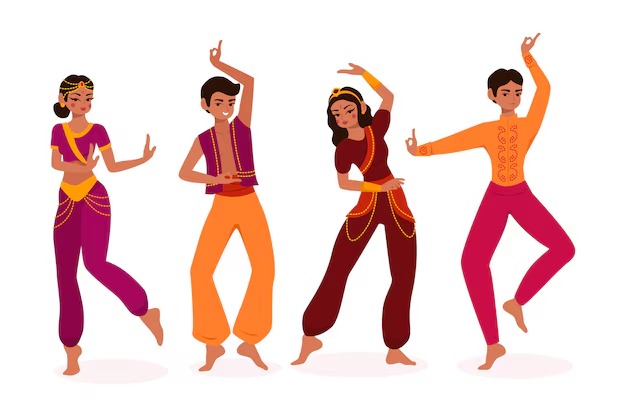
As we welcome the new year, many will be celebrating with vibrant music and dancing – be it hip hop, salsa, ballet, ballroom, contemporary, breakdance, tap dancing or jazz funk. While these styles are undoubtedly fun, let’s not overlook the rich variety of our Indian classical dance forms, which truly stand out in their artistry and expression. Here are some significant Indian classical dance forms. The most important characteristic of Indian classical dance form is the expression and these expressions are obtained from nature. Indian classical dance forms like Bharatanatyam, Odissi, Kathakali, Kuchipudi, Kathak, Manipuri, Mohiniyattam and Sattriya reflect some form of nature in the dance. In a larger sense, all Indian classical dances depict five elements of nature namely air, earth, fire, water and sky.

Bharatnatyam form which represents fire displays sharp and swift movements like flame. Bharatnatyam’s abhinay is also quite renowned for narrating themes of nature through extensive use of hasta mudras (hand actions or movements) From the Simhamukh mudra depicting a lion, or sometimes a deer and Ardhachandra is used to show the moon— these mudras require expressive storytelling skills for a solo dancer to portray an entire story of nature singlehanded.

Odissi form represents water. The movements explain the element very clearly. This form seems sensual and graceful like the river flowing. Odissi, widely considered the oldest dance of India, is based on emulating the sculptures and the forms in the ancient temples of Odisha. The dance form also constitutes a heavy connection to the Earth itself with grounded movements such as chowka. Numerous ‘pallavis’, or pure nritta compositions set to raagas. It mostly depicts themes such as rain, peacocks dancing, the composition of trees and forests, the gait of animals etc.

Kathakali represents the sky. It literally means storytelling and is an amalgamation of dance, drama and music. Katha means story and kali means performance or play. The essence of this form is Mahabharat and Ramayan where victory of good over evil is depicted. Kathakali performance always happens in open environment under the sky. It highlights the importance of sky element in the body. This form is also considered as the ballot of the East.
Kuchipudi form of dance represents earth. This classical dance form originated from a village named Kuchipudi in Andhra Pradesh. It is known for its graceful movements and expressive gestures. The dance is accompanied by live music played on instruments like mridangam and veena. Both male and female perform kuchipudi. This dance form has been influenced by other Indian classical dance styles.

Kathak: This form originated from Uttar Pradesh. The name derives from the work katha meaning story. During the entire dance, the dancers narrate stories through their eyes and expression. It also involves intrinsic footwork and hand gestures The hast (hand) mudras are influenced by the wonders of nature around us. Different mudras are used to portray birds flying away, wind blowing and so on. The footwork is mostly inspired by the sounds of nature. Bols include words like jhan – jhan which conveys the sound of a river or water. Kathak dancers wear ghungroo around both their ankles which generate pleasant sounds synonymous with the harmony and synchrony of mother nature. We can see many tukdas or pieces being about different aspects of nature as well for instance, the parmelu which synthesises various sounds of nature like the cuckoo bird and the sound of thunder. The Kathak dance form has very smooth moves transiting from one step to another. The eyes express every emotion. At the same time, it includes extensive and fast footwork. This again symbolises nature as it has two sides, the caring side and the destructive side.

Mohiniyattam represents air. It expresses the gusty wind and is a dance form from Kerala. This dance form is performed by women in honour of Lord Vishnu in his incarnation as the enchantress Mohini, and therefore this dance is also called dance of the enchantress. According to Hindu mythology, Vishnu took the form of Mohini to distract the demon Bhasmasur while the Gods took the elixir of immortality from churning of the celestial ocean, and thus saved the universe from destruction.
Manipuri – This dance originated from the north-eastern state of Manipur and can be traced back to ancient times. It is associated with devotion and prayer. There are legendary references of Shiva and Parvathi and other Gods and Goddesses in this dance. The theme of this dance is based on Vaishnavism and Raas Lila based on love between Radha and Krishn. The movement in Manipuri dance is called bhramaris. They are of two different categories – uplai and the longlai. These lais are ways of covering floor space usually in sideways movement followed by a semi-circle. This form helps the dancers achieve grace and control over their bodies and peaceful state of mind.
Sattriya – is the dance form originated in the monasteries of Assam by the great Vaishnava saint and dates back to the 15th century AD. This dance was known by many names like Nadu bhangi, jhumura naach, chali nach, behar nach, sutradhari, gosain pravesh. Gopi pravesh, ojapali nach.
The costumes and jewellery of all these dances, contribute extensively to the perception of the performance, as much as the dance. Earth colours of green, orange and brown is often seen in Odissi costumes. The white gajras (garland of mogra flowers) is present in almost every dance form, the red alta (red colour used to tint the hands and feet during festivals and religious ceremonies) represents the fertile soil and therefore purity and fertility. The entire process of a dancer preparing for the performance is intimately intertwined with patterns seen in nature as well.
Kathak, which literally means storytelling, is an amalgamation of dance, drama and music. This mesmerizing Indian classical dance takes a lot of inspiration from nature to portray stories and epics. The various “hast mudras”, or hand gestures have been influenced by the wonders of nature around us. For example, the “Mrigashirsha” portrays a deer, and the “Mayura” portrays a peacock. Different mudras are used to portray birds flying away, wind blowing and so on. Additionally, the footwork is often inspired by the sounds of nature. “Bols” include words like “jhan-jhan”, which conveys the sound of a river or water. Kathak dancers wear “ghungroo” around both their legs, which generate pleasant sounds synonymous with the harmony and synchrony of Mother Nature. One can also see many “tukdas” or pieces being about different aspects of nature as well—for instance, the ‘parmelu’, which synthesises various sounds of nature like the cuckoo bird and the sound of thunder.Kathak is a dance form with very smooth moves, where steps segue from one to another, and the eyes express every emotion. At the same time, it includes extensive and fast footwork. This in itself symbolizes nature as nature has two sides: the caring side, and the destructive one.
Odissi, widely considered the oldest dance of India, is based on emulating the sculptures and the forms in the ancient temples of Odisha. The dance form also constitutes a heavy connection to the ground and the Earth itself, with grounded movements such as chowka. Numerous ‘pallavis’, or pure nritta compositions set to raagas, depict themes such as rain, peacocks dancing, the composition of trees and forests, the gait of animals, and likewise, which are enmeshed with ancient legends in classical dance.
Taking a broader view, the Indian classical dances collectively are sometimes also believed to be a representation of the five elements of nature when regarded together. Kuchipudi and Odissi are believed to be Earth and Water respectively, with Mohiniyattam being Air, Bharatnatyam being Fire, and Kathakali the Sky. The movements themselves give a nod to these representations— with Odissi’s sensual and graceful nature like the rippling of rivers, Bharatnatyam’s sharp and swift extended movements like those of flames, and Mohiniyattam’s feminine and agile nature reminding the viewer of gusts of wind.




Norwegian Woman Embraces Horse Like Lifestyle Out Of Deep Love For The Animal.
June 2026: Norwegian woman Ayla Kirstine has an unusual equine skill — running and jumping…
Norwegian Woman Embraces Horse Like Lifestyle Out Of Deep Love For The Animal.
June 2026: Norwegian woman Ayla Kirstine has an unusual equine skill — running and …